Introduction
Marketing does not need to be complicated or expensive for micro and small businesses in India. There are many free tools available today, such as WhatsApp Business, that can position a local shop as an online brand that thrives. This case shares the story of a small clothing brand from Jaipur that utilized WhatsApp Catalogs to extend its customer base, generate repeat sales, and expand its trustworthiness – all on a budget.
This case demonstrates how small business owners are already utilizing digital tools like WhatsApp, Google My Business, and LocalShouts (https://www.localshouts.com) to create a professional digital presence and connect directly to customers while scaling their business sustainably.
The Beginning: A Boutique with a Local Reputation
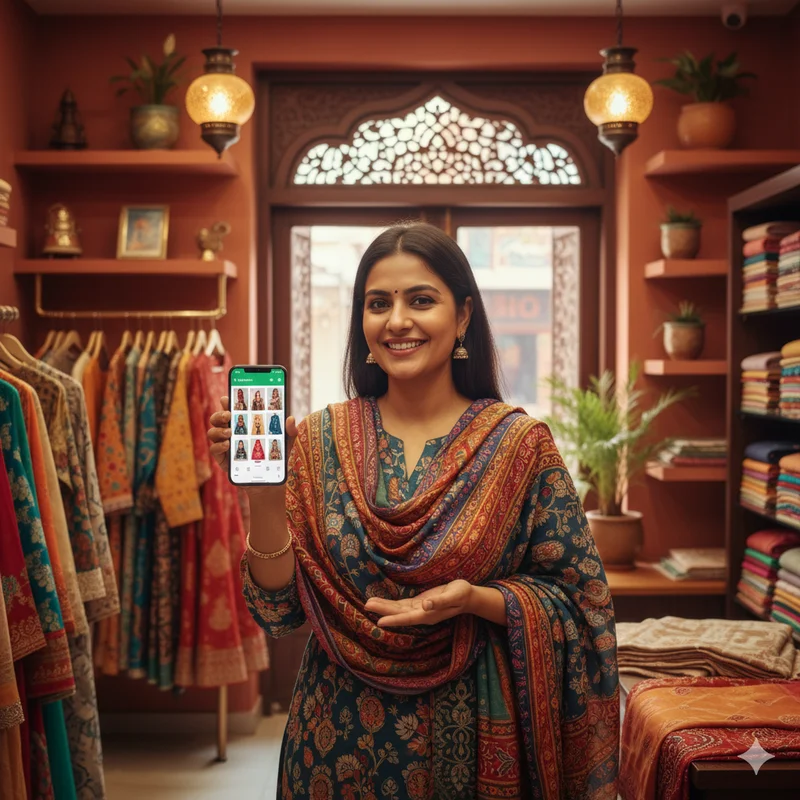
"Rivaaz Couture," a women's clothing boutique in Jaipur, is a family-owned small business that started in 2018. The store features styles of handcrafted ethnic clothing, designed by artisans and tailors that are local to the community. Customers love Rivaaz Couture's unique collection, but sales were limited to walk-in customers and word of mouth. The brand owner, Nisha, wanted to expand her reach but did not have a substantial budget for marketing. Nisha used Instagram and Facebook, but organic reach was very low and posting daily on social media took important time from her business. She found that WhatsApp Business Catalogs would allow her to showcase her products in a free and direct way, as well as reach and connect with buyers immediately.
Why WhatsApp Catalogs?
In India, WhatsApp is not just a messaging app—it’s a marketplace. With over 500 million Indian users, it’s where customers chat, share recommendations, and make purchase decisions. For small clothing brands, WhatsApp offers several key advantages:
- Direct connection with buyers – You can answer queries and share product photos instantly.
- No extra app or website needed – Customers already use WhatsApp daily.
- Free product catalog – You can upload your product images, prices, and descriptions.
- Built-in trust – Customers feel safer buying from verified WhatsApp Business accounts.
For a boutique like Rivaaz Couture, this was the perfect entry point into e-commerce.
Step 1: Setting Up a Professional WhatsApp Business Profile
Nisha started by downloading WhatsApp Business and creating a complete business profile. She added:
- Business name, category, and logo
- Address and Google Maps link
- Store timings and contact number
- Short “About” message: “Handcrafted ethnic wear made with love in Jaipur.”
She also linked her Google My Business page to make her store easier to find. With help from LocalShouts (https://www.localshouts.com), she got listed on local directories, which improved her online visibility.
Step 2: Creating Attractive Catalogs
Instead of sending product photos one by one, Nisha created neatly organized WhatsApp Catalogs. Each catalog included:
- High-quality product photos (shot with natural light)
- Product name and description
- Price and available sizes
- A short style tip or fabric detail
Example:
Product Name: Gota Patti Kurti Set
Description: Handcrafted cotton kurti with gota detailing. Ideal for festive wear.
Price: ₹1,499
Each product looked professional, and customers could browse the collection like an online store—without leaving WhatsApp.
Step 3: Sharing the Catalog
Once the catalog was ready, Nisha shared it everywhere:
- On Instagram bio and stories, linking her WhatsApp number
- In local women’s groups on Facebook and WhatsApp
- Through QR codes printed on shopping bags and receipts
- On Google My Business posts
Every click led to her WhatsApp chat. This meant potential buyers could directly message her, ask questions, and place orders—all in one place.
Step 4: Using Broadcast Lists and Labels
To stay organized, Nisha created labels in WhatsApp Business for:
- New customers
- Regular buyers
- Pending payments
- Ready-to-ship orders
She also used broadcast lists to send updates like:
“A new festive collection just arrived! Check our latest designs here 👉 [Catalog Link]”
Unlike groups, broadcast lists keep customer privacy intact and allow personalized messaging. This helped her stay connected without being spammy.
Step 5: Turning Conversations into Sales
One of WhatsApp's most famous features is its ability to foster relationships. Whenever a customer inquired about a design, Nisha took the time to respond personally by sending a picture, providing a brief explanation of the fabric, and including suggestions for complimentary accessories.
She frequently shared video snippets from her tailor's shop, which gave customers an inside look at how the clothing was made. This sharing created an emotional connection and established trust.
When a customer made a purchase, she followed up with the customer the following week and asked, "Did you like the outfit? We would love a picture or some feedback 😊."
Many happy customers shared photos of themselves wearing Rivaaz Couture's clothing, which she later used (with their permission) in her catalog and on her social media.
Step 6: Marrying Local Visibility with Online Discovery
As her business grew, Nisha registered her boutique on LocalShouts (https://www.localshouts.com). LocalShouts helped her build a presence in her community and allowed local customers to discover her business by searching for "ethnic wear in Jaipur."
LocalShouts allowed her to show verifiable business information, product images, and reviews from customers, all in one place. Because LocalShouts integrates with Google Business Listings, Nisha's brand began to appear in local search results, allowing her to reach customers online and in her community.
Adding LocalShouts to WhatsApp Catalogs gave Nisha a cohesive customer journey from discovery to purchase to loyalty.
Step 7: Managing Orders and Payments
At first, payments were handled via Google Pay and PhonePe. But soon, Nisha added the WhatsApp Pay feature, allowing customers to complete payments within the app.
She also integrated simple order tracking messages like:
- “Your order has been shipped!”
- “Expected delivery: 2 days 😊”
These small touches made her boutique feel professional and trustworthy—just like a big online brand.
Step 8: Encouraging Word-of-Mouth Referrals
Happy customers became her biggest promoters. Nisha encouraged them to share her catalog link with friends and family, offering small discounts or free accessories for referrals.
Every time someone shared her catalog, new customers reached out directly. Within six months, Rivaaz Couture’s customer base grew from 40 to over 400 active buyers—most of whom came through referrals on WhatsApp.
Step 9: Expanding Through WhatsApp Ads and QR Codes
After establishing organic sales, Nisha experimented with Click-to-WhatsApp Ads on Facebook and Instagram.
These ads let users tap a “Message on WhatsApp” button instead of visiting a website. She targeted women in Jaipur aged 18–45 who liked fashion and ethnic wear.
The result? Over 200 new WhatsApp contacts in the first month and a conversion rate of 25%. Her total revenue tripled within a year.
She also placed QR codes linking to her catalog at her physical store, local exhibitions, and even clothing tags. This made it easy for people to browse her designs digitally.
Step 10: Building Long-Term Brand Loyalty
Today, Rivaaz Couture uses WhatsApp not just for selling, but for community building. Regular updates include:
- Sneak peeks of upcoming designs
- Style tips and festive outfit ideas
- Customer appreciation posts
- Limited-time offers for loyal buyers
This personal touch keeps customers engaged. Many now pre-book collections before they even launch!
Key Lessons from Rivaaz Couture’s Success
- Free tools can create a big impact – You don’t need a fancy website to start selling. WhatsApp Catalogs can act as your online store.
- Personal communication builds trust – Direct messages help build relationships that social media alone can’t.
- Consistency matters – Regular catalog updates and timely responses show professionalism.
- Use local discovery platforms – Registering on LocalShouts (https://www.localshouts.com) helps increase visibility in your area.
- Encourage UGC and referrals – Happy customers can help you grow faster than paid ads.
The Results
Within one year of using WhatsApp Catalogs:
- Monthly revenue increased by 3x
- Repeat purchase rate rose by 40%
- Customer base expanded to multiple cities
- 60% of new customers came through referrals
- 90% of communication happened directly via WhatsApp
Rivaaz Couture went from being a local boutique to an online brand recognized across India—all powered by smart, simple digital tools.
How You Can Do It Too
If you’re a small clothing brand or boutique owner, here’s how you can replicate Rivaaz Couture’s success:
- Download WhatsApp Business and set up your complete profile.
- Upload your products in catalogs with clear photos and descriptions.
- Share your catalog link across social media, flyers, and Google My Business.
- Encourage feedback and ask happy customers to share your catalog.
- List your business on LocalShouts (https://www.localshouts.com) to boost local discovery.
- Stay active and responsive—your customers will notice the care you put in.
You don’t need expensive marketing to grow. You just need the right tools and consistent effort.
Conclusion
The story of Rivaaz Couture proves that digital growth is possible for every small business in India—even without large budgets or technical expertise. Tools like WhatsApp Catalogs and LocalShouts (https://www.localshouts.com) make it easy for local entrepreneurs to turn conversations into customers and visibility into sales.
If you’re a clothing brand, boutique, or artisan store, start where you are. Build your digital presence one step at a time. The world of e-commerce is no longer just for big players—it’s open to every passionate business owner ready to connect, serve, and grow.
FAQs
1. What is a WhatsApp Catalog and how does it work?
A WhatsApp Catalog lets businesses showcase their products with images, descriptions, and prices directly within the app. Customers can browse and message the seller for purchases instantly.
2. Do I need a website to use WhatsApp Catalogs?
No. You can start selling using WhatsApp Business without a website. However, platforms like LocalShouts (https://www.localshouts.com) can help improve your online visibility.
3. Is WhatsApp Business free for small business owners?
Yes. WhatsApp Business is completely free to download and use, though advanced API features are available for larger businesses.
4. Can I receive payments through WhatsApp?
Yes. WhatsApp Pay allows you to send and receive payments directly through the chat interface in supported regions of India.
5. How can I promote my WhatsApp Catalog online?
Share your catalog link on social media, QR codes, LocalShouts listings, and business cards. You can also run “Click-to-WhatsApp” ads on Facebook and Instagram.
6. How can LocalShouts help my business grow?
LocalShouts (https://www.localshouts.com) helps your business appear in local searches, showcase verified reviews, and connect with nearby customers—making it easier for people to discover and trust your brand.