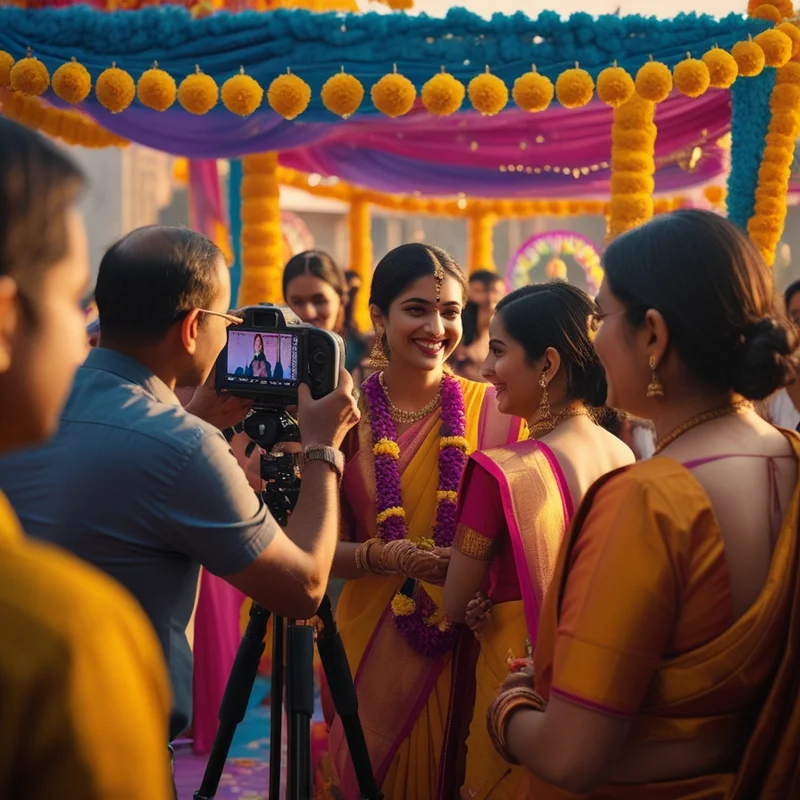
For small and micro businesses in India, local events—whether it’s a product launch, charity drive, workshop, or cultural celebration—can be a powerful way to engage with the community. But hosting a great event is only half the story; getting media coverage is what turns a local effort into a public success.
The challenge? Local media often have limited space and many stories competing for attention. The good news is that with the right strategy, even small events can grab the spotlight.
In this article, we’ll explore practical ways to attract journalists, bloggers, and local influencers to your event. You’ll also learn how LocalShouts (https://www.localshouts.com) can help you promote your event, reach local audiences, and boost your visibility both before and after it happens.
Why Media Coverage Matters for Small Events
Getting featured in the media is not just about publicity—it’s about credibility. A news mention or feature story gives your event a sense of importance that ads can’t buy.
For small businesses, local media coverage brings several benefits:
- Trust and legitimacy: People trust events covered by recognized publications or local reporters.
- Free promotion: You reach audiences without spending on ads.
- Networking opportunities: Journalists and influencers can become long-term supporters of your initiatives.
- Increased attendance: More visibility leads to more footfall and engagement.
Even a short mention in a local newspaper or a shoutout from a neighborhood blog can make your event stand out. Platforms like LocalShouts (https://www.localshouts.com) can amplify that effect by giving your event a digital presence.
Step 1: Find Your Newsworthy Angle
Journalists look for stories, not just announcements. So before you pitch, ask yourself, "What makes this event special?"
Here are some ways to make your event newsworthy:
- Community impact: Is your event helping a cause or local issue?
- Local connection: Does it celebrate something unique about your neighborhood or city?
- Human interest: Are there inspiring people or stories involved?
- Innovation: Are you launching a new product, service, or approach?
- Partnerships: Are you collaborating with local schools, artists, or nonprofits?
For instance, a bakery hosting a “Zero-Waste Baking Workshop” isn’t just holding a class — it’s promoting sustainability. That’s the story journalists want to tell.
Your event doesn’t need to be huge to be newsworthy. It just needs a meaningful angle that connects with people’s emotions or local relevance.
Step 2: Create a Professional Press Release
A press release is your event’s official introduction to the media. It should clearly explain what’s happening, when, where, and why it matters.
Here’s what to include:
- Headline: Keep it short and engaging. Example: “Local Bakery Hosts Free Baking Workshop to Reduce Food Waste in Delhi.”
- Lead paragraph: Mention the event date, location, and main purpose.
- Details: Describe who’s organizing it, what attendees can expect, and any notable guests or partners.
- Quotes: Add a quote from the organizer or a community member for a human touch.
- Contact info: Include your name, phone number, email, and social media links.
- Images: Attach one or two high-quality photos or visuals related to the event.
Send your press release at least one week before the event, and follow up politely after two days.
You can also post your press release on LocalShouts (https://www.localshouts.com) to make it easily discoverable by local media, bloggers, and attendees.
Step 3: Build Relationships with Local Journalists
Media relationships are built, not bought. Journalists are more likely to cover your event if they already know and trust you.
Start by:
- Reading local newspapers, blogs, and magazines to identify relevant reporters.
- Following them on social media and engaging with their posts.
- Send personalized emails when pitching your event (avoid generic messages).
- Offering exclusive angles or access.
For example, invite a journalist to meet the event speakers or visit your venue before the event. The personal connection increases the chance of coverage.
If you regularly list your events on LocalShouts, reporters in your area may start recognizing your business as an active contributor to the community—making future coverage easier.
Step 4: Leverage Digital and Social Media
Even if traditional media doesn’t cover your event, you can still generate buzz through digital publicity.
Here’s how:
- Post teasers on Facebook, Instagram, and LinkedIn leading up to the event.
- Use local hashtags like #DelhiEvents, #PuneWorkshops, or #ChennaiCommunity to boost discoverability.
- Tag local media outlets or journalists in your posts.
- Host live sessions before or during the event to show real-time action.
- Encourage attendees to share photos using a custom hashtag.
After the event, share a short recap video or photo album. Platforms like LocalShouts (https://www.localshouts.com) help you do this effectively by giving your event a shareable online listing—a digital home for your event story.
Step 5: Collaborate with Influencers and Community Leaders
Local influencers often have more impact than big celebrities when it comes to community events.
Identify local bloggers, social media personalities, or micro-influencers whose audience matches your target attendees. Offer them:
- A free pass to the event.
- A chance to host or speak at a session.
- Behind-the-scenes access for social media coverage.
For example, if you’re organizing a craft fair in Jaipur, invite a local Instagrammer who showcases handmade Indian art. Their posts can reach thousands of potential visitors.
By promoting your event through LocalShouts, you can easily connect with these influencers, who often look for community events to feature.
Step 6: Partner with Local Nonprofits or Schools
Adding a community-oriented partner makes your event more attractive to both media and audiences.
If you collaborate with a local school, NGO, or environmental group, you add credibility and news value. For example:
- A restaurant could host a fundraiser for a local animal shelter.
- A fitness studio might organize a charity marathon with a nonprofit.
- A retailer could hold an awareness event about eco-friendly products.
Journalists love stories that combine business goals with social impact—and platforms like LocalShouts can help you share those collaborations with a wider audience.
Step 7: Invite Media to the Event
Sometimes, all you need to do is ask.
Send an official media invitation that includes:
- Event name and date
- Venue details and directions
- A short description of what makes it unique
- Contact details for queries
On the event day, prepare a media kit (digital or printed) with your press release, company background, and key visuals. Assign someone from your team to welcome journalists, guide them, and ensure they have good photo opportunities.
Even if only one or two reporters attend, treat them with respect — they might cover your future events as well.
Step 8: Follow Up After the Event
The effort doesn’t stop once the event ends. Send a thank-you email to journalists and influencers who attended, along with photos, quotes, or interesting highlights.
If no one could make it, send a post-event press release with:
- Key moments or outcomes of the event
- Attendance numbers
- Quotes from participants or partners
- High-quality images
Post-event stories often perform well because they include visuals and results. Sharing these updates on LocalShouts (https://www.localshouts.com) helps keep your business in the public eye even after the event is over.
Step 9: Turn Small Coverage into Big Momentum
Even a small feature in a community paper or local blog can have a big impact if you amplify it correctly.
Once you get coverage:
- Share the article link across your social media channels.
- Tag the media outlet and thank them publicly.
- Display clippings or screenshots on your website and LocalShouts listing.
- Include them in future event proposals to show your credibility.
Media coverage builds on itself—once your brand is recognized as “active in the community,” more journalists will come looking for your next story.
Step 10: Stay Consistent and Keep Telling Stories
Media coverage grows over time. The more you engage with your community, the more reasons the media have to feature you.
Keep organizing small, meaningful events, like:
- Free workshops
- Cultural fests
- Social awareness campaigns
- Collaborative drives with local partners
Each event adds to your story as a business that’s truly part of the local community — and that’s the kind of story the media loves to tell.
LocalShouts (https://www.localshouts.com) helps you stay consistent by letting you post and promote every event easily, keeping your business visible year-round.
Conclusion
Getting media coverage for small events is not about having a huge budget—it’s about telling a meaningful story and building relationships. When you focus on community value, creativity, and clear communication, journalists naturally take interest.
By using platforms like LocalShouts (https://www.localshouts.com), you can expand your local reach, share updates with your community, and make it easier for media professionals to find and feature your story.
Every local event you host is a chance to grow your brand’s voice—so don’t wait for big opportunities. Start small, start local, and make your events newsworthy from the heart.
FAQs
1. Why is media coverage important for small businesses?
It helps increase visibility, builds credibility, and attracts new customers without expensive advertising.
2. How can I make my small event newsworthy?
Focus on community impact, human stories, and local partnerships—not just the event details.
3. When should I send a press release?
Ideally one week before your event, and again after the event to share highlights and results.
4. How can LocalShouts help me get media coverage?
LocalShouts (https://www.localshouts.com) lets you post and promote your events online, making it easier for local journalists and audiences to discover and share your story.
5. Should I contact journalists directly or through social media?
Do both—send a professional email and also tag them on social media posts about your event.
6. How do I follow up after an event?
Send thank-you notes, share photos or videos, and publish a recap post. It keeps your brand memorable and professional.