Introduction
In a world defined by digital-first experiences, small boutiques are battling stiff competition from retail giants and large e-commerce sites. Becoming a recognizable brand starts with developing creativity, marketing intelligence, and understanding your audience. This case study will explore how ChicAura, a small boutique located in Bangalore, successfully harnessed the power of influencer marketing and combined it with local digital marketing tools, such as LocalShouts (https://www.localshouts.com), to increase foot traffic, ultimately number of sales, and loyal customers.
Once ChicAura identified the right influencers, developed genuine campaigns, and consistently connected to the audience, ChicAura evolved from a neighborhood boutique to a community recognized fashion brand.
The Beginning: A Boutique With Big Aspirations
ChicAura was founded in 2020 by Sneha Reddy; a fashion lover which was adamant about catering her collection of ethnic and contemporary wear for women. ChicAura curated unique, hand-selected clothing for women but had difficulties with:
- Low visibility beyond the confines of the neighborhood.
- Limited online presence.
- Inconsistent sales during off-peak seasons.
To expand the boutique locally, Sneha now understood that she must utilize digital marketing tools that would engage audiences using digital relationships to reach demographic audiences of fashion-forward women in Bangalore.
Step 1: Understanding the Audience
Before launching any marketing campaign, ChicAura focused on understanding its ideal customer persona:
- Age: 20–35 years
- Interests: Fashion, lifestyle, social media engagement
- Shopping Habits: Enjoy personalized shopping, influenced by peers and social media trends
Knowing her audience helped Sneha choose the right influencers, messaging, and platforms for her campaigns.
Step 2: Choosing the Right Influencers
Instead of targeting big celebrities, ChicAura opted for micro and local influencers:
- 1,000–10,000 followers who had high engagement rates
- Local Bangalore residents, ensuring relevance for footfall
- Shared values aligned with ChicAura’s brand aesthetics
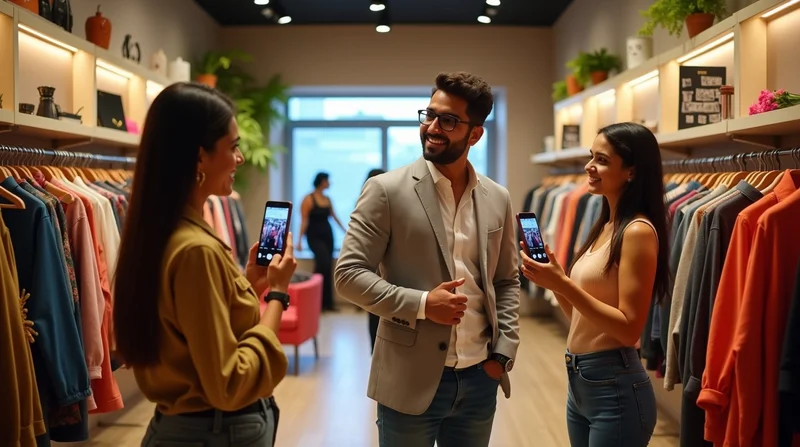
Sneha approached influencers personally, inviting them for boutique visits, fittings, and styling sessions, creating a natural and authentic collaboration rather than a paid promotion only.
Step 3: Planning Campaigns Strategically
ChicAura designed campaigns around specific goals:
- Footfall Increase: Promote in-store events or new collections
- Brand Awareness: Showcase the boutique’s unique designs and style philosophy
- Social Proof: Encourage followers to trust and try the boutique through influencer recommendations
Campaigns included:
- Influencers posting Instagram reels trying on outfits
- Behind-the-scenes videos showing how collections are curated
- Styling tips shared on Instagram Stories and Reels
Each campaign was carefully timed, often aligned with festive seasons, new arrivals, or local fashion events.
Step 4: Leveraging LocalShouts for Local Engagement
In addition to influencer marketing, ChicAura optimized local exposure through LocalShouts (www.localshouts.com).
- Verified listing of the boutique with photos and business information
- Highlighted customer reviews to add credibility
- Share event announcements for collection launches or influencer events
- Messaging tool for inquiries and appointments
LocalShouts was a good compliment to the social media campaigns by driving potential customers who were within a short distance and converting them from online interest to store traffic.
Step 5: Creating Authentic and Engaging Content
At the heart of all of ChicAura’s success was being authentic. Influencers were encouraged to:
- Share honest feedback on the styles
- Post stories of their experience styling the looks themselves
- Take polls with their audience like "Which dress should I wear to a party?"
Ultimately, followers felt for them as individuals, rather than as promotional posts, which resulted in higher trust and engagement.
Step 6: Encouraging User-Generated Content
Sneha was also employing some subtle strategies to turn potential customers into advocates:
- Offering a small incentive to customers to share their outfit on their own Instagram
- Posting their user-posts on the boutique’s official account
- Creating a hashtag, #ChicAuraStyle, to further round up the users’ posts
While it was another way of attracting new customers to ChicAura, it was, equally as important, another way of building some brand enthusiasts and more fans of the boutique beyond the followers of the influencers.
Step 7: Measuring Campaign Effectiveness
To ensure campaigns delivered results, ChicAura tracked key metrics:
- Social Media Analytics: Engagement rates, reach, story interactions, and reel views
- Footfall Tracking: Number of store visits linked to influencer campaigns
- LocalShouts Insights: Leads generated, messages, and review activity
- Sales Tracking: Sales from promoted collections
Data-driven evaluation allowed the boutique to refine future campaigns, focus on high-performing influencers, and invest wisely.
Step 8: Combining Online and Offline Marketing
ChicAura’s strategy seamlessly blended online campaigns with in-store experiences:
- Influencer meet-and-greets at the boutique created photo opportunities and social buzz
- In-store discounts and personalized consultations encouraged immediate purchases
- Exclusive events for followers and customers built community loyalty
This integration ensured that online awareness translated directly into offline conversions.
Step 9: Results Achieved
Within six months of implementing influencer marketing and LocalShouts integration:
- Footfall increased by 80%, especially during weekend events
- Sales for new collections doubled
- Instagram followers grew from 1,200 to 9,500, with high engagement rates
- LocalShouts reviews increased, enhancing credibility for local customers
- Customer retention improved, with repeat visitors citing influencer posts as discovery points
ChicAura had successfully positioned itself as a trusted, fashionable boutique in Bangalore, standing out amidst larger retail chains.
Step 10: Lessons for Small and Micro Businesses
- Identify Your Audience: Understand demographics, interests, and shopping habits.
- Use Local Influencers: Micro-influencers often have higher engagement and more trust among local followers.
- Plan Campaigns Around Goals: Footfall, brand awareness, and social proof can guide content strategy.
- Leverage Local Platforms: LocalShouts (https://www.localshouts.com) increases credibility and converts online interest into physical visits.
- Focus on Authenticity: Real experiences and genuine recommendations outperform generic promotions.
- Track Metrics: Use data to optimize influencer partnerships, social media strategy, and in-store conversions.
Small boutiques can compete effectively with bigger brands by combining creativity, strategic influencer collaborations, and local digital presence.
Conclusion
ChicAura’s journey proves that smart influencer marketing can transform a small boutique into a local success story. By carefully selecting micro-influencers, creating authentic campaigns, and integrating with platforms like LocalShouts (https://www.localshouts.com), small businesses can increase visibility, footfall, and sales without heavy advertising budgets.
For micro-businesses, the key takeaway is clear: combine strategic online marketing with local credibility, and let consistency and authenticity drive growth.
FAQs
1. How can small boutiques choose the right influencers?
Focus on micro or local influencers with high engagement rates and alignment with your brand values.
2. Does influencer marketing work for offline boutiques?
Yes. Online campaigns can drive store visits, sales, and community engagement when paired with local platforms.
3. How does LocalShouts help small boutiques?
It provides verified local visibility, showcases customer reviews, promotes events, and facilitates direct messaging for appointments.
4. Should influencer posts be paid or organic?
A mix of both works best. Micro-influencers often collaborate for free products, experiences, or small fees, making campaigns cost-effective.
5. How to measure the success of influencer marketing?
Track engagement rates, store footfall, LocalShouts inquiries, sales from promoted products, and social media metrics.
6. Can influencer marketing build long-term brand credibility?
Yes. Consistent, authentic collaborations help small businesses establish trust and attract loyal customers.