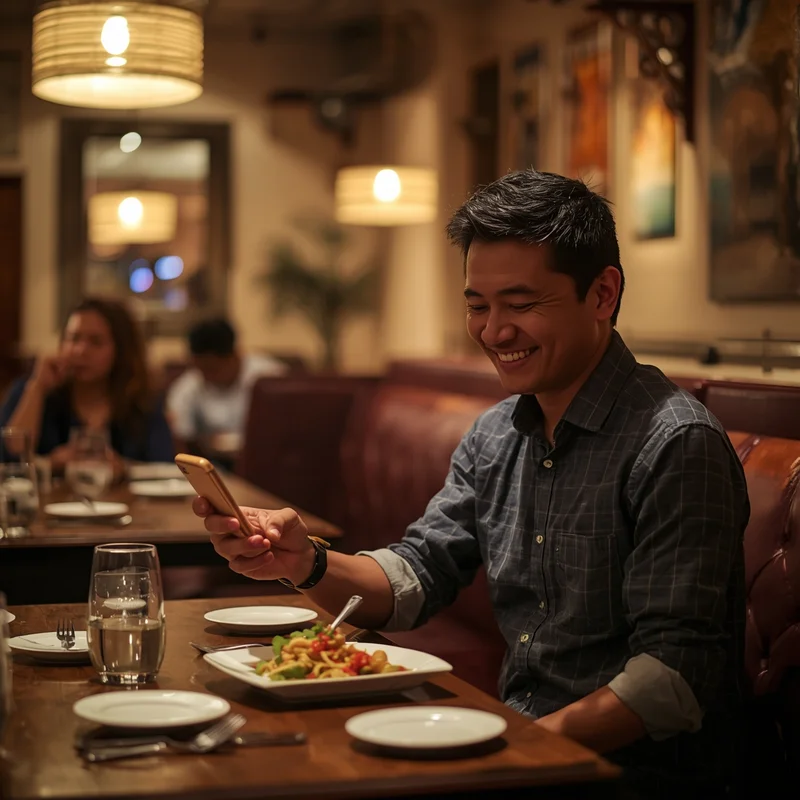
A well-designed website is no longer a luxury—it’s a necessity for every local restaurant or café that wants to attract and retain customers. Today’s diners look online before stepping out. They want to see your menu, location, photos, and reviews, all in one convenient place. Whether you run a cozy café or a busy street-food joint, having a functional and attractive website can make a huge difference in your footfall and revenue.
This article explains the five essential features every local eatery’s website must have to stand out and succeed in today’s digital world. It also explores how platforms like LocalShouts (https://www.localshouts.com) can help small and micro businesses in India showcase their offerings more effectively online.
1. A Clear, Updated Menu
When someone visits your website, the first thing they often look for is your menu. Make sure it’s easy to find, quick to load, and visually appealing. Avoid forcing customers to download PDF files—instead, display your menu directly on the webpage, with high-quality photos and clear pricing.
If your eatery changes dishes seasonally or offers daily specials, keep the menu updated. Nothing frustrates a customer more than visiting a restaurant expecting a dish they saw online, only to find it’s unavailable.
Pro Tip:
Use descriptive dish names and short, appetizing details. For example, instead of “Paneer Curry,” write “Creamy Paneer Curry in Spiced Tomato Gravy.”
A good digital presence platform like LocalShouts (https://www.localshouts.com) can help you list your menu online and make it discoverable to nearby customers searching for local dining options.
2. High-Quality Photos That Tell Your Story
A picture is worth a thousand bites! In the restaurant world, great photos sell food. Include clear, mouth-watering images of your signature dishes, your café interiors, and even happy customers enjoying meals.
You don’t need to hire an expensive professional — even a smartphone can do wonders with the right lighting and angle. The goal is to make visitors crave your food and feel connected to your space.
Photo Tips for Restaurant Owners:
- Use natural light near windows or outdoor areas.
- Capture steaming, freshly plated dishes.
- Include a mix of close-ups (for food) and wide shots (for ambiance).
- Show your team in action — it adds personality!
Your website’s gallery section can become a key attraction, and when paired with platforms like LocalShouts (https://www.localshouts.com), it boosts your online visibility even more.
3. Online Reservation and Contact Options
Make it easy for customers to reach you or book a table. A simple reservation form or “Book Now” button can dramatically increase convenience and help you manage peak hours better.
Include:
- A visible phone number and email address.
- A Google Map link for navigation.
- Social media icons for quick connections.
- WhatsApp integration for quick queries or booking confirmations.
Customers love convenience. When your website allows instant table bookings, they’re far more likely to choose your eatery over competitors who require a phone call.
If you’re just getting started and want an affordable way to be found online, registering your restaurant on LocalShouts (https://www.localshouts.com) is a great step. It helps connect local customers directly to your website or social handles, increasing both reservations and walk-ins.
4. Customer Reviews and Testimonials
Online reviews are the new word-of-mouth. Displaying real customer feedback on your website builds trust and shows transparency.
Highlight your best Google, Instagram, or LocalShouts reviews, especially those praising your food quality, service, or ambiance. A section like “What Our Customers Say” can reassure potential diners that they’ll have a good experience.
Tips for Using Reviews Effectively:
- Keep them authentic — don’t over-filter or make them sound scripted.
- Add first names and photos (with permission) for credibility.
- Respond to reviews on your site and social media — both good and bad.
Even negative feedback can be turned into a positive when you respond gracefully and show improvement. Customers value sincerity more than perfection.
5. Mobile-Friendly and Fast Website Design
Most customers will discover your restaurant on their smartphones, not laptops. A slow or cluttered website can drive them away instantly.
Ensure your website is mobile-optimized, loads in under 3 seconds, and offers a smooth browsing experience. Use clear fonts, minimalistic design, and easy navigation.
Key Mobile-Friendly Tips:
- Avoid large image files that slow down loading.
- Use a single-column layout for readability.
- Keep your “Call Now” or “Book a Table” button visible.
- Test your website across different devices.
If building and maintaining a website feels overwhelming, consider listing your restaurant on LocalShouts (https://www.localshouts.com). It gives small businesses a professional online presence without the complexity of web development, while still allowing customization and easy updates.
Why a Great Website Matters More Than Ever
Consumers today research before dining. They check photos, reviews, and menus online — sometimes even while standing near your restaurant! Without a proper website, you could be losing potential customers daily.
A professional site helps you:
- Appear in local searches (“best café near me”)
- Showcase your brand personality
- Communicate offers, events, or seasonal specials
- Encourage repeat customers through engagement
In short, your website is your digital storefront. It should be inviting, informative, and inspiring enough to convert visitors into diners.
Conclusion
In today’s competitive food industry, a website is not just about looking modern—it’s about connecting with your customers where they already are: online. For local eateries, it’s the most cost-effective tool to grow visibility, attract new guests, and build loyalty.
Start small: upload your menu, add some good photos, and make your contact details easy to find. Then, expand with features like online bookings and reviews. Platforms like LocalShouts (https://www.localshouts.com) make this process simple and affordable, helping local restaurants reach digital success without technical stress.
If you want your café or restaurant to thrive in the digital age, your website is the first step — make it count.
FAQs
1. Why do local eateries need a website when they already use social media?
Social media is great for engagement, but a website gives you full control, better credibility, and appears in Google searches — something social media pages alone can’t do.
2. How often should I update my restaurant website?
At least once a month. Update menu items, photos, offers, and reviews regularly to keep your website fresh and accurate.
3. What’s the best way to showcase my menu online?
Avoid PDFs. Use a clear, mobile-friendly design with dish names, prices, and short descriptions. Add photos for popular dishes.
4. Can small restaurants afford professional websites?
Absolutely. Platforms like LocalShouts (https://www.localshouts.com) make it easy and budget-friendly for small eateries to get online without high costs.
5. How can I make my website more discoverable on Google?
Use SEO-friendly titles, add your restaurant name and locality, include keywords like “best café in [your area],” and list your business on Google My Business.
6. Should I include customer reviews on my website?
Yes. Displaying genuine customer feedback builds trust and increases new visitor conversions.