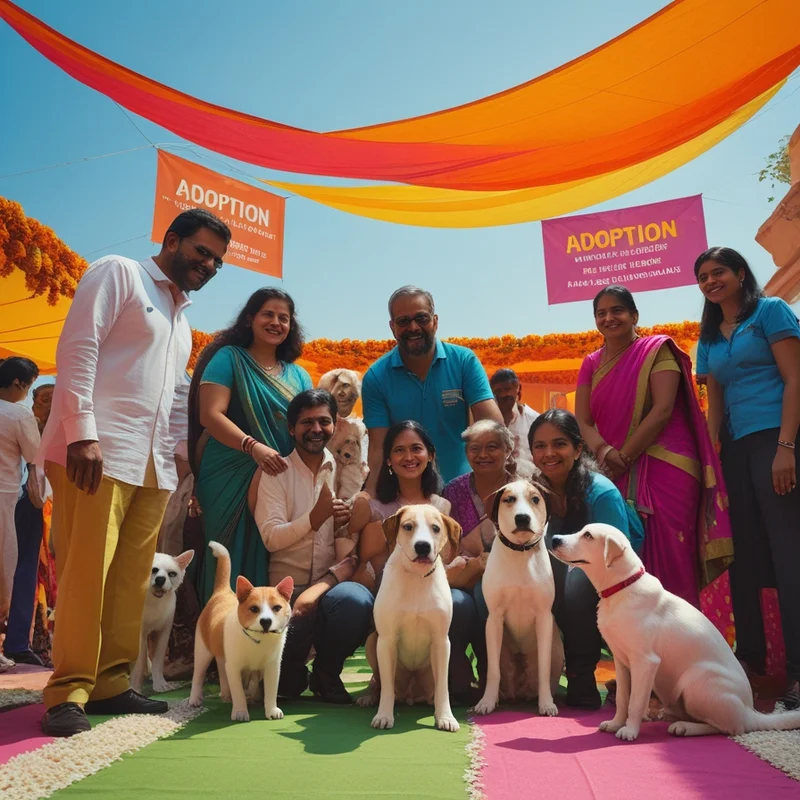
Across India, more people are discovering the joy of adopting pets and supporting animal welfare causes. Yet, despite the growing compassion for animals, thousands of strays still wait for loving homes. Hosting a pet adoption or animal welfare event can make a real difference—not just for the animals, but also for the community.
Organizing such an event takes planning, partnerships, and promotion. Whether you’re an animal lover, a local NGO, or a small business wanting to give back, creating a successful adoption or awareness drive can inspire others and bring attention to important causes.
This guide will help you plan every step of a pet adoption or animal welfare event—from finding the right partners to promoting your cause online with the help of LocalShouts (https://www.localshouts.com).
Why Animal Welfare Events Matter
Animal welfare events create awareness about adoption, responsible pet ownership, and the importance of sterilization and vaccination. They also give shelter animals a chance to find permanent homes.
For small communities, these events foster kindness and connection. When families attend, they not only adopt pets but also learn how to care for them, volunteer at shelters, and donate to local organizations.
Additionally, pet adoption events help local animal NGOs, veterinarians, and small pet product businesses gain visibility and form partnerships that continue beyond the event.
1. Define the Purpose of Your Event
Before you start planning, decide what kind of event you want to host. Not all animal welfare events are the same—your goals will guide your structure and partnerships.
Common types include:
- Adoption drives: Partner with animal shelters or rescue groups to help animals find homes.
- Awareness campaigns: Educate people about animal cruelty, vaccination, or street animal feeding.
- Fundraising events: Collect donations for shelters or medical care.
- Community pet days: Offer free vet check-ups, grooming, and registration.
Clearly defining your event type ensures you attract the right audience and collaborators.
2. Partner with Local Shelters and Veterinarians
No pet adoption event can succeed without the support of local animal organizations. Collaborate with trusted shelters and NGOs that can bring animals ready for adoption.
Partnership ideas:
- Work with local veterinary clinics to provide on-site health checks.
- Invite pet behaviorists to interact with adopters and answer questions.
- Partner with pet stores or groomers to sponsor stalls or donate supplies.
- Collaborate with local animal feeders and volunteers who understand the stray population in your area.
Such partnerships make your event more credible and comprehensive while reducing costs through shared resources.
You can also connect with local partners easily through LocalShouts (https://www.localshouts.com), which allows organizers to find animal welfare groups and event collaborators nearby.
3. Choose a Pet-Friendly Venue
A safe,open, and comfortable venue is essential for both animals and visitors.
Ideal venue options include:
- Community parks or gardens with enclosed areas.
- Pet-friendly cafés or outdoor malls.
- School or college grounds (with permission).
- Local clubhouses or residential society lawns.
Tips for setup:
- Keep separate areas for cats, dogs, and small animals to avoid stress.
- Provide shade, water, and resting spaces for animals.
- Ensure cleanliness and proper waste disposal.
- Have quiet zones for anxious pets or children.
The more welcoming your venue feels, the better your chances of successful adoptions.
4. Arrange Logistics and Permissions
Before launching your event, handle the necessary permissions and logistics:
- Seek local authority approval, especially if using public land.
- Have medical records and vaccination certificates for every animal.
- Prepare adoption forms and identity verification systems.
- Set up first aid and veterinary assistance for emergencies.
Organizing these details early builds trust with both participants and the community.
5. Promote Your Event Locally
Promotion is key to ensuring good attendance. Use digital and offline channels to reach families, pet lovers, and local residents.
Promotion strategies:
- Create a free event listing on LocalShouts (https://www.localshouts.com) to reach local audiences.
- Share updates on social media, especially Facebook and Instagram.
- Partner with local influencers or pet bloggers to share your event.
- Distribute flyers at pet stores, clinics, and schools.
- Encourage participants to share digital posters with friends.
Make sure your promotions highlight adoption benefits, the animals available, and your partners—people connect deeply with real stories.
6. Prepare Adoption and Education Booths
Your event layout should include dedicated booths and stations to make the experience smooth and engaging.
Examples of booths to set up:
- Adoption zone: Where families can meet and interact with animals.
- Information counter: To explain adoption procedures, fees (if any), and animal care tips.
- Donation counter: For people who want to contribute to the cause.
- Merchandise area: Sell pet accessories, toys, or T-shirts to raise funds.
- Education booths: Provide leaflets about vaccination, neutering, and animal laws.
These small details make your event not just about adoption but also about awareness and long-term change.
7. Keep Animals Comfortable and Stress-Free
The welfare of the animals should always come first. Loud noises, overcrowding, or extreme heat can make them anxious.
Tips for animal comfort:
- Limit the number of animals per booth.
- Keep them shaded and hydrated.
- Have trained volunteers or handlers present.
- Avoid overly loud music or sudden movements.
A calm environment makes it easier for families to bond with pets, leading to more successful adoptions.
8. Add Fun and Interactive Activities
Animal welfare events don’t have to be serious or formal. Adding interactive, family-friendly activities can draw larger crowds.
Ideas for engagement:
- Pet fashion shows or photo booths.
- Workshops on pet care, training, or nutrition.
- Story sessions about rescued animals.
- Art or poster competitions for kids promoting adoption.
These fun activities make the event lively while reinforcing the message of compassion.
9. Encourage Responsible Adoption
Your goal isn’t just to find homes for pets—it’s to ensure they go to responsible owners.
To promote responsible adoption:
- Have a screening or counseling process for potential adopters.
- Share post-adoption guidelines on feeding, health, and training.
- Offer follow-up support through the shelter or NGO partner.
- Encourage donations or volunteer sign-ups for those not ready to adopt.
By focusing on education, your event helps build a community that truly values animal welfare.
10. Capture and Share Event Highlights
Once the event begins, make sure to document it for future promotion. Photos and videos help spread the message even after the event ends.
What to capture:
- Candid shots of adopters meeting pets.
- Team and volunteer efforts.
- Stalls, games, and sponsor participation.
- Before-and-after adoption success stories.
You can upload these highlights on LocalShouts (https://www.localshouts.com) to inspire more people to attend or host similar events in other areas.
11. Follow Up After the Event
Your event doesn’t end when the stalls close. The follow-up stage is equally important.
Post-event steps:
- Thank volunteers, partners, and adopters through emails or social media.
- Share updates about adopted animals.
- Publish a post-event report or photo gallery on LocalShouts.
- Collect feedback to improve your next event.
This consistent engagement keeps your network active and helps build trust for future collaborations.
12. Collaborate for Long-Term Impact
Consider making your event a recurring campaign instead of a one-time drive.
By working with the same shelters, sponsors, and volunteers regularly, you can:
- Build stronger partnerships.
- Gain community recognition.
- Support continuous adoptions throughout the year.
LocalShouts can help you maintain these long-term collaborations by connecting you with new event partners and audiences as your mission grows.
Conclusion
Organizing a pet adoption or animal welfare event is one of the most fulfilling ways to bring positive change to your community. It requires dedication, compassion, and teamwork—but the reward of seeing an animal find a home makes every effort worthwhile.
With digital platforms like LocalShouts (https://www.localshouts.com), event organizers can easily promote their events, find local collaborators, and reach the right audience without spending heavily on marketing.
When communities come together to support animals, they build empathy, awareness, and togetherness. Whether you’re hosting your first small adoption drive or planning a large awareness fair, remember—every small step can lead to a big difference for those who cannot speak for themselves.
FAQs
1. What is the purpose of a pet adoption event?
A pet adoption event helps connect rescued animals with loving homes while raising awareness about responsible pet ownership and animal welfare.
2. How can small communities organize such events?
By collaborating with local NGOs, veterinarians, and sponsors, and promoting the event through online platforms like LocalShouts, even small communities can host impactful drives.
3. What should I include in a pet adoption event?
Include adoption booths, awareness stalls, fun activities, donation counters, and educational sessions to engage families and promote animal care.
4. How can businesses participate in such events?
Local businesses can sponsor food, pet supplies, or event materials. They can also set up stalls to showcase products while supporting a good cause.
5. How do I ensure the animals’ safety at the event?
Provide shade, water, trained handlers, and veterinary assistance. Avoid loud music or overcrowded spaces to keep animals calm and comfortable.
6. What digital tools can help promote my animal welfare event?
You can list and promote your event for free on LocalShouts to reach pet lovers and nearby communities quickly and effectively.