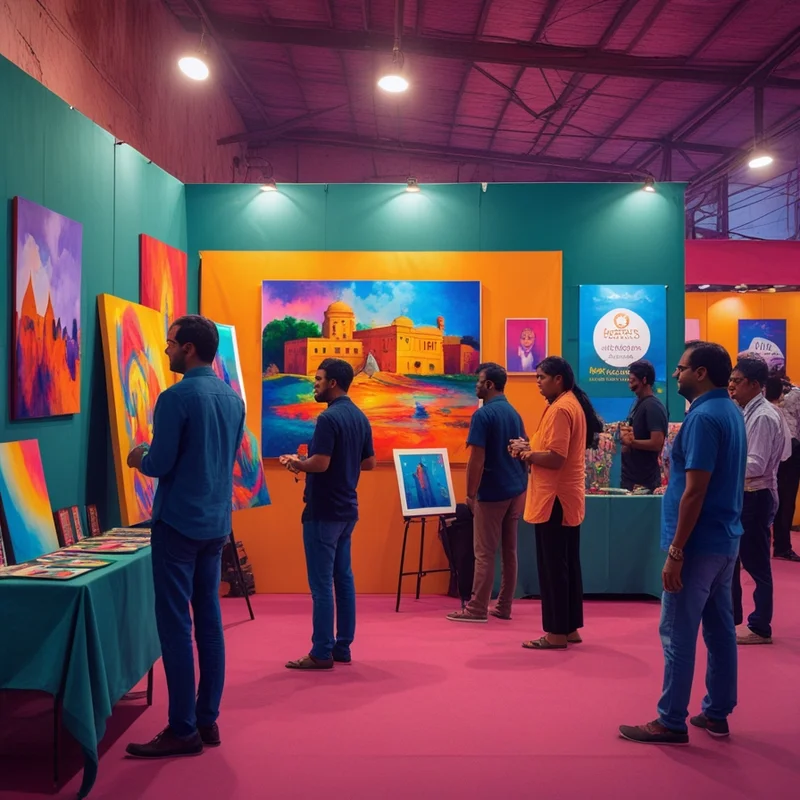
In India’s growing creative landscape, art and photography are no longer limited to galleries or studios. Small and micro businesses, community groups, and local brands are increasingly hosting competitions that bring together artists, photographers, and enthusiasts from their neighborhoods. These events not only celebrate creativity but also build strong connections within the community and enhance a brand’s visibility.
Whether you’re running a café, community center, small shop, or local startup, organizing an art or photography competition can be an excellent way to attract attention and engage people. With the right planning, digital tools, and communication, your event can become a highlight for local creators — and a great opportunity for your business.
This guide walks you through how to plan, promote, and host a successful local art or photography competition in India, with special focus on small and micro businesses using platforms like LocalShouts (https://www.localshouts.com) to reach their community.
Why Host a Local Art or Photography Competition?
Organizing such an event offers several benefits:
- Community Engagement: Brings together artists, photographers, students, and art lovers.
- Brand Visibility: Promotes your business or venue through media coverage and social sharing.
- Creative Networking: Builds lasting connections between local creators and your brand.
- Social Impact: Encourages cultural expression and supports emerging artists.
- Customer Footfall: Drives visitors to your location, especially if held at a café, studio, or local venue.
These events are also a fantastic way to position your business as a creative supporter of the community.
Step 1: Define the Purpose and Theme
Start by setting a clear purpose for your event. Do you want to promote local artists, showcase community heritage, or simply attract more visitors to your store or café?
Then, select a theme that resonates with your audience and location. Some examples include:
- “Colors of My City” – capturing the essence of your town.
- “Everyday India” – focusing on life, people, and culture.
- “Nature and Rural Beauty” – highlighting environmental and agricultural themes.
- “Expressions of Hope” – encouraging positive storytelling through art.
A clear theme helps participants stay focused and makes judging easier.
Step 2: Set Clear Rules and Guidelines
To ensure fairness and clarity, define competition rules in advance. Include:
- Eligibility: Specify whether it’s open to students, amateurs, or professionals.
- Submission Format: Digital entries (for photography) or physical artwork (for art).
- File Specifications: For digital photos, specify size, resolution, and format.
- Entry Deadline: Provide enough time for creation and submission.
- Judging Criteria: List how entries will be evaluated — creativity, originality, technical skill, and relevance to theme.
- Prizes: Mention categories and rewards, even if small (gift vouchers, certificates, or free promotion through your business).
Clear guidelines create transparency and attract more participants.
Step 3: Choose the Right Venue
Your venue sets the tone of the event. Depending on your resources:
- Local Cafés or Restaurants: Ideal for displaying art or hosting photo exhibits.
- Community Centers or Schools: Great for larger audiences and workshops.
- Parks or Open Spaces: Suitable for live art sessions or photography walks.
- Your Business Location: Hosting the event at your shop or office helps increase footfall.
If space is limited, you can also go hybrid—collect digital submissions and host an online exhibition using your website or LocalShouts (https://www.localshouts.com).
Step 4: Form a Planning Committee
If you’re running a small business, involve your team or local volunteers. Assign roles like
- Event Coordinator: Oversees logistics and scheduling.
- Promotions Manager: Handles marketing, posters, and social media.
- Technical Lead: Manages digital entries, photography, and display setup.
- Judging Panel Coordinator: Recruits experts or local artists to judge entries.
Collaborating with volunteers or local art groups can make organization smoother and more efficient.
Step 5: Promote the Event Effectively
Promotion is crucial to attract participants and audiences. Here’s how small and micro businesses can do it affordably:
- Use LocalShouts: Post your competition on LocalShouts (https://www.localshouts.com) to reach nearby audiences and artists.
- Leverage Google My Business: Create an event post with images, venue details, and links for registration.
- Social Media Promotion: Use Facebook, Instagram, and WhatsApp to share event posters and deadlines.
- Collaborate with Art Schools: Partner with local colleges and creative institutes for wider participation.
- Physical Promotion: Display posters at cafés, libraries, or community centers.
Consistency is key. Keep reminding people about deadlines and updates on all platforms.
Step 6: Manage Registrations Smoothly
Make it easy for participants to sign up:
- Online Registration Forms: Use Google Forms or your website.
- Offline Registration: Keep forms at your business or event venue.
- Confirmation Emails: Send entry confirmation and competition rules.
If you use LocalShouts (https://www.localshouts.com), you can post event details, updates, and contact information for easier coordination.
Step 7: Arrange for Judging and Evaluation
The judging process should be transparent and professional. Consider these approaches:
- Invite Local Experts: Artists, photographers, or professors can add credibility.
- Community Voting: Allow visitors to vote for their favorite entries online or at the venue.
- Criteria Scoring: Judges should score based on creativity, composition, technical skill, and theme relevance.
If you host an online gallery, LocalShouts can be used to showcase shortlisted works and gather public feedback.
Step 8: Create an Engaging Exhibition or Award Event
The exhibition is often the most memorable part. Make it special:
- Art Display Setup: Use clean, well-lit displays with artist names and titles.
- Photography Showcases: Arrange digital screens or printed panels for photos.
- Live Performances: Add live music or a creative workshop to attract more visitors.
- Award Ceremony: Recognize winners publicly—it boosts morale and community respect.
Encourage attendees to take photos and share them online with event hashtags. This expands your digital reach organically.
Step 9: Capture and Share the Highlights
After the event, don’t let the excitement fade. Document everything:
- Photos and Videos: Capture the competition setup, audience, and award moments.
- Website Gallery: Upload highlights and winning entries.
- LocalShouts Updates: Post a thank-you message with event photos.
- Press and Social Media: Share stories and testimonials to maintain visibility.
These follow-ups not only celebrate success but also attract future sponsors and participants.
Step 10: Evaluate and Plan Ahead
After every event, conduct a short review:
- What went well?
- What could be improved?
- How was the response from participants and visitors?
Use feedback forms, social media comments, and LocalShouts engagement data to refine your next event.
Digital Tools That Can Help
Small businesses can use digital platforms to make event organization easier:
- LocalShouts: Post competitions, promote calls for entries, and share results.
- Google My Business: Keep your event visible in local search results.
- Canva: Design attractive posters and social media creatives.
- WhatsApp Channels: Share updates directly with participants.
- YouTube or Instagram Reels: Showcase behind-the-scenes moments and winning art pieces.
With digital support, even small-scale events can achieve big reach.
Benefits for Small and Micro Businesses
Hosting local art or photography competitions can transform your brand perception. It shows your business cares about creativity, community, and collaboration. Benefits include:
- Increased Visibility: Attracts local press and online mentions.
- New Customers: Participants and attendees often become loyal customers.
- Community Goodwill: Builds a reputation as a local supporter of the arts.
- Digital Growth: Increases website visits and online engagement.
Platforms like LocalShouts make this process smoother by connecting businesses and communities in one place.
Conclusion
Local art and photography competitions are more than just contests—they are celebrations of creativity and community. For small and micro businesses in India, they offer an opportunity to engage audiences, strengthen brand image, and showcase talent.
With proper planning, clear communication, and digital tools like LocalShouts (https://www.localshouts.com), any small business can successfully host an inspiring event that leaves a lasting impact. Whether it’s a painting contest in a café or a photography challenge across your town, the key lies in preparation, promotion, and genuine enthusiasm for your community’s creativity.
FAQs
1. What’s the best venue for a local art or photography competition?
Cafés, schools, and community centers make excellent, affordable venues that encourage public participation.
2. How can I attract participants for my competition?
Promote through LocalShouts, Google My Business, and social media. Partner with local art schools or photography clubs.
3. What prizes should small businesses offer?
Certificates, gift hampers, free services, or sponsored features on your website or LocalShouts page.
4. How do I manage online submissions for photography contests?
Use Google Forms or LocalShouts event listings to collect digital entries easily.
5. Can I host a fully online competition?
Yes. Accept entries digitally, conduct judging online, and announce winners via live stream or social media.
6. How can such events help my business grow?
They build brand awareness, strengthen local connections, and attract new customers through community goodwill.