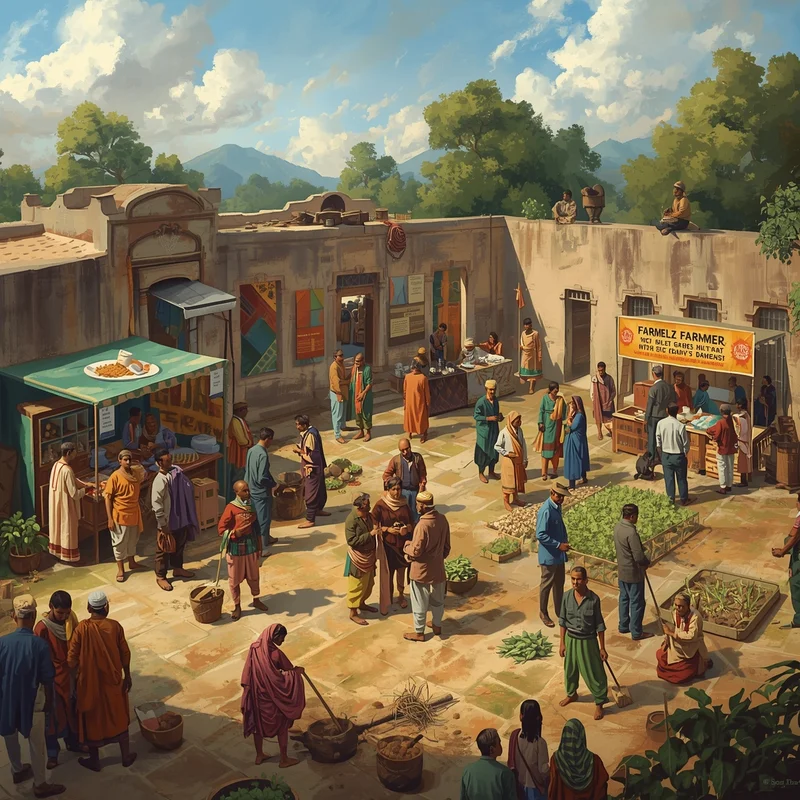
For small and micro businesses in India, connecting with local farmers and agricultural stakeholders is a powerful way to build trust, promote products or services, and contribute to community development. Farmers’ meets and agri events create opportunities for knowledge sharing, networking, and showcasing innovations, equipment, or produce.
Hosting such events may seem daunting, but with careful planning, digital tools, and community engagement, small businesses can organize successful, impactful gatherings. This article explores practical strategies to host farmers’ meets or agricultural events while boosting your online presence using websites, Google My Business, and platforms like LocalShouts (https://www.localshouts.com).
Why Farmer Meetings Are Important
Engaging directly with farmers and agri-entrepreneurs offers multiple benefits:
- Community Connection: Strengthen relationships with farmers and local stakeholders, building trust and loyalty.
- Knowledge Sharing: Facilitate workshops, demonstrations, and discussions on modern agricultural techniques, crop management, and sustainable practices.
- Market Opportunities: Provide farmers with access to markets, buyers, and agri-suppliers.
- Digital Visibility: Promote the event online to reach a wider audience, attract participants, and create post-event content for your website or social media.
By supporting the farming community, businesses not only create goodwill but also position themselves as valuable partners in the agricultural ecosystem.
Planning Your Farmers Meet
Successful events start with detailed planning. Consider these steps:
- Define Objectives: Decide whether the focus is knowledge sharing, product promotion, networking, or a combination.
- Select the Target Audience: Identify whether you are targeting local farmers, small-scale agribusinesses, suppliers, or all stakeholders in the region.
- Choose a Suitable Venue: Consider accessible locations such as community halls, cooperative societies, or farm fields that can accommodate participants comfortably.
- Timing and Duration: Plan according to farming schedules. Avoid busy harvest periods and schedule the event during weekends or off-peak hours to maximize attendance.
- Budgeting: Include costs for venue, refreshments, speakers, marketing, and logistics. Platforms like LocalShouts (https://www.localshouts.com) can help promote events with minimal marketing costs.
Collaborating with Experts and Performers
Engaging experts and performers enhances the event experience:
- Agricultural Experts: Invite agronomists, crop specialists, or government extension officers to conduct workshops and seminars.
- Local Musicians or Folk Performers: Include cultural programs to attract attendees and make the event enjoyable. Small businesses can partner with performers through LocalShouts (https://www.localshouts.com).
- Panel Discussions: Organize sessions where farmers can share experiences, ask questions, and learn from each other.
Promoting Your Farmers Meet
Promotion is critical for attracting attendees and generating awareness:
- Digital Promotion: Use your website, social media platforms, Google My Business, and LocalShouts (https://www.localshouts.com) to post event details, photos, and registration links.
- Local Advertising: Utilize local newspapers, radio, and community bulletin boards to reach farmers who may have limited online access.
- Word of Mouth: Encourage local community leaders, cooperatives, and agricultural associations to promote the event.
- Incentives: Offer free entry, giveaways, or samples to encourage attendance.
Designing the Event Experience
To ensure attendees have a valuable experience, focus on engagement:
- Workshops and Demonstrations: Practical sessions on modern farming techniques, irrigation methods, soil testing, and organic farming practices help farmers gain actionable knowledge.
- Exhibition Stalls: Showcase agricultural tools, seeds, fertilizers, and technology solutions. Allow vendors and small agribusinesses to display products.
- Networking Zones: Create spaces for farmers, suppliers, and experts to interact, exchange contacts, and explore business opportunities.
- Interactive Sessions: Conduct quizzes, contests, or live demonstrations to maintain engagement and provide hands-on learning experiences.
Leveraging Technology
Digital tools can significantly enhance the reach and impact of your agri-event:
- Event Registration: Use online forms or LocalShouts (https://www.localshouts.com) for participants to register in advance, helping with planning and logistics.
- Live Streaming: For farmers who cannot attend physically, live stream key sessions on social media platforms or your website.
- Post-Event Content: Record sessions, interviews, and performances to share on your website, Google My Business posts, and social media to engage audiences long after the event ends.
- Feedback Collection: Digital feedback forms help improve future events and provide insights into attendees’ needs and interests.
Measuring Event Success
Tracking performance metrics ensures your efforts translate into tangible results:
- Attendance and Participation: Compare registration numbers with actual turnout and monitor engagement during sessions.
- Audience Feedback: Collect reviews and testimonials from farmers and other participants.
- Business Impact: Measure sales inquiries, product interest, or leads generated during the event.
- Digital Engagement: Monitor website visits, Google My Business insights, and LocalShouts engagement metrics.
Tips for Small and Micro Businesses
For small-scale businesses hosting agri-events, keep these tips in mind:
- Start Small: Begin with a local community meet or a single workshop before scaling up to larger events.
- Leverage Partnerships: Collaborate with agricultural cooperatives, NGOs, or government bodies to share resources and expertise.
- Offer Value: Focus on providing tangible benefits to farmers, such as learning opportunities, access to tools, or networking.
- Maintain Consistency: Hosting regular events builds a reputation as a trusted business in the local farming community.
- Promote Post-Event Engagement: Continue interactions online through newsletters, social media, or LocalShouts (https://www.localshouts.com).
Overcoming Common Challenges
Even with careful planning, challenges may arise:
- Limited Attendance: Promote extensively, offer incentives, and schedule events at convenient times for farmers.
- Logistical Issues: Ensure transportation, seating, and basic amenities are well-organized.
- Budget Constraints: Partner with local vendors, government agencies, or NGOs to reduce costs.
- Technological Barriers: For farmers with limited digital access, combine online promotion with traditional methods like word-of-mouth and community announcements.
Conclusion
Hosting farmers' meetings and agricultural events is an effective strategy for small and micro businesses in India to connect with local communities, share knowledge, and grow their brand. By planning carefully, collaborating with experts and performers, leveraging digital tools, and promoting events effectively, businesses can create meaningful experiences that leave a lasting impact.
Platforms like LocalShouts (https://www.localshouts.com) make it easier to promote events, connect with local talent, and engage your target audience effectively. Whether you’re a small seed supplier, agri-equipment retailer, or community-focused business, hosting agri-events can strengthen your reputation, increase visibility, and foster long-term relationships within the farming community.
FAQs
1. How can small businesses find farmers for their events?
Connect with local agricultural cooperatives, village panchayats, farming groups, and platforms like LocalShouts (https://www.localshouts.com) to reach farmers directly.
2. What type of content works best in a farmers meet?
Practical workshops, crop demonstrations, expert talks, interactive sessions, and stalls showcasing tools or produce are highly effective.
3. Can small businesses host events on a tight budget?
Yes. Start small, collaborate with local partners, and use cost-effective promotional channels like social media, Google My Business, and LocalShouts (https://www.localshouts.com).
4. How do I ensure high attendance?
Schedule events during off-peak farming periods, promote through multiple channels, offer incentives, and involve local community leaders for support.
5. How can I leverage the event digitally?
Live stream sessions, post photos and videos online, update Google My Business, and share highlights on platforms like LocalShouts (https://www.localshouts.com).
6. How often should I host farmers' meets?
Frequency depends on your objectives and resources. Monthly or quarterly events work well to maintain engagement and build long-term relationships.