Introduction
For Indian small and micro businesses, being one step ahead of customer requirements is indispensable for success. Whether you are a bakery in Pune, a fashion shop in Jaipur, or a service provider in Delhi, being aware of what your customers want will help save time, minimize risk, and boost sales. Perhaps the best method to collect insights is through the use of a customer poll.
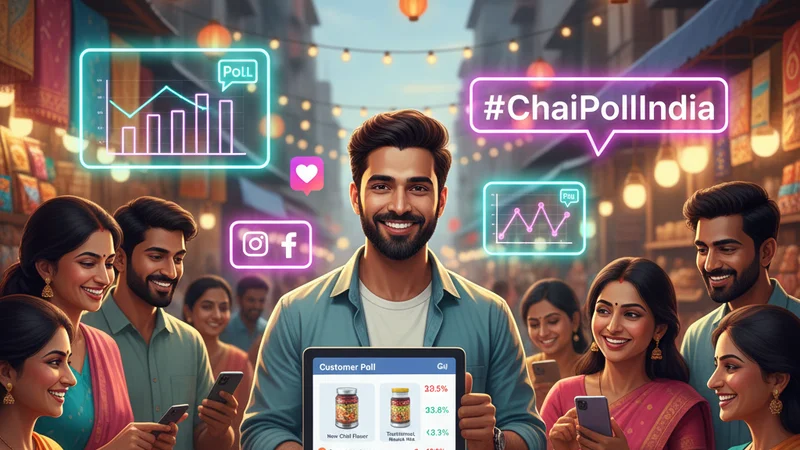
Customer polls allow businesses to directly ask their audience about preferences, unmet needs, or potential new products. Unlike guessing or relying solely on trends, polls provide actionable, data-driven feedback that reflects what your customers truly want.
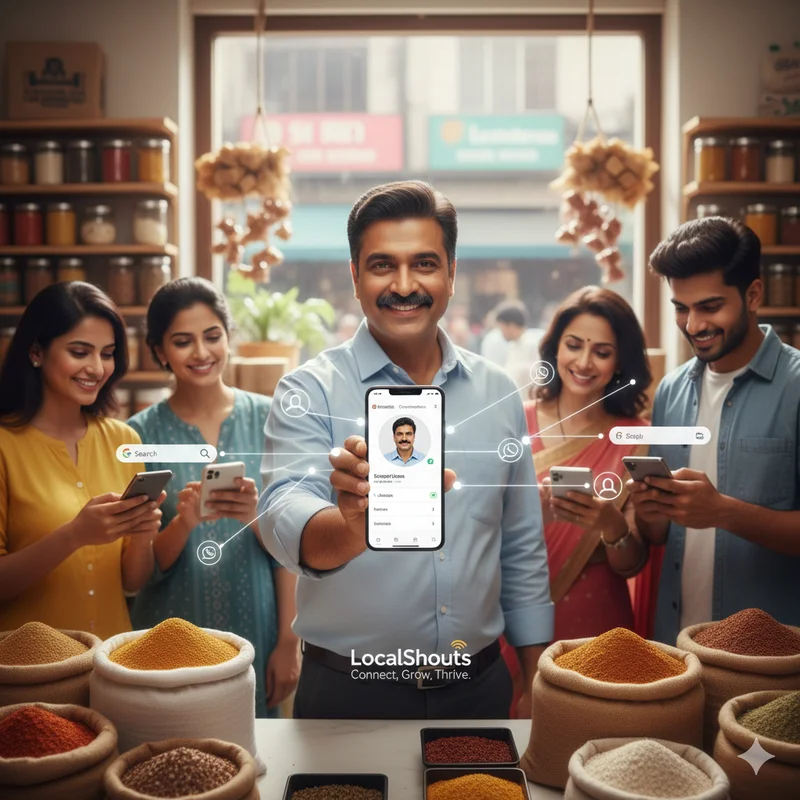
Platforms like LocalShouts (https://www.localshouts.com) make it easy for small businesses to conduct polls, engage local audiences, and incorporate feedback into product development. This article explores why customer polls are valuable, how to design effective polls, and how to use the results to create innovative products that resonate with your market.
Why Customer Polls Are Essential for Product Development
Customer polls are more than a marketing tool—they are a strategic approach to innovation. Here’s why they matter:
1. Direct Access to Customer Insights
Polls allow you to hear directly from the people who use your products or services. Instead of assuming what your customers want, you get concrete answers.
2. Minimized Product Risk
Releasing a new product without feedback can result in failure. Polls eliminate uncertainty by trying things out first before spending time and resources.
3. Enhanced Customer Engagement
Customers feel appreciated when asked for input. Engaged customers are more likely to become repeat customers and brand advocates.
4. Prioritized Innovation
Poll results allow you to target concepts most likely to be successful, time and money saved over trial-and-error development.
5. Social Proof and Buzz
Sharing polls openly, such as on LocalShouts (https://www.localshouts.com), generates interest and anticipation for future products.
Step 1: Define Your Goal
Prior to making a poll, define what you wish to accomplish. Goals might be:
- Determining new product concepts
- Understanding customer liking for current products
- Testing interest in seasonal or limited-time products
- Collecting feedback on product features, price, or design
Having a purpose ensures your questions are targeted and the results are actionable.
Example: A local dessert shop might want to know if customers like chocolate-based or fruit-based desserts for a new menu item.
Step 2: Select the Right Platform
The success of your poll lies in reaching the intended audience. Small enterprises have the option of using several channels:
Social Media Platforms:
- Instagram Stories, Facebook Polls, and WhatsApp Business facilitate instant, interactive polls.
Local Platforms:
- LocalShouts (https://www.localshouts.com) helps businesses reach proximal audiences, gather genuine feedback, and solidify local visibility.
Website and Email:
- Including polls in newsletters or on your website helps you reach engaged customers who are not necessarily social media active.
Selecting the proper platform allows for greater response and more valuable opinions.
Step 3: Design Good Poll Questions
The merit of your poll relies on questions. Consider the following tips:
1. Be Concise and Unambiguous
Use easy-to-understand language, not unclear or complex. Simple questions will have better response rates.
2. Provide Few but Pertinent Choices
Having too many options will confuse people. Provide 3–5 choices that represent the principal possibilities.
3. Provide an "Other" Choice
Letting respondents enter their own response picks up points that you might otherwise have missed.
4. Ask One Question at a Time
Sticking to a single question avoids ambiguity and enhances the quality of responses.
Sample Poll Question:
"What new flavor would you like to see on our menu next month?"
- Mango Delight
- Chocolate Brownie
- Strawberry Cheesecake
- Other (please specify)
Step 4: Promote Your Poll for Maximum Participation
Even the most well-crafted poll won't do anyone any good if no one answers. Make your poll go viral:
- Social Media Announcements:
- Post the poll to your business profile and stories.
- Encourage friends to tag friends and comment.
- In-Store Promotions:
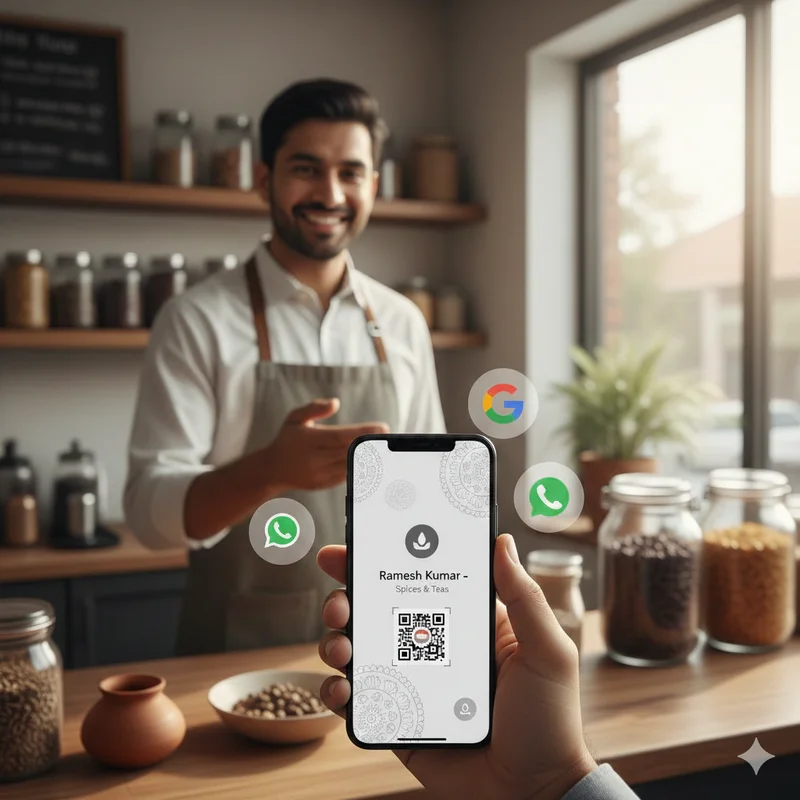
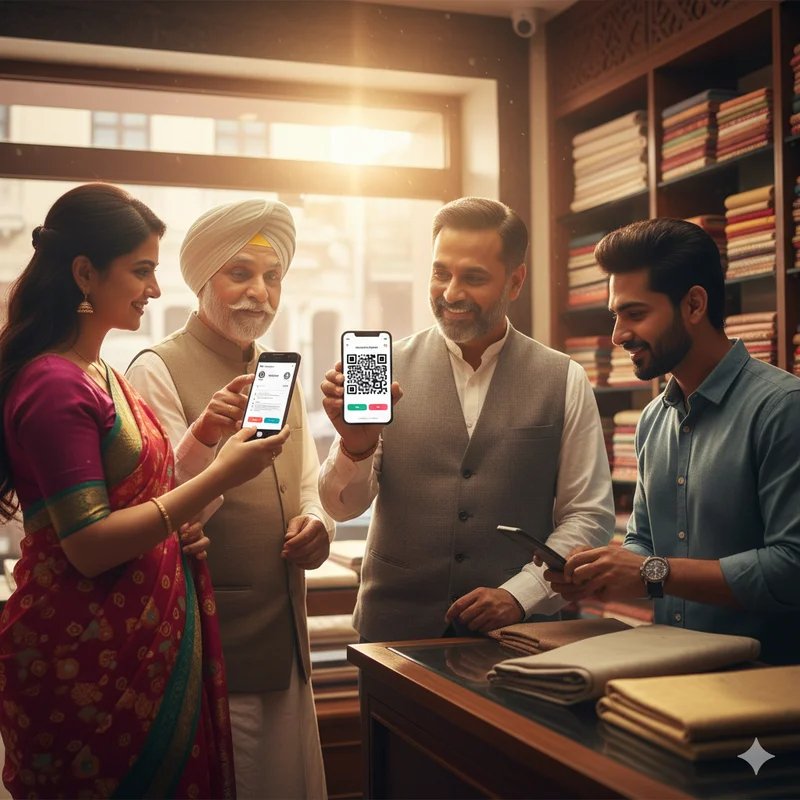
- Post QR codes that lead to the poll.
- Provide small rewards such as discounts for participating.
- Local Listings:
- Sites like LocalShouts (https://www.localshouts.com) blast your poll to verified local crowds looking for products or services in your location.
- Email Marketing:
- Insert polls into newsletters or product announcements to engage with loyal customers directly.
By encouraging your poll on a variety of channels, you maximize responses and collect more precise information.
Step 5: Interpret the Poll Results
When your poll is over, examine the results thoughtfully. Important steps are:
- Identify Clear Trends: Be on the lookout for patterns or majority opinions.
- Segment Responses: Break down by location, age range, or buying history for customized insights.
- Instruction: Note Unusual Ideas: "Other" answers usually indicate unexplored possibilities.
- Compare with Previous Data: Compare poll findings with historical sales or customer feedback.
Proper analysis of results will allow you to make informed product decisions.
Step 6: Convert Poll Insights to Actionable Product Concepts
Poll findings should inform practical decisions:
1. Create New Products
Launch new products reflecting most-preferred options.
2. Improve Current Products
Modify flavors, package sizes, or features based on consumer feedback.
3. Test Limited-Edition Products
Leverage poll results to introduce seasonal or test products with greater certainty.
4. Prioritize Investments
Invest in concepts with the most customer support, reducing risk.
Example: If a poll indicates 70% of customers want a chocolate-mango blend dessert, you can introduce it with confidence and promotional efforts.
Step 7: Engage Customers Post-Poll
Follow-up with respondents builds relationships and fosters loyalty:
- Share Results: Announce the winning choice and express gratitude for feedback.
- Involve Them in Launch: Ask pollsters to be the first to experience new products.
- Offer Incentives: Give them a discount or early bird privileges to draw them in.
- Highlight Customer Influence: Make public that the product is a result of customer ideas.
This strategy makes participants your business advocates.
Step 8: Incorporate Polls into Continuous Marketing Strategy
Customer surveys aren't a once-off project. They need to be included in your ongoing strategy:
- Conduct polls monthly or quarterly to remain in sync with shifting tastes.
- Bridge polls with reviews, testimonials, and social media campaigns.
- Utilize learnings to schedule product launches, promotions, and seasonal products.
LocalShouts (https://www.localshouts.com) is one example of platforms that enable small businesses to have ongoing interaction with local communities, keeping your brand front-of-mind.
Tips for Successful Customer Polls
- Keep It Short and Simple: Shorter surveys achieve more completions.
- Use Incentives: Free offers or discounting makes people respond.
- Be Transparent: Inform customers how the feedback will be utilized.
- Visual Appeal: Incorporate graphics or pictures to enhance responses to polls.
- Respond to Feedback: Provide customers with feedback to show them their opinions count in order to promote trust.
Conclusion
Customer polls are a potent weapon for micro and small businesses in India to come up with product ideas, enhance offerings, and connect with local markets. By posing the right questions, marketing polls widely, interpreting results, and translating insights into action, businesses can make informed decisions that lower risk and enhance success.
Sites such as LocalShouts (https://www.localshouts.com) maximize the voice of polls by linking businesses with local communities actively looking for services and products. Placing polls in your marketing plan not only encourages innovation but also creates a loyal, interested base for your brand.
Through hearing the voice of their customers, a business can keep improving, remain relevant, and flourish in a competitive local marketplace.
FAQs
1. Why use customer polls for product ideas by small businesses?
Surveys deliver direct customer insights, minimize risk, and enhance participation, enabling companies to make evidence-based decisions.
2. How can LocalShouts assist in conducting customer polls?
LocalShouts (https://www.localshouts.com) enables small business to target local audiences, gather genuine responses, and enhance local visibility.
3. What questions should I ask in a poll?
Pose concise, targeted questions with few choices, add an "Other" option, and address likes, attributes, or new product concepts.
4. How do I get people to participate in polls?
Make polls visible on social media, in stores, email, and local sites. Provide incentives and make it simple to participate.
5. How frequently should companies conduct customer polls?
Polls must be regular—monthly, quarter, or prior to new product release—to remain in line with shifting customer tastes.
6. What do I do with poll results?
Analyze trends, break down segment responses, create or modify products, report findings to participants, and incorporate findings into your marketing plan.