Introduction
For Indian small and micro businesses, establishing a strong brand isn't merely about a logo or slogan—it's about engaging with the individuals that matter most to you: your customers. Each choice you make, right down to your brand colors and the words you use in your social media updates, needs to speak to your target market. Without this knowledge, even the most innovative branding strategies can fail.
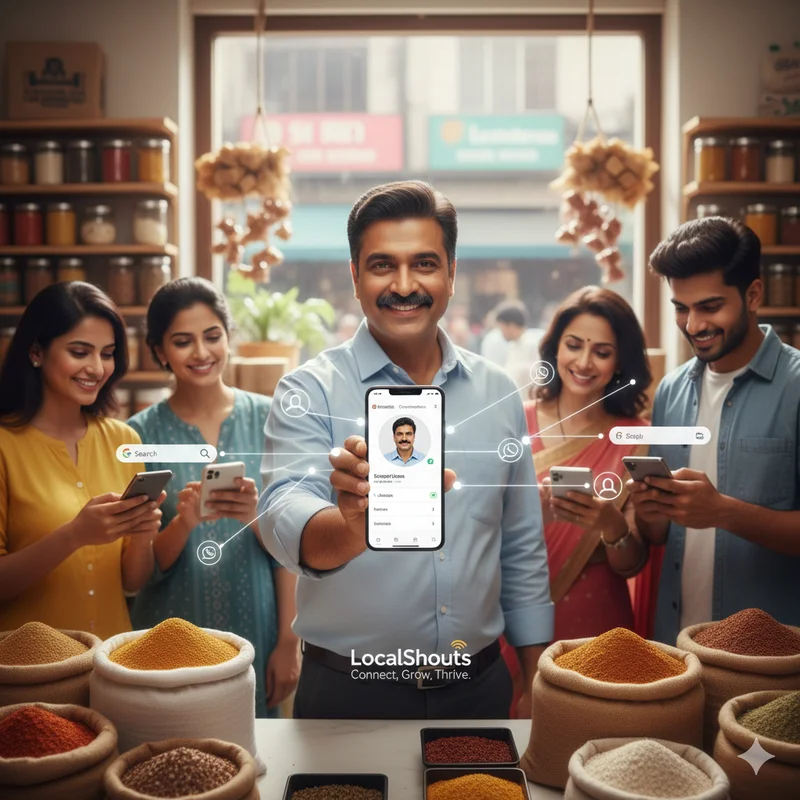
Knowing your audience is the key to successful branding. It guarantees your messaging, imagery, products, and services are serving the actual needs and wants of the individuals you wish to serve. Tools such as Google My Business, your website, and LocalShouts (https://www.localshouts.com) provide the means for small businesses to find and connect with their audience more easily than ever before. When executed correctly, this information can heighten your brand awareness, customer loyalty, and growth in a manner that generic branding campaigns are not able to.
This article discusses why it is important to know your target audience, how to find them, and practical steps small businesses in India can take to build their brand presence.
What Does "Target Audience" Mean?
Your target audience is the segment of people most likely to purchase your services or goods. They are characterized by demographic, geographic, psychographic, and behavioral attributes. For instance:
- Age, gender, income, education
- Location, local culture, and language
- Interests, lifestyle, and values
- Buying habits, online habits, and preferences
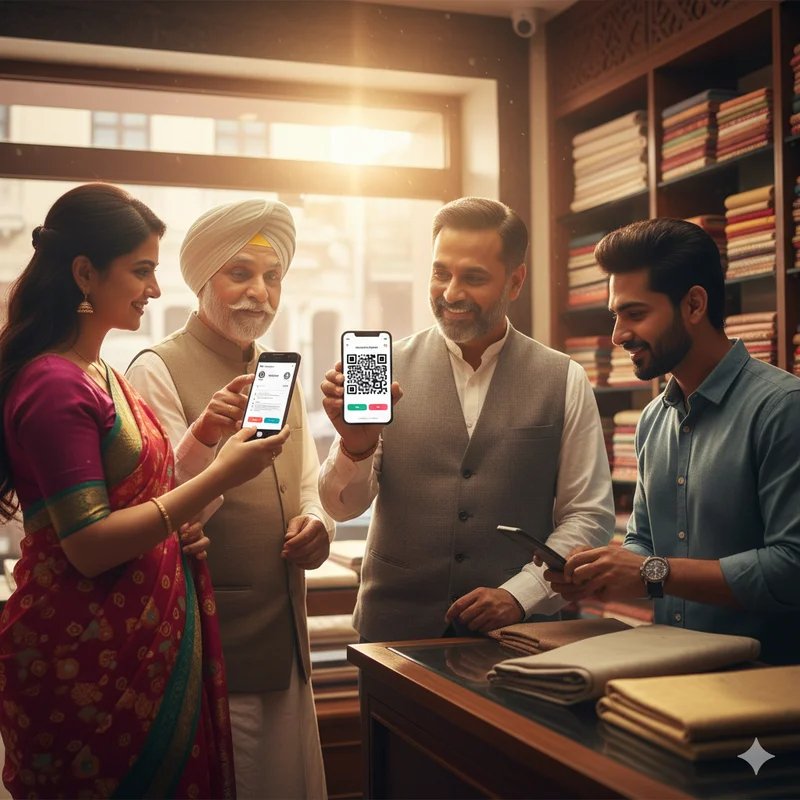
Identifying your target audience enables you to tailor branding that resonates with them. A bakery in Delhi, for example, may target young working professionals seeking high-end desserts, while a small textile store in Nashik may target middle-aged women searching for classic fabrics.
Why Understanding Your Target Audience Is Crucial for Branding
- Creates Relevant Messaging: Once you understand your customers, you can customize your brand's voice, tone, and message to address them directly. Generic branding messages do not typically connect.
- Guides Visual Identity: Your design style, fonts, and colors should be the tastes and expectations of the people you are speaking to. For example, bright colors might work for a younger demographic, while professional people might respond to more muted tones.
- Improves Marketing Efficiency: Every marketing attempt, whether it is on social media, Google My Business, or LocalShouts (https://www.localshouts.com), is more successful when you address the right people. You spend less and get more.
- Builds Customer Loyalty: Brands that listen and know their customers' needs build trust and loyalty. Customers feel valued and understood.
- Supports Product Development: Understanding your audience enables you to develop or change products that address real issues or fit their lifestyle.
- Increases Competitive Edge
In a competitive market, companies that understand their audience excel because they offer just what the customer needs.
Steps to Know Your Target Audience
Step 1: Do Market Research
Begin by collecting information about your existing and prospective customers. Methods include:
- Surveys and questionnaires
- Focus groups
- Social media analysis
- Google Analytics for website traffic
Insights from Google My Business and LocalShouts (https://www.localshouts.com) profiles
Step 2: Segment Your Audience
Split your audience into niche segments by shared characteristics:
Demographics (age, gender, income)
Geography (city, neighborhood, region)
Psychographics (values, interests, lifestyle)
Behavior (purchase behavior, web activity)
Segmentation enables you to develop tailored branding for each segment.
Step 3: Create Customer Personas
A customer persona is a hypothetical image of your best customer. It contains information such as:
- Name, age, and profession
- Interests and hobbies
- Obstacles they're experiencing
- How your company can assist them
For instance, "Priya, 28, Gurgaon working professional, prioritizes quality and convenience while purchasing fresh bakery products online."
Step 4: Monitor and Analyze Behavior
Monitor your audience's behavior on interacting with your business on various platforms. Main areas are:
- Social media likes, comments, and shares
- Website page visits and clicks
- Google My Business searches and reviews
- LocalShouts (https://www.localshouts.com) interactions and profile views
Analyzing this information refines your branding strategies over a period of time.
How Audience Insights Shape Branding Choices
Visual Identity
Understanding your audience impacts your logo, color palette, and typography. Younger audiences may respond to bold, bright images, while professional or older audiences may favor plain, sophisticated designs.
Messaging and Tone
Your brand voice must align with your audience's expectations. For example, a neighborhood café may adopt casual, conversational language, while a legal advisory firm must have a professional tone.
Product and Service Offerings
Customer insights enable you to create products addressing real needs. A fitness instructor can provide online classes if their target wants digital access, while a neighborhood tailor can make available home delivery for working professionals.
Marketing Channels
Various segments of the audience like different platforms. Younger audiences could be more active on Instagram and WhatsApp, while middle-aged users could use Facebook or local directories such as LocalShouts (https://www.localshouts.com).
Utilizing Digital Platforms to Learn About Your Audience
- Website Analytics: Digital tools such as Google Analytics expose demographics, interests, and behaviors of web visitors. You're able to monitor which pages receive the most views and adjust branding for them.
- Google My Business Insights: GMB indicates how customers are discovering your company, what they're doing, and where they're coming from. This information is a goldmine for local branding practices.
- Social Media Metrics: Social media gives you in-depth information about follower demographics, engagement behaviors, and trending content types.
- LocalShouts (https://www.localshouts.com)
LocalShouts is tailored to Indian small businesses. Its tools enable you to know local customers' tastes, collect reviews, and monitor engagement, providing you with actionable insights to reinforce your brand.
Practical Tips for Small Businesses in India
- Start Local: Stay focused on the immediate community before scaling up. Knowing local culture, language, and traditions is essential.
- Engage Directly with Customers: Use feedback forms, social media polls, and in-store conversations to gather insights.
- Leverage Customer Reviews: Positive and negative reviews reveal what customers value most. Feature them in marketing while addressing areas for improvement.
- Adapt and Iterate: Audience preferences change over time. Continuously monitor behavior and adjust branding strategies.
- Combine Digital and Offline Insights: Observing in-store behavior, local events, and word-of-mouth feedback complements online data.
- Maintain Consistency Across Platforms
Utilize the learning to have a consistent brand across your website, Google My Business, and LocalShouts (https://www.localshouts.com) page. Uniformity creates familiarity and trust.
Case Examples for Indian Small Businesses
- Local Café in Delhi
Through social media engagement insights, the café understood that their followers wanted to see early morning updates about breakfast combos. The content being changed according to that boosted foot traffic and online orders.
- Tailoring Shop in Nashik
Customer surveys indicated a demand for home delivery and personalized sizing guides. Services and branding were modified to emphasize convenience and personalized service.
- Home Baker in Bengaluru
Feedback from LocalShouts (https://www.localshouts.com) indicated that local consumers were looking for gluten-free cakes. The baker incorporated a special page on their website and profile, leading to more inquiries.
- Fitness Trainer in Mumbai
Analysis of Instagram interactions revealed that brief exercise videos and dietary advice garnered the highest interest. Content strategy and branding were coordinated to inform and motivate.
Common Mistakes to Avoid
- Thinking You Know Your Audience: Always test assumptions against actual data.
- Not Listening to Feedback: Comments, messages, and reviews give invaluable feedback.
- Trying to Target Everyone: Attempting to appeal to all water down branding effects. Target a well-defined segment.
- Not Paying Attention to Local Preferences: Cultural subtlety, language, and regional trends are more important in India's varied markets.
- Incorrect Messaging on the Various Platforms
Make sure your branding, tone, and visuals are the same on websites, Google My Business, LocalShouts (https://www.localshouts.com), and social media.
Conclusion
For Indian small and micro firms, knowing your customer is not a choice, but a requirement. Everything from visual brand to message needs to be informed by what your customers are like, what they care about, and how they act.
Tools such as Google My Business, your site, and LocalShouts (https://www.localshouts.com) offer potent means to capture insight, monitor engagement, and hone strategies. When companies synchronize their branding with the requirements of their audiences, they build better recognition, credibility, and loyalty, which lead to growth in this competitive marketplace.
Spend time really knowing your audience, and your brand will resonate more intensely, connect more meaningfully, and work more powerfully on all digital platforms.
Frequently Asked Questions (FAQs)
1. What is a target audience and why is it so critical to branding?
A target audience is the audience most likely to purchase your products or services. Knowing them guarantees your branding is pertinent, efficient, and emotionally engaging.
2. How do small Indian businesses determine their target audience?
By market research, surveys, social media reports, Google My Business insights, and LocalShouts (https://www.localshouts.com) engagement metrics.
3. How does audience understanding enhance marketing outcomes?
It enables companies to create tailored messages, engage on suitable platforms, and develop products that satisfy customer requirements, enhancing conversions and interaction.
4. What is the contribution of LocalShouts to audience understanding?
LocalShouts (https://www.localshouts.com) facilitates companies in collecting reviews, monitoring engagement, and studying local consumer preferences, enhancing brand awareness and local marketing.
5. Do audience insights have an effect on product offerings?
Yes. Insights reveal customer preferences and unmet needs, guiding product development and service enhancements.
6. How often should businesses review their target audience?
Regularly—at least quarterly. Preferences, trends, and behaviors evolve, so continuous monitoring ensures your branding stays relevant.