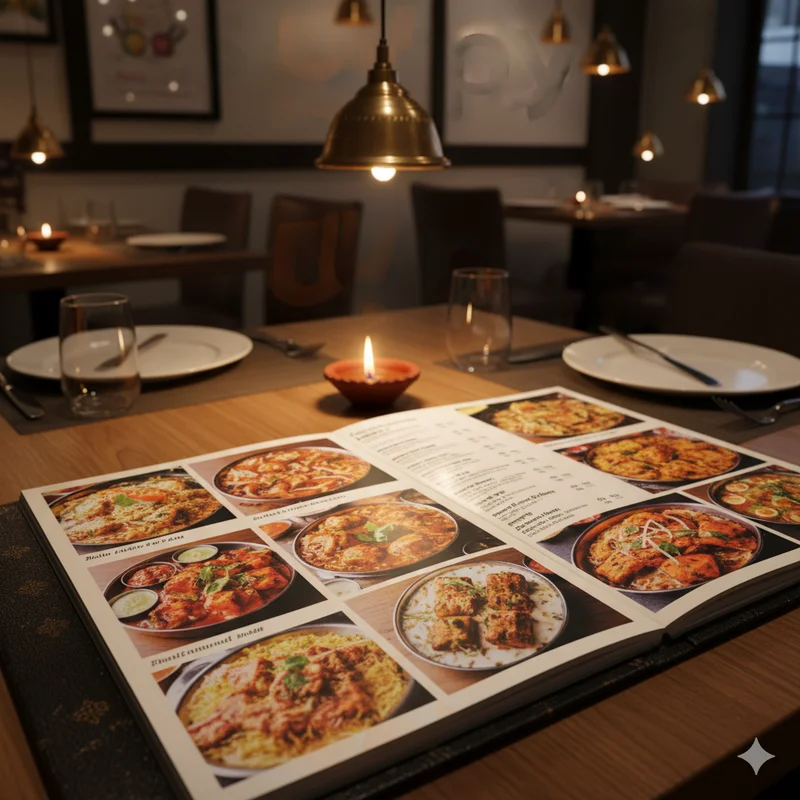
Introduction
A restaurant menu is not simply a list of food and drink, it is a silent sales representative. From the moment a customer sits down (or scrolls your digital menu), the presentation, layout, and descriptions all have an impact on what they will order, how much they order, and if they will return. For small restaurants and cafés in India, a well-designed menu could mean the difference between success and failure, or significantly impact their perceived image.
However, menu design is about much more than aesthetics. It relates to psychology, clarity, and strategic layout. In this article, local restaurants will discover how to design a menu that attracts customers, enhances profits, and creates a memorable dining experience in person or online. LocalShouts is another resource to display a digital menu and attract local customers looking for food options near them (https://www.localshouts.com).
Why Menu Design Matters for Local Restaurants
A thoughtfully designed menu helps restaurants in several ways:
- First Impressions Count – A neat, attractive menu signals quality and professionalism. It sets the tone for your restaurant’s atmosphere.
- Drives Sales – Strategic menu layouts and descriptions encourage customers to order higher-margin dishes.
- Enhances Experience – A menu that’s easy to read and visually pleasing makes ordering stress-free and enjoyable.
- Strengthens Branding – Fonts, colors, and tone reflect your restaurant’s personality — whether homely, luxurious, or youthful.
- Supports Online Growth – With tools like Google My Business and LocalShouts (https://www.localshouts.com), your menu also becomes part of your digital identity, helping attract diners searching online.
In short, your menu design can make or break your restaurant’s success.
Understand Your Customers First
Before designing, you need to know your target audience. Are your diners college students, families, professionals, or foodies?
- For college cafés: Menus should be colorful, affordable, and fun.
- For fine dining: Use minimalistic layouts, elegant fonts, and descriptive dish names.
- For family restaurants: Add pictures and larger fonts for easy reading.
- For takeaway joints: Focus on compact, easy-to-navigate menus that highlight combos and bestsellers.
By knowing who you’re serving, you can tailor your design, pricing, and language accordingly.
Designing an Effective Menu Layout
A well-designed menu can help to effectively focus the diners' attention. Below are proven menu layout tips about menu design to increase sales:
- Utilize the “Golden Triangle”: When people open a menu, their eyes will go to the center first, then to the top right corner second, and the top left corner third. If you recount your best proof, pizza or another signature dish in those locations and then you will have them.
- Categorize Items Logically: Organize food to minimize confusion and avoid frustration. Use demonstrable categories like: Breads, Salad, main courses, beverages and desserts. Use a limited number of items in each category to avoid too many baskets for guests to navigate to make an order.
- Put Best Sellers in Boxes: Use boxes, icons, or chef's aspects towards the items with higher profit margins if not and the highest genre of dietary requests.
- Balance text and white space: Not cluttering the menu with text sells orders. Create a cleaner look and feel to feel higher quality. The less clutter on the menu, the more room to let diners focus on what matters.
- Use price positioning wisely: Do not line the price up in an illuminative column. Punish the diners or ruin their decisions by placing price at the or bottom. This will help influence their orders without a fisherman before getting there.
The Psychology Behind Menu Design
Great menus use subtle psychology to influence decisions. Here’s how:
- Descriptive Language Sells: Use sensory words like “crispy,” “smoky,” “homemade,” or “creamy.” For example, instead of “Paneer Tikka,” say “Smoky Char-Grilled Paneer Tikka.”
- Use Limited Choices: Studies show that fewer options reduce decision fatigue. Offer around 6–8 items per section for clarity.
- Set Decoy Pricing: Place a slightly higher-priced item next to your target dish — this makes the latter look more reasonable.
- Highlight Emotional Stories: Mention the origin of a recipe or local sourcing of ingredients. People connect with stories — “Made from locally sourced organic vegetables from nearby farms.”
By combining good design and psychology, your menu becomes a powerful marketing tool.
Use High-Quality Photos (But Sparingly)
Visuals can boost appetite and attract attention, but too many photos can make the menu look cheap.
- Use professional, natural lighting for photos.
- Only include photos of your signature dishes.
- Keep a consistent photography style — whether rustic, modern, or minimal.
- For digital menus, compress images to load quickly on mobile.
You can even use LocalShouts (https://www.localshouts.com) to showcase your top dishes online, helping potential customers decide before they visit your restaurant.
Typography and Color Choices
Your font and colors communicate your brand personality before anyone even reads a word.
- Fonts: Use readable, modern fonts. Avoid overly decorative typefaces.
- Colors: Match your theme. For example, green for health-conscious menus, red for excitement, and gold or black for luxury dining.
- Contrast: Use dark text on light backgrounds for clarity.
Every design choice should align with your restaurant’s identity.
Dish Descriptions That Sell
Creating good dish descriptions can be a fine art. Keep them short but delicious!
For example: instead of “chicken curry,” try “Tender chicken, simmered in aromatic, rich Indian spices.”
Or instead of "chocolate cake," say "Moist dark chocolate cake with silky ganache."
These minor adjustments create a sensory experience in the customer's head, having them salivating for your food even before they order!
Local and Seasonal
When it comes to dining out, customers crave a local experience. Highlighting local or seasonal ingredients can set your restaurant apart.
For example, “Monsoon Special - Spicy Bhajiyas with house-made chutney.” “Winter Treat - Gajar Halwa with Desi Ghee.”
Limited time offers also create urgency - prompting customer visits to taste your latest dish.
The Role of Digital Menus and QR Codes
Since COVID-19, digital menus have become standard. They’re not just safer — they’re also powerful marketing tools.
With QR menus, you can:
- Update prices or items instantly.
- Add videos, chef notes, or pairing suggestions.
- Collect data on what dishes are viewed most.
- Link directly to your Google My Business or website.
Platforms like LocalShouts (https://www.localshouts.com) allow restaurants to showcase digital menus, receive reviews, and manage online visibility seamlessly.
Don’t Forget Menu Engineering
Menu engineering is the science of analyzing and designing menus for profitability.
- Identify which dishes are stars (popular and profitable), plowhorses (popular but less profitable), puzzles (profitable but less popular), and dogs (neither).
- Adjust placement and pricing to encourage ordering of high-margin items.
- Review your menu quarterly — tastes and trends evolve.
By applying these techniques, even small local eateries can increase average bill size significantly.
Printing and Presentation Tips
Even the best design can fail with poor presentation.
- Use durable, water-resistant materials for printed menus.
- Keep them clean and smudge-free.
- For cafés, creative touches like wooden clipboards or chalkboards can add charm.
- For takeaways, design compact menu flyers that fit in delivery bags.
Remember: your menu reflects your brand — treat it like a marketing asset, not just a list of dishes.
Share your Menu Online
Your cafe's or restaurant's menu can and should be shared online. Upload that information anywhere your guests might look:
- Google My Business: Add your current menu and high-quality photos of your dishes.
- Social Media: Post weekly "dish highlights" or "chef's specials".
- LocalShouts (https://www.localshouts.com): Feature an online version of your menu for the locals who are out looking for food locally.
- Your Website: Give patrons the ease of browsing your menu before booking a reservation or ordering food online.
When all this digital information is consistent, the chances of discovery and actual foot traffic increases.
Conclusion
Creating a restaurant menu that attracts more diners is more than pretty fonts and beautiful photos — it's about the story, the psychology and knowing your customer base. There is a place for every size of establishment, whether it is a small café, or large family restaurant, or a cloud kitchen, the menu is your voice, it should speak your food, passion, and indicate your personality.
Take the advice above, clarity, strategy, and emotional connection and create a menu that brings in sales. And LocalShouts (https://www.localshouts.com) can help you reach local diners craving something new and expand the reach of your menu.
A well designed menu doesn't just list dishes, rather it welcomes people in, and keeps them coming back!
FAQs
1. How often should a restaurant update its menu?
Ideally, review your menu every 3–6 months. Update seasonal dishes, adjust prices, and remove items that aren’t performing well.
2. Should I include photos in my restaurant menu?
Yes, but selectively. Use high-quality photos for signature or new dishes. Too many images can make the menu feel crowded or less premium.
3. How can I make my menu stand out from competitors?
Add storytelling, highlight local ingredients, and use appealing colors and fonts. Showcase your unique selling points clearly.
4. What’s the best way to price dishes on a menu?
Position prices strategically and avoid alignment that makes cost comparisons easy. Also, analyze profitability before setting final prices.
5. Should my restaurant have a digital menu?
Absolutely. A digital menu helps you update items instantly, share online, and improve customer experience — especially through platforms like LocalShouts (https://www.localshouts.com).
6. Can menu design really impact restaurant sales?
Yes. A well-designed menu can boost average order value by up to 20% by guiding choices and emphasizing profitable dishes.