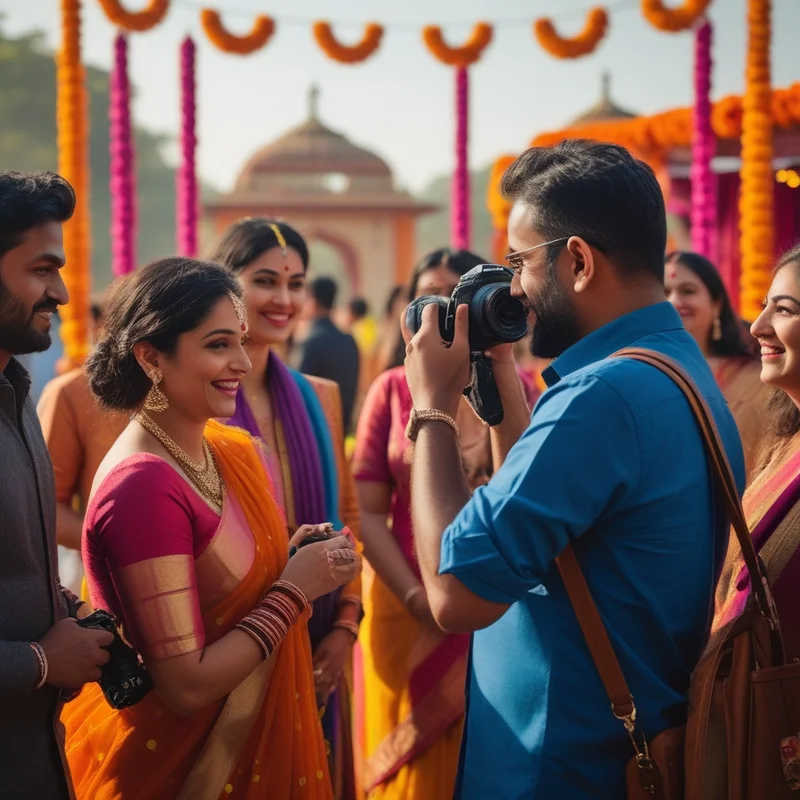
For small and micro businesses in India, local events — such as product launches, workshops, pop-up markets, or community drives—are essential for connecting with the public. But one common challenge often goes unnoticed: capturing those moments professionally.
That’s where collaborating with local photographers can make all the difference. Great visuals don’t just document your event—they tell your brand story, boost credibility, and create long-term marketing value.
In this article, we’ll discuss how small businesses can partner with photographers effectively, from planning to promotion, and how platforms like LocalShouts (https://www.localshouts.com) can help showcase your events and visuals to a larger audience.
Why Event Photography Matters
In today’s digital world, visuals often speak louder than words. Whether you’re running a café, boutique, fitness studio, or startup, photos from your events are powerful tools for storytelling.
Here’s why investing in event photography is a smart move for small businesses:
- Builds trust and professionalism: High-quality photos show that your business values quality and attention to detail.
- Boosts social media engagement: People engage more with visual posts than plain text.
- Provides reusable marketing material: Event photos can be repurposed for your website, flyers, or ads.
- Strengthens local identity: Local photographers understand your community’s vibe and can capture it authentically.
- Encourages press coverage: Journalists and bloggers prefer using professional photos when featuring events.
Platforms like LocalShouts (https://www.localshouts.com) allow you to upload and promote these images, helping you attract a wider local audience and future collaborators.
Step 1: Identify the Purpose of Your Event Coverage
Before reaching out to photographers, clarify why you need event coverage.
Ask yourself:
- Do I want to promote my brand on social media?
- Am I capturing memories for customers or participants?
- Will these photos be used in press releases or advertisements?
- Do I need behind-the-scenes shots or only main highlights?
For instance, if you’re organizing a local food festival, you might need:
- Candid photos of visitors enjoying dishes
- Vendor shots for sponsor appreciation
- Wide-angle venue photos for promotional use
Having a clear purpose helps you find the right photographer with matching skills—whether that’s lifestyle photography, candid storytelling, or commercial branding.
Step 2: Find and Shortlist Local Photographers
You don’t need to hire expensive agencies. Many talented photographers and freelancers in your city are open to collaborating with local businesses.
Here’s how to find them:
- Search on LocalShouts (https://www.localshouts.com) for local creative professionals.
- Ask for recommendations from your network or past collaborators.
- Browse Instagram, Google, or Facebook using local hashtags like #DelhiPhotographer, #PuneEvents, or #ChennaiWeddings.
- Check photography groups on WhatsApp or community forums.
When shortlisting, review each photographer’s portfolio. Look for clarity, composition, and whether their style matches your brand image.
Step 3: Set a Clear Budget and Collaboration Type
Photography doesn’t have to strain your finances. You can collaborate in ways that benefit both sides:
1. Paid collaboration:
Offer fair compensation based on the event’s size and coverage hours. Many local photographers provide affordable packages for small businesses.
2. Exchange-based collaboration:
Offer value in return, such as:
- Free stall or entry at your event
- Promotion on your social media pages
- Credit mentions on your website and event listings
- Access to a new audience through LocalShouts promotions
For example, a bakery could provide food coupons to a local photographer in exchange for event coverage—a win-win for both.
Step 4: Discuss Expectations in Advance
Before the event, clearly communicate what you expect from the photographer. This avoids confusion and ensures you both get value from the collaboration.
Key details to discuss:
- Event date, time, and location
- Number of hours of coverage
- Type of shots needed (portraits, candid, stage, crowd, etc.)
- Deadlines for photo delivery
- Editing and ownership rights
- Credit or tag requirements when sharing images
Pro tip: Draft a simple written agreement or email summary confirming these points. It keeps things transparent and professional.
Step 5: Provide Context and Creative Direction
Help your photographer understand your brand’s tone and target audience.
For instance:
- A fashion boutique may want stylish, aesthetic portraits.
- A community NGO event may focus on emotions and participation.
- A local restaurant launch might prioritize food, décor, and crowd ambiance.
Share references or sample photos if possible. Walk your photographer through the venue before the event to identify lighting and key angles.
When photographers know your story, they can capture more authentic and meaningful visuals.
Step 6: Make the Photographer Part of the Event
During the event, treat your photographer as part of the team—not just a vendor.
- Introduce them to key staff and guests.
- Provide access to all important areas (stage, backstage, or booths).
- Inform your attendees that photography is happening—this helps get natural smiles!
- Offer refreshments and ensure they’re comfortable.
The more at ease your photographer feels, the better their creativity and attention to detail will be.
Step 7: Encourage On-the-Spot Social Sharing
In the age of instant content, live event coverage can boost engagement dramatically.
Encourage your photographer to:
- Capture a few highlight shots during the event.
- Share them quickly on Instagram or Facebook stories.
- Tag your business page and event hashtag.
You can also post these updates on LocalShouts (https://www.localshouts.com) to give real-time updates to local followers and attract walk-ins.
Instant photo sharing keeps your event buzzing online while it’s still happening.
Step 8: Give Proper Credit and Recognition
After the event, always credit your photographer when posting their work. This simple gesture strengthens professional relationships and builds trust.
Ways to show appreciation:
- Tag them on social media posts.
- Mention their name in your event recap on LocalShouts.
- Include their watermark or credit line in shared photos.
- Leave a testimonial or Google review for their services.
In return, photographers often feature your event on their pages—giving your brand additional visibility among their followers.
Step 9: Use the Photos Strategically
Now that you have stunning visuals, make them work for you.
Here’s how to maximize your event photos:
- Post a highlight album on Facebook and Instagram.
- Add a photo gallery to your event page on LocalShouts (https://www.localshouts.com).
- Include pictures in newsletters, flyers, or press releases.
- Use them in “Thank You” posts to sponsors or participants.
- Display them in your shop, café, or office to build trust.
High-quality visuals can be reused for months—turning one day of event coverage into a long-term marketing asset.
Step 10: Build Long-Term Partnerships
Once you find a good local photographer, keep the relationship going.
Offer them repeat collaborations for future events or seasonal campaigns. This consistency helps maintain a recognizable brand aesthetic over time.
For example:
- A local fitness studio might work with the same photographer for all workshops.
- A handmade jewelry brand could hire one photographer for all product launches.
Loyal partnerships also make it easier to negotiate better rates and faster turnarounds. Over time, your photographer becomes an extension of your brand team.
Step 11: Leverage LocalShouts for Visibility
Posting your event coverage on LocalShouts (https://www.localshouts.com) can multiply your reach.
You can:
- Create event listings with professional photos.
- Highlight your photographer credits.
- Attract local attendees and future collaborators.
- Boost your visibility among nearby businesses and media outlets.
LocalShouts bridges the gap between local businesses and their communities, ensuring your efforts—and visuals—don’t go unnoticed.
Step 12: Evaluate the Collaboration
After your event, take a few minutes to review how the partnership went.
Ask yourself:
- Were the photos aligned with your vision?
- Did the photographer deliver on time?
- How did your audience respond to the visuals?
- What could be improved next time?
Send feedback and appreciation to the photographer. Constructive communication ensures even smoother collaborations in the future.
Conclusion
Collaborating with local photographers is more than just hiring someone with a camera—it’s about building a creative partnership that elevates your brand.
For small and micro businesses in India, event photography can turn one-time gatherings into long-term marketing assets. The key lies in finding the right local talent, setting clear expectations, and using the visuals strategically.
Platforms like LocalShouts (https://www.localshouts.com) make it easy to connect with photographers, list your events, and share your visuals with a broader community audience.
With the right collaboration, your next local event won’t just be remembered—it’ll be beautifully captured and proudly shared.
FAQs
1. Why should small businesses invest in event photography?
Professional photos help build trust, attract attention, and serve as reusable marketing assets across platforms.
2. How can I find local photographers for my event?
Use platforms like LocalShouts (https://www.localshouts.com), social media hashtags, and community recommendations to discover talented local photographers.
3. What’s the best way to collaborate on a budget?
Consider value exchanges—such as free promotion, food vouchers, or social media credits—instead of only cash payments.
4. Should I sign a contract with photographers?
Yes, even a simple written agreement helps clarify expectations, deliverables, and rights over the photos.
5. How can I make my event photos more engaging online?
Post highlight albums, tag attendees, and share stories on social media and LocalShouts for maximum engagement.
6. What kind of photos do journalists prefer for media coverage?
Clear, candid, well-lit images that show both people and the event environment — authentic moments always perform best.