Introduction
In a time of mobiles and food delivery platforms, being digital is no longer a preference - it is a must. This case study presents Spice Garden, a mid-sized restaurant located in Pune, India, and how they used digital menu optimization to increase sales, reduce errors and create better customer experiences. Spice Garden transitioned from a traditional printed menu to a smart, data-driven digital menu; this case study shows how any restaurant, no matter their size, can utilize technology to their advantage.
Background
Spice Garden had a loyal local customer base, but was facing difficulty in attracting new customers and managing their online orders; it was facing several challenges, including:
- A poorly organized menu that had too many similar items
- Unintended price discrepancies between dine in and delivery menu items
- Little visibility of best-selling and or high-margin menu items
- Over reliance on printed menus, which made it cumbersome to update menu items
By the end of 2023, they were incurring heavy competition from app-first restaurants and recognized they needed to shift to a digital approach, starting with their menu.
The Challenge
The management identified key pain points through customer feedback and sales analysis:
- Customers felt overwhelmed by too many dish options.
- Delivery partners often listed old prices, leading to confusion.
- Signature dishes weren’t highlighted, causing missed sales.
- Seasonal updates were slow, as printing new menus took time and money.
The goal was simple: make the menu simpler, smarter, and more profitable.
The Strategy: Going Digital With Data
1. A Menu Audit and Categorization
The team looked at the last three months of order data from Zomato and Swiggy. They noticed that 20% of their dishes generated almost 70% of total sales. They created a new "Top Picks" category for customer browsing convenience.
2. Introducing Smart Digital Menu
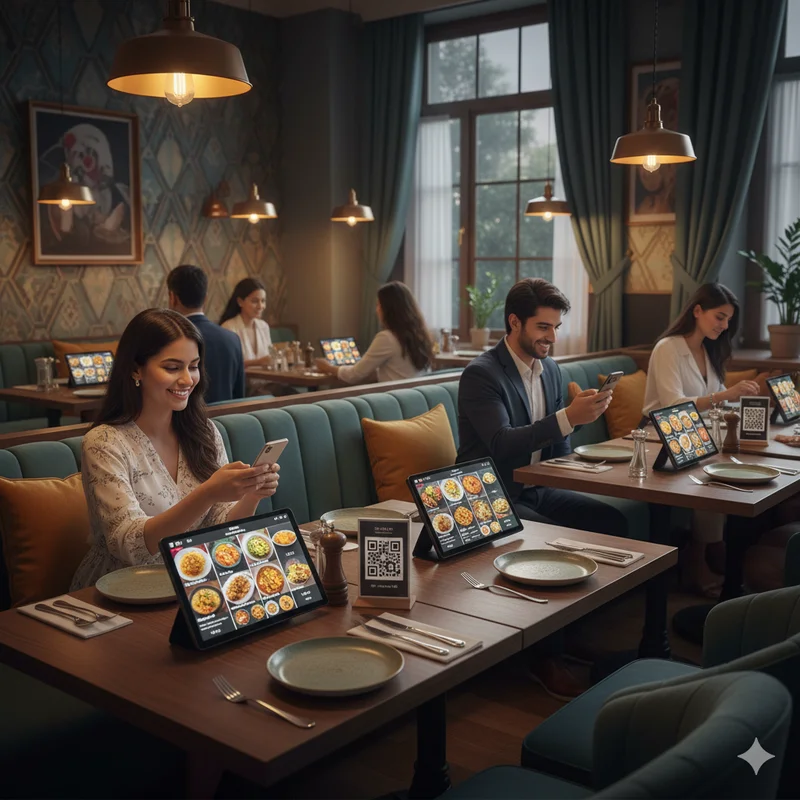
They engaged a local digital agency to develop a QR-code-based digital menu for dine-in customers and create an online ordering menu with integrated digital and ordering devices. To maximize user experience and the QR code websites, they:
Highlighted all top-rated dishes with "Chef's Recommendations"
Provided genuine photos of menu items covered with portion size, and allergen information for each type of preparation
Enabled instant access to price and items available in real time
3. Delivery App Search Optimization
The restaurant updated item titles and descriptions with words that customers would search for, like, "butter chicken near me," and "best biryani in Pune", which allowed the restaurant to be visible on food delivery searches.
4. Analytics-Based Upselling
The analytics allowed the team to see which dishes were ordered together. They created combination suggestions, and also added drinks and desserts at the checkout.
5. Seasonality and Festivity Specials
During Diwali and Holi, Spice Garden used limited-time digital menu banners to showcase festive thalis, and sweets — the menu engagement offered seasonal and festive context.
The Results
After 6 months of implementing digital menu optimization, Spice Garden saw:
- 📈 38% increase in total orders (both dine-in and online)
- 💰 22% higher average order value through combo promotions
- 🕒 50% faster menu update time compared to traditional printing
- 🌟 4.6-star average rating across food delivery platforms (up from 4.1)
- 🔁 30% repeat customer rate, thanks to consistency and ease of reordering
The restaurant also noted fewer customer complaints about pricing or availability errors, as all updates were synced across platforms in real time.
Key Takeaways
- Simplicity Sells: Customers want small, concise menu styles that present the favorites first.
- Digital Menus Save Time: QR codes and integrations with delivery apps require no reprints or changing prices on the menu.
- SEO for Food Menus Works: Good names and descriptions will help your menus to rank higher on delivery apps.
- Data = Better Decisions: Understanding order patterns can lead to smarter promotions and better margins.
- Consistency Builds Trust: Roie time-sync makes sure customers see accurate prices every time.
Conclusion
The success of Spice Garden supports data and menu optimization is not just about design — it’s verging on strategy, data, and customer experience. Going digital has made their menu a powerful marketing and sales tool that continues growth.
Whatever your business model, small cafes to fine-dining, taking your menu digital — and optimizing for search and conversion — can make all the distinction.
FAQs
1: What exactly is digital menu optimization?
Technically speaking, it is a combination of technology, design and analytics to make a restaurant's menu tailored to the user experience to result in more sales.
2: How exactly can QR code menus benefit restaurants?
QR code menus allow for instant menu updates, amaze and engage guests with interactive visuals, and save printing costs.
3: Are digital menu solutions something a small restaurant can afford?
Yes, there are many affordable and versatile QR menu solutions, either by local agency or through inexpensive SaaS menus.
4: How regularly should a restaurant update the digital menu?
As a best practice, at minimum, the menu should be updated every season or as menu prices or menu items change.
5: Which metrics can be monitored to determine menu success?
Average order value, most viewed items, continued repeat orders, and overall rating improvement.
6: What tools are available for researching digital menu analytics?
Web-based menus can use Google Analytics reporting, Zomato Insights, or data reporting from its own restaurant POS system