Introduction: When Laughter Became the Secret Ingredient
In the social media world, humor is one of the quickest ways to earn attention - and affection. Offers may go forgotten over time, but a post that brought a smile to your face can be remembered.
This is the story of "Catch a Buzz Café", a little coffee shop in Pune, India that changed its online presence from stale and boring to engaging and entertaining using humor-based marketing. Rather than focusing on deals and promotions, the café set out to serve a daily dose of laughter and engagement, one meme, one caption, and one cup at a time.
In less than a year, BrewBuzz Café's follower count on Instagram grew from 400 to 35,000+, and their daily foot traffic doubled. Here is how they did it.
Chapter 1: The Struggle Before the Laughs
When BrewBuzz Café opened its doors in 2021, owners and college friends, Nikhil and Aditi, envisioned customers flocking to them without any problems, with only word-of-mouth and online ads needed to get people in.
Instead, they faced high competition from well known coffee house chains, failing engagement on their social media posts and visibility of their business on Google Maps was poor.
Their Instagram feed was stuff just like every other coffee spot: pictures of latte art, coffee shop interiors, and posts about being "10% off" something that didn't gain any traction with resharing.
Nikhil recalls, "We felt like we were just another coffee shop on Instagram. People scrolled right past us as if we weren't there at all.
Chapter 2: The Idea—Serve Coffee with Comedy
One evening, Aditi posted a funny meme about caffeine addiction using a photo of their café cup. It read:
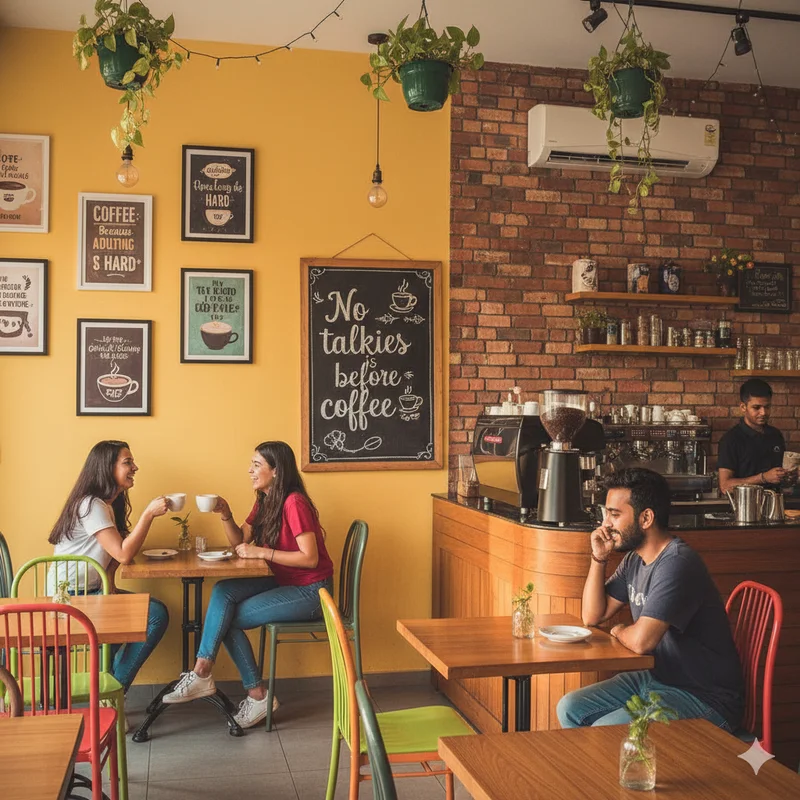
“No talkies before coffee.” ☕😴
To their surprise, it went viral locally. People tagged friends, and new followers started pouring in. That’s when they realized—humor sells, especially when it’s relatable.
So they made a bold move:
“Let’s turn our Instagram page into a coffee comedy club.”
Chapter 3: Crafting a Unique Voice
They stopped posting generic marketing content and started creating:
- Funny memes about mornings, deadlines, and caffeine cravings
- Sarcastic captions on bad Mondays or long meetings
- Customer reaction skits (“POV: When someone orders decaf”)
Every post sounded like a friend joking about life—not a brand trying to sell coffee.
Their new tone became their identity:
“Coffee first. Adulting later.”
This voice made them instantly relatable to office workers, students, and freelancers—the exact crowd they wanted in their café.
Chapter 4: Consistency and Timing—The Comedy Schedule
Instead of random posts, BrewBuzz followed a smart content rhythm:
The business follows a weekly social media content plan designed to engage followers with humor, relatability, and community interaction:
- Monday: Relatable memes to start the week with humor.
- Wednesday: Short, funny reels showing behind-the-scenes café moments.
- Friday: Community-focused posts with engagement offers (e.g., tag-a-friend discounts).
- Sunday: Light, relaxing humor to match the weekend mood.
This structure kept their feed consistent and entertaining, and their audience started waiting for the next laugh.
Chapter 5: Engaging the Audience with Comments and Replies
Humor wasn’t limited to posts—it lived in their replies too.
When a user commented,
“I’m addicted to your cold coffee,”
The café replied,
“We take full responsibility for your happiness and sleepless nights 😎☕.”
Their funny and human responses made people engage more. Comments grew, and so did shares. Soon, their posts started showing up on meme pages and WhatsApp groups across Pune.
Chapter 6: Turning Online Laughs into Real Customers
With growing online fame, people wanted to visit BrewBuzz Café in person. The café used clever in-store touches to link the digital and physical experience:
- Tables had QR codes saying “Scan for daily meme therapy.”
- Coffee cups came with funny one-liners like “Espresso yourself!”
- A wall was painted as a “Selfie Spot” with the line: “You look brew-tiful today.”
Visitors posted photos and tagged the café—creating user-generated content (UGC) without spending on ads.
Through humor, BrewBuzz turned customers into brand promoters.
Chapter 7: Leveraging Google My Business (GMB) and LocalShouts
The café also updated its Google My Business (GMB) profile with:
- Witty Q&A responses like:
- Q: “Do you serve strong coffee?”
- A: “We serve coffee that fixes Mondays.”
- Fun review replies that made people smile.
- Customer: “Loved the ambience.”
- BrewBuzz: “Thanks! Our Wi-Fi password also loves compliments 😁.”
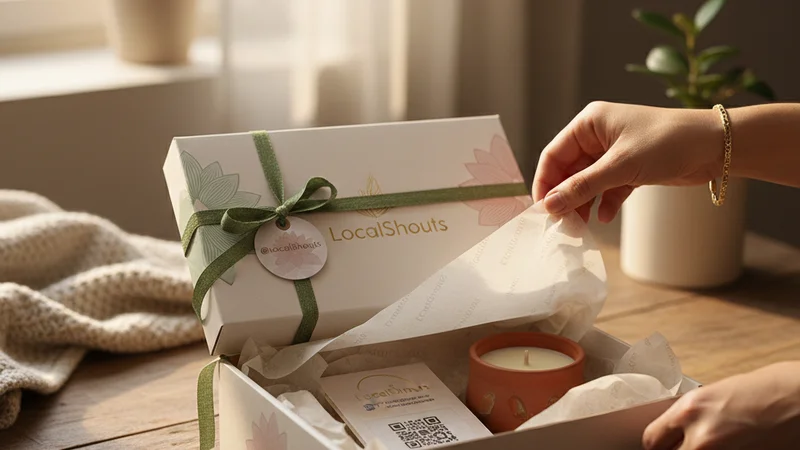
They also listed their business on LocalShouts (https://www.localshouts.com) —a platform that helps local businesses get discovered faster. Their humorous tone stood out there too, attracting users searching for “fun cafes near me.”
Chapter 8: Using Trends to Stay Viral
Every time a trending meme format or audio clip appeared, BrewBuzz adapted it creatively:
- “Types of customers before coffee” reel (3M+ views)
- “Barista reactions to extra sugar orders” meme series
- “If coffee brands were people” post
They stayed relevant without forcing trends—just aligning humor with their café culture.
Chapter 9: Collaborations That Added More Laughs
Instead of traditional influencer marketing, BrewBuzz collaborated with local comedians and meme pages.
They hosted “Open Mic Coffee Nights”—where every performer got a free drink. These events drew young crowds and tons of tagged posts.
They also launched a mini campaign:
“Laugh, Sip, Repeat”
Encouraging customers to share their funniest café moments on Instagram.
The campaign brought in over 500 user-generated stories in a single month.
Chapter 10: The Results Speak (and Laugh)
In just 12 months of humor marketing, BrewBuzz Café’s resulted in:
- Instagram following: 400 → 35,000+
- Monthly walk-ins: 2x increase
- Brand mentions: Mentioned in 3 Pune lifestyle blogs
- Customer retention: 40% repeat customers in 3 months
Their relatively quiet café became a community destination all in the name of laughter, creativity, and coffee.
Chapter 11: Lessons from BrewBuzz Café’s Success
1. Humor connects to build loyalty, not just attention.
People follow a page when they are feeling something. Emotion translates into loyalty, and humor evokes that emotion.
2. Authenticity beats perfection.
Raw, funny content will outperform perfection, no question!
3. Consistency keeps your audience engaged.
Having set times to post had a huge payoff, as audiences are anticipating your content.
4. Engage playfully.
Witted replies and witty comments helps to humanize a new bond.
5. Embedding humor into the brand experience.
From packaging to signage to interaction, the personality of the brand was delivered.
Conclusion: Laughter Can Be a Business Strategy
In a crowded café market, BrewBuzz proved that humor can be the best marketing ingredient. By staying relatable, playful, and true to their brand voice, they built not just followers—but fans.
As Aditi says,
“We realized people don’t come here just for coffee—they come for the vibe, the laughs, and the energy.”
For small businesses in India, humor isn’t just for entertainment—it’s a growth strategy waiting to be brewed.
FAQs
1. Why did BrewBuzz Café use humor instead of regular ads?
They noticed that funny and relatable posts got higher engagement and shares compared to traditional offers or promotional posts.
2. How often did they post on social media?
Around 4–5 times a week with a consistent theme and voice.
3. Did humor actually increase sales?
Yes, footfall nearly doubled as online engagement translated into café visits.
4. What platforms worked best?
Instagram, Google My Business, and LocalShouts helped them reach both local and digital audiences.
5. Can humor work for other small businesses?
Absolutely—any brand can use humor that fits its audience’s daily life and emotions.
6. How did they maintain consistency in tone?
They created a brand “rulebook” — every post had to sound like a funny friend, not a corporate ad.