Introduction
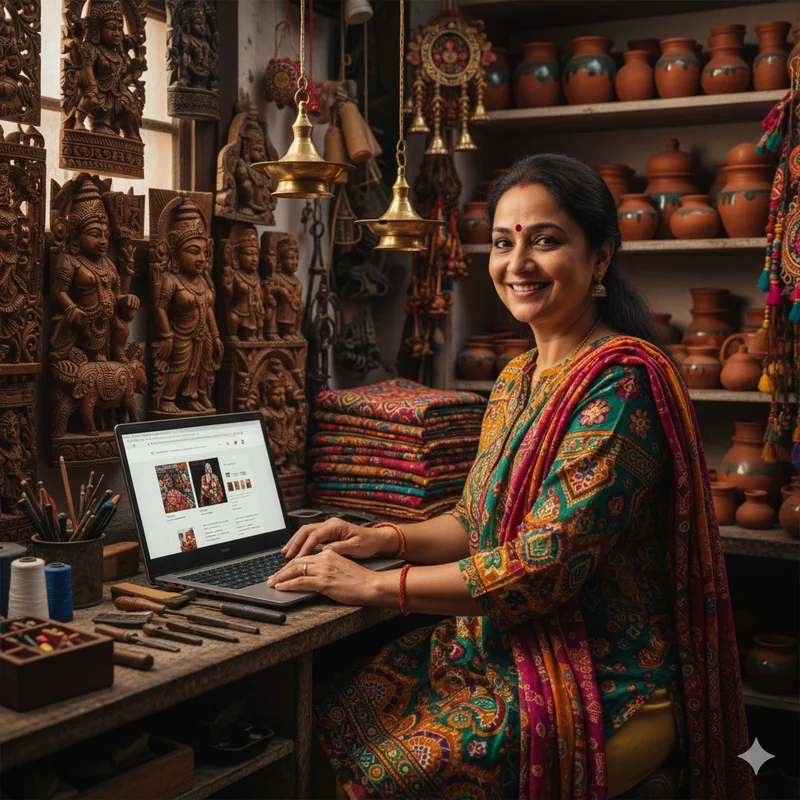
In a village in Rajasthan, a local handicraft store named Rachna Creations was selling hand-carved wooden décor, embroidered textiles, and traditional Rajasthani artwork. Tourists loved the shop, but like many other small businesses located in India, the owner faced a significant hurdle to keep her store's sales happening during off-season months when there are lesser numbers of tourist visits.
The hurdle was what pushed the owner, Meera, to start her business online. What was a small trial project turned into an incredible global success. Within two years, her handicraft store was shipping products to more than 20 countries and her sales had grown by more than five times.
This is the story of how one small-town entrepreneur utilized digital tools, a website, social media and e-commerce platforms to create a global business that started as a local handicraft store - and how you can do the same with the help of platforms such as LocalShouts (https://www.localshouts.com).
Understanding the Challenge: Going Beyond Local Markets
For many years, Meera operated solely on walk-in customers. Most of those customers were tourists who came through town and happened to admire a piece of her handmade art. After the pandemic hit and tourism slowed way down, business came to an almost stop.
Meera realized that even though she made some of the most unique and beautiful items, there were only a few people outside her town who knew who she was and what she made. Her mind turned to this, "What if I could show these crafts to people in the rest of the world?"
That very question was the genesis of her road to the digital world.
Many small and micro businesses in India share this same predicament: limited visibility outside their local market. When they have neither a website nor any digital presence, they can only rely on local buyers. With the world now being digital, there are ways of getting that exposure that opens up opportunities that weren't possible before.
Businesses such as LocalShouts (https://www.localshouts.com) make it easier than it has ever been for small businesses to get exposure and visibility in their local markets and across the world — through well-planned listings, visibility tools, and even from location-based searches.
Step 1: Building an Online Presence
Meera began with something simple — a Facebook page. She posted pictures of her products, told short stories about each craft, and shared behind-the-scenes videos of artisans at work.
Soon, people started commenting and asking if she could ship to their city. That’s when she realized the power of online engagement.
Encouraged by the response, she decided to take the next step: creating a professional website.
Her website became a digital storefront. It showcased her collections with high-quality photos, clear pricing, and a simple “buy now” option linked to PayPal and Indian payment gateways. She also added an “About Us” section, sharing her vision for preserving traditional Indian art.
Having a website instantly added credibility. Customers who had never met her could now see her brand, read reviews, and shop confidently.
If you’re a small business owner, setting up a website doesn’t need to be complex. With platforms like LocalShouts (https://www.localshouts.com), you can build an online presence that helps you reach both local and international buyers — without expensive marketing.
Step 2: Using E-commerce Marketplaces to Go Global
After setting up her website, Meera listed her products on major e-commerce platforms like Etsy, Amazon Handmade, and IndiaMART.
Each platform came with its own learning curve — product photography, keyword optimization, pricing, and shipping. But once her listings went live, orders began to trickle in from places like Dubai, London, and New York.
Her colorful hand-painted trays and embroidered cushion covers became popular among global customers looking for “authentic Indian handicrafts.”
Within six months, her average monthly orders grew by 250%.
The key was visibility. Global buyers discovered her store through product tags and keywords like “handmade Indian décor,” “Rajasthani handicraft,” and “artisan-made gifts.”
If you’re running a handicraft or local product business, joining online marketplaces is a simple way to reach a worldwide audience. Combine it with a Google My Business profile and listing on LocalShouts (https://www.localshouts.com) for local credibility and organic discovery.
Step 3: Leveraging Social Media for Storytelling
Meera’s next big breakthrough came from Instagram and YouTube Shorts.
She started sharing short videos showing artisans painting pottery, stitching textiles, and hand-carving wood. These reels attracted thousands of views because they were authentic and visually rich.
People love stories behind the products they buy. By showcasing the art and the artisans, Meera wasn’t just selling items — she was selling emotion, tradition, and culture.
Social media gave her brand personality and trust. Customers began tagging her in their home décor posts, helping her reach even more people through user-generated content.
Soon, Meera collaborated with a few micro-influencers who featured her handicrafts in their home styling videos. That organic exposure led to a surge in followers and repeat customers.
Key tip: Don’t just post product photos. Tell stories. Show how your products are made, who makes them, and why they matter. That’s what sets small Indian businesses apart from mass-produced brands.
Step 4: Managing Logistics and Customer Experience
Going global meant learning about packaging, shipping rates, customs, and international payments — things that can intimidate small business owners.
To simplify operations, Meera partnered with logistics providers that specialize in global deliveries. She also used a simple CRM tool to track orders, reply to customer queries, and manage feedback.
Within months, her operations became smoother. Customers appreciated timely deliveries and responsive communication.
She learned one golden rule: Even one bad review online can cost a dozen potential buyers. So, every order was handled carefully, with attention to detail.
Platforms like LocalShouts (https://www.localshouts.com) can help small business owners learn about such best practices through local community listings, guides, and success stories — helping them avoid costly mistakes while scaling online.
Step 5: Expanding Through Digital Advertising
As orders grew, Meera decided to invest a small budget into digital ads — mainly on Facebook, Instagram, and Google.
She targeted keywords like “buy Indian handicrafts online” and “handmade Rajasthani home décor.”
Her ads reached art lovers, interior designers, and gift buyers abroad. Every ₹1,000 she spent brought her around ₹6,000 in returns.
She also used Google My Business to attract domestic buyers searching for “handicraft stores near me.” This mix of local SEO and international outreach gave her both online and offline customers.
The strategy was clear: use affordable digital tools to get seen, stay authentic, and deliver excellence.
Step 6: Building a Recognizable Brand
Within two years, Rachna Creations transformed from a small-town shop into a brand recognized for authentic Indian craftsmanship.
She designed a logo, consistent color palette, and packaging that reflected her brand story. Every order included a handwritten thank-you note — a small touch that customers loved and often shared on social media.
This personal, human approach helped her stand out in a crowded digital market.
In time, Meera even received bulk orders from boutiques in Singapore and Dubai that wanted to stock her products. Her business wasn’t just surviving — it was thriving globally.
Lessons for Small Businesses in India
Meera’s story offers valuable lessons for every local entrepreneur:
- Start Small, but Start Digital: Don’t wait for perfect timing. Even a simple online listing can open doors.
- Show Authenticity: Share your process, people, and passion. Customers connect with real stories.
- Use Affordable Tools: From free Google My Business profiles to platforms like LocalShouts, there are low-cost ways to build presence.
- Be Consistent: Post regularly, reply to queries quickly, and maintain visual consistency.
- Keep Learning: Explore analytics, SEO, and new platforms — the more you know, the more you grow.
How LocalShouts Helps Businesses Like This
If you’re a local entrepreneur in India looking to grow your digital footprint, LocalShouts (https://www.localshouts.com) is built exactly for you.
It helps you:
- Create a verified business listing that increases your local visibility on Google and maps.
- Showcase your services, products, and contact details in one trusted platform.
- Build credibility and trust with local customers through reviews and ratings.
- Connect with buyers nearby who are actively searching for your kind of business.
- Get marketing insights through digital visibility tools that small businesses can actually use.
With LocalShouts, you don’t need to be a tech expert. It’s designed to make digital growth simple, affordable, and local-first.
Conclusion
Meera's success with her handicrafts shop demonstrates a simple truth: you don't need to be a big brand to sell around the world. You just need the right mindset and digital tools.Every step you take — building a website and establishing a social media presence or listing on LocalShouts ( https://www.localshouts.com ) — will bring you closer to visibility, credibility, and growth.Today, the world is connected more than ever — and your small business can too. Whether you sell crafts, food, clothing, or services your next customer could be around the corner... or the world.
Start where you are. Use what you have. And let your story inspire others — as Meera's story has inspired you.
FAQs
1. How can small handicraft stores start selling online?
Start with a simple website or social media page showcasing your products. Then, register on e-commerce platforms like Etsy or IndiaMART, and list your business on LocalShouts (https://www.localshouts.com) to increase your visibility.
2. What kind of photos work best for online handicraft sales?
Use clear, high-resolution images with natural lighting. Show close-up details, multiple angles, and scale (e.g., placing an item on a table for reference). Authentic, unedited photos work best.
3. How can small businesses handle international shipping easily?
Partner with logistics companies that specialize in export shipping or use fulfillment services offered by marketplaces like Etsy or Amazon. Always factor in shipping costs before pricing your products.
4. Why is storytelling important for handicraft businesses?
Storytelling adds emotion and connection. When customers understand the cultural and handmade value of your product, they’re more willing to buy and recommend it.
5. Can I promote my handicraft business locally and globally at the same time?
Yes. Use local SEO and Google My Business for domestic buyers, while using online marketplaces and social media to reach international audiences.
6. How does LocalShouts help small businesses grow?
LocalShouts (https://www.localshouts.com) connects local businesses with nearby and online audiences, helping them get discovered through listings, maps, and customer reviews — boosting both trust and reach.