Introduction
In India's rapidly changing retail landscape, independent businesses struggle to compete with national online marketplaces or e-commerce platforms. The challenge is compounded for toy stores, as established national e-commerce platforms and other players such as Amazon and FirstCry compete to appeal to local families. When tiny stores, like a toy store in Bengaluru, find a way to reach thousands of parents online, even without huge ad spend, their story is inspiring. This is the story of TinyTales Toy Store: a local toy store that became recognized for creative and smart influencer marketing by going from a small local corner store to one of the most beloved children's stores in its city. Using influencers, brand collaborations, community engagement, and digital visibility through LocalShouts (https://www.localshouts.com), they built a local destination brand parents could trust. Let’s unpack the story step by step.
The Beginning: A Family Store with Big Aspirations
Meera and Kunal, having a zeal for early childhood education, started TinyTales Toy Store in 2017. They aimed to provide more than just plastic toy products; they wanted to focus on developing, safe, and creative play products for children under 10.
Their store located in Jayanagar gained quick traction with parents living nearby who liked their selection of wooden puzzles, STEM kits, and activity boxes. It wasn’t long until they realized something significant — parents were now sourcing products mainly from online searches, either from social media pages or through local parenting communities.
They decided the best course of action was to pivot to digital marketing and provide the same products in an online format. However, instead of paying for advertisements, they wanted to approach a more organic route — using influencer collaborations.
Step 1: Understand their Audience
Before contacting influencers to help them market TinyTales, Meera spent time inside their ideal customer demographic — mothers 25-40-years-old, living in the city of Bengaluru, mainly working professionals who were looking for good quality, safe, and educational toys for their children.
During her month of studying parenting communities and Facebook parenting groups, she began to notice a trend amongst parents asking each other for recommendations on toys. The same three or four mom bloggers and child educators were mentioned over and over again as credible sources.
That immediately helped Meera realize something — if those influencers provided a recommendation about TinyTales, parents would listen.
Step 2: Identifying the Right Influencers
Instead of chasing celebrities or large influencers, TinyTales focused on micro-influencers — moms, teachers, and early childhood content creators with 5,000–30,000 engaged followers.
Meera shortlisted local names like:
- Parenting vloggers who reviewed baby and toddler products
- Montessori teachers sharing educational toy ideas
- Lifestyle influencers based in Bengaluru
The goal was not reach, but relevance. They wanted voices that genuinely connected with parents and could share honest opinions.
Step 3: The First Collaboration
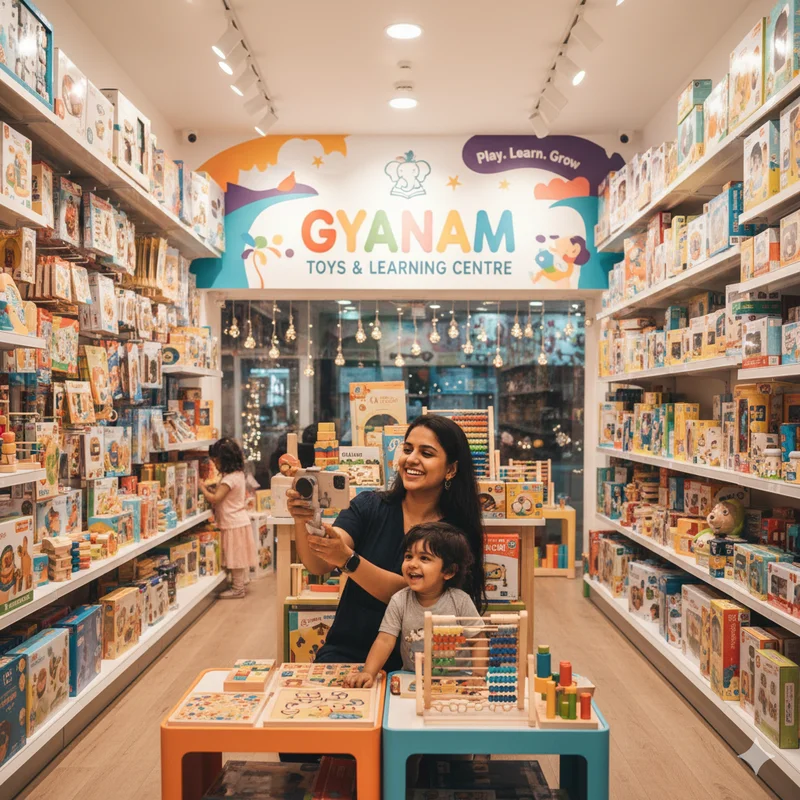
Their first partnership was with “MommyDiariesWithRiya,” a Bengaluru-based mom influencer known for her parenting tips. TinyTales invited her to visit the store with her 5-year-old daughter.
They filmed her exploring the shop, asking about eco-friendly toys, and sharing her child’s excitement. The short Instagram video was simple but authentic.
Within a week:
- The video received 12,000+ views
- Over 50 parents messaged TinyTales on WhatsApp asking for products featured in the video
- Their store’s Google My Business page saw a 40% increase in visits
It was clear: this strategy worked.
Step 4: Setting Up a Digital Presence First
To make the most of influencer reach, TinyTales ensured their online presence was ready for visitors. They:
- Created a complete Google My Business profile with updated photos, address, and store hours.
- Added product highlights and offers as GMB posts.
- Registered on LocalShouts (https://www.localshouts.com) to appear in local searches like “toy shops near me” and “educational toys in Bengaluru.”
- Added a WhatsApp Business catalog for easy ordering.
That way, whenever influencers tagged them, interested parents could quickly find verified information, read reviews, and message the store directly.
Step 5: Running a “Play & Learn” Influencer Event
After a few successful collaborations, TinyTales decided to host a “Play & Learn” event for parents and kids. They invited 10 parenting influencers to the store for a hands-on session featuring puzzles, building blocks, and storytelling toys.
Each influencer brought their kids, recorded videos, and posted stories using hashtags like #TinyTalesToys and #PlayWithPurpose.
This event generated:
- 25+ organic posts across Instagram and YouTube
- 100,000+ combined video views
- A spike in walk-ins during the following weekend
But more importantly, the event built trust and emotional connection. Parents saw real kids enjoying the toys — not staged advertisements.
Step 6: Offering Influencers Value (Not Just Free Toys)
TinyTales understood that genuine influencers value collaboration over freebies. So instead of giving random products, they offered:
- Customized toy kits based on each influencer’s child’s age
- Store vouchers to give away to followers
- Commission-based affiliate links for online referrals
This win-win approach encouraged influencers to create authentic, long-term content rather than one-time promotions.
Step 7: Combining Influencer Marketing with Reviews
After each influencer campaign, Meera encouraged buyers to leave reviews on Google and LocalShouts (https://www.localshouts.com).
Parents mentioned influencers in their reviews — “Saw this on MommyDiariesWithRiya, bought it, and my child loves it!” — which made new buyers more confident.
By combining influencer trust with verified online listings, TinyTales built credibility across multiple touchpoints.
Soon, their store had over 300 five-star reviews and ranked among the top local toy stores on Google search.
Step 8: Expanding Through Local Communities
The couple didn’t stop there. They collaborated with:
- Preschools and Montessori centers, offering small workshops and discounts for parents.
- Parenting bloggers who ran gift giveaways before festivals like Diwali and Children’s Day.
- LocalShouts (https://www.localshouts.com) campaigns that featured them in “Top Kids Stores in Bengaluru” listings.
Each effort increased their discoverability while keeping costs minimal.
Step 9: Measuring Success
Influencer marketing isn’t about vanity metrics—it’s about meaningful outcomes. TinyTales tracked:
- Store visits after influencer posts
- WhatsApp inquiries through catalog links
- LocalShouts analytics showing profile views and click-throughs
- Repeat buyers mentioning influencer recommendations
Within six months:
- Sales grew by 180%
- Their WhatsApp contact list tripled
- 60% of new customers discovered them through social media
The most powerful result, though, was brand recognition — parents started trusting TinyTales as a “recommended store,” not just another shop.
Step 10: Going Beyond Bengaluru
After success in their local area, TinyTales began shipping toys across India. They used influencer collaborations in other cities, sending small PR boxes to mom creators in Delhi, Mumbai, and Chennai.
By tagging their LocalShouts listing, they built consistent brand visibility everywhere.
Today, their candles, puzzles, and DIY kits reach homes nationwide—all thanks to influencer-led local marketing and smart digital presence.
Lessons from TinyTales’ Growth Journey
- Micro-influencers are powerful: You don’t need celebrities. Genuine voices with smaller but loyal audiences build better trust.
- Be present online before collaborating: Platforms like LocalShouts and Google My Business ensure customers can find and verify you easily.
- Create real experiences: Events, playdates, and live sessions drive authentic engagement.
- Combine offline charm with online storytelling: A small toy shop can still feel magical online if presented with warmth.
- Track results: Measure sales, reviews, and leads — not just likes or shares.
Why Influencer Marketing Works for Small Businesses
Influencer marketing is effective because it is part trust, part relatability, and part community — all things small enterprises are already good at.
For parents, receiving advice from another mom or educator is far more credible than any advertisement. They value an honest point-of-view much more than an advertise-driven ideal. Again, TinyTales influencer strategy was effective because:
- Their message was simple: "Play with purpose."
- Their influencers were genuinely aligned with their beliefs.
- Their evidence of authenticity was backed up based on their digital identities.
This mix of social proof and digital assessability made them grow much faster than they initially envisioned.
The Role of LocalShouts in Their Success
LocalShouts (https://www.localshouts.com) played an important role by making TinyTales visible to potential customers in their location. LocalShouts verified TinyTales as a local business by listing valid contact information, accepting delivery requests through WhatsApp, and ensuring their business showed up in local search results instead of non-listed business competitors and ads.
Parents were able to check reviews, and directions, and further connect through WhatsApp in a matter of minutes — helping ensure that the influencer marketing turned into real visitation to their store and sales.
Platforms like LocalShouts are fast becoming vital platforms for small-scale Indian businesses that want to reach their target audience in close proximity for very low media or advertisement costs.
Future Plans for TinyTales
The couple plans to launch their own line of eco-friendly educational toys under the TinyTales brand. They also aim to:
- Collaborate with child psychologists and play therapists for expert-led campaigns
- Introduce a “Play Partner Program” on LocalShouts, connecting toy makers with stores
- Host live storytelling sessions online and offline
Their dream? To make TinyTales a household name for learning-based toys — built by community, not corporate marketing.
Conclusion
The journey of TinyTales Toy Store proves that small businesses in India can achieve big things with creativity and connection. By using influencers strategically, they transformed their store into a community brand that parents trust and kids love.
Their story is a reminder that digital growth doesn’t always require huge budgets — just the right partnerships, authentic storytelling, and consistent visibility.
If you own a local business — whether it’s a toy shop, café, or clothing boutique — take inspiration from TinyTales.
- Build a professional online profile with LocalShouts (https://www.localshouts.com).
- Collaborate with voices who share your passion.
- Tell your story honestly.
When trust meets technology, small businesses can shine brighter than ever.
FAQs
1. What is influencer marketing for small businesses?
It’s when local entrepreneurs collaborate with creators or social media influencers to promote products authentically to their audience.
2. Why did TinyTales choose micro-influencers instead of celebrities?
Micro-influencers have higher engagement and local trust. Parents relate more to real moms and educators than to famous personalities.
3. How did LocalShouts help TinyTales grow?
LocalShouts (https://www.localshouts.com) increased their online visibility, provided a verified business listing, and helped convert influencer-driven awareness into actual store visits.
4. What kind of content worked best for them?
Short videos showing kids playing, behind-the-scenes clips from events, and influencer product reviews performed best on Instagram and YouTube.
5. Can influencer marketing work for non-toy businesses?
Yes. Any small business — from bakeries to salons — can use local influencers to reach relevant audiences and build credibility.
6. How can I find influencers for my small business?
Start by checking local hashtags (#MomBloggerIndia, #SmallBizBangalore), join Facebook groups, or explore LocalShouts collaborations to identify trusted community voices.