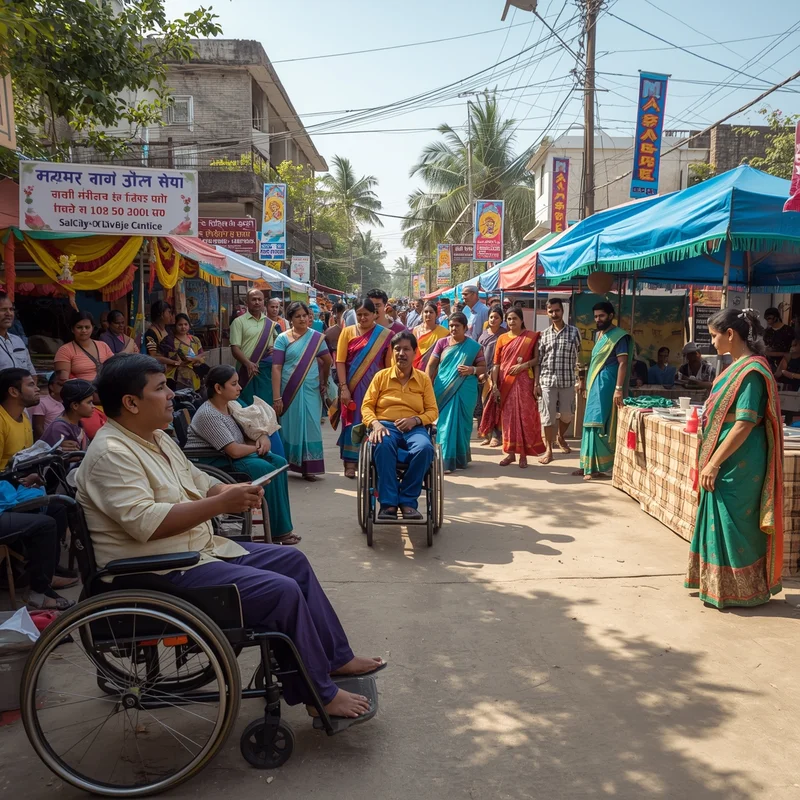
Hosting local events is one of the most effective ways for small and micro businesses in India to connect with their community, showcase their brand, and build relationships. But to make a real impact, your event must be accessible to everyone—regardless of age, ability, background, or income level. Accessibility is not just about ramps and signs; it’s about inclusion, awareness, and respect for the diverse people who make up your local audience.
In this article, we’ll explore how you can make your local events more inclusive, practical steps to ensure accessibility, and how digital tools like LocalShouts (https://www.localshouts.com) can help you plan, promote, and share your events effectively.
Why Accessibility Matters for Local Events
Accessibility goes beyond legal compliance—it’s about creating a welcoming environment for all community members. When everyone can participate comfortably, your event’s reach, reputation, and impact multiply.
For small businesses, accessible events mean:
- More attendees: People with diverse needs can join without barriers.
- Positive reputation: Your business is seen as inclusive and community-focused.
- Increased engagement: More people share and talk about your event.
In India’s growing local markets, where small businesses rely heavily on word-of-mouth and repeat visitors, inclusivity isn’t just a nice gesture—it’s a business advantage.
Platforms like LocalShouts (https://www.localshouts.com) make it easier for organizers to highlight accessibility features, reach local audiences, and gather feedback after events.
Understanding Accessibility in the Indian Context
Accessibility means creating an environment where everyone—regardless of physical, sensory, or cognitive limitations—can participate fully.
In India, this includes addressing the needs of:
- People with physical disabilities (mobility issues, wheelchair users)
- Visually impaired individuals
- Hearing-impaired participants
- Elderly attendees
- Children or caregivers attending with family members
- People from different linguistic or economic backgrounds
Making your event accessible is not about perfection—it’s about progress. Small, thoughtful changes can make a big difference in how comfortable and included people feel.
Choosing an Accessible Venue
The first step in hosting an inclusive event is choosing the right venue. Before finalizing your location, ask these key questions:
Is there step-free access?
Ensure ramps, elevators, or level pathways are available for wheelchair users or those with limited mobility.
Are restrooms accessible?
Accessible restrooms with grab bars and enough turning space are essential.
Is there proper signage?
Clear, visible, and multilingual signs make navigation easier for everyone.
Is there enough lighting and ventilation?
Proper lighting helps visually impaired participants, while good ventilation ensures comfort for large crowds.
Is the venue close to public transportation?
Choosing a location near metro stations or bus stops encourages higher attendance and convenience.
By checking these factors, you make sure your event welcomes everyone — not just those who can easily access premium venues.
Designing Inclusive Event Communication
Accessibility isn’t only about the physical space—it’s also about communication. The way you share information about your event determines who feels invited.
Here’s how to ensure your event promotion is inclusive:
Use simple language: Avoid jargon and keep your messages easy to understand.
- Offer materials in multiple formats: Posters, digital flyers, and videos can help reach people with different needs.
- Add captions or subtitles: If you’re promoting your event through social media videos, include captions for hearing-impaired viewers.
- Provide language options: If your audience is multilingual, consider offering content in local languages like Hindi, Marathi, or Tamil.
- Mention accessibility features clearly: Note if the event offers wheelchair access, sign language interpretation, or child-friendly facilities.
Platforms like LocalShouts (https://www.localshouts.com) allow you to list and promote local events while highlighting accessibility details—ensuring everyone in your area knows they are welcome.
Affordable Accessibility Solutions for Small Businesses
Many small business owners assume that making events accessible is expensive. The truth is, you can take meaningful steps without spending a lot.
Here are low-cost ideas:
- Use portable ramps instead of permanent installations.
- Print large-font signage for easy readability.
- Arrange volunteers to assist attendees who need help.
- Ensure seating variety—provide chairs with and without arms, and space for wheelchairs.
- Offer drinking water and shade, especially for outdoor events.
- Use local languages in announcements and signs to make everyone feel included.
Accessibility doesn’t have to be complicated—it’s about empathy, planning, and resourcefulness.
Using Technology to Improve Accessibility
Digital tools can make your event experience smoother for everyone. Before, during, and after your event, technology can bridge accessibility gaps.
Before the event:
- Use Google Maps and event platforms like LocalShouts (https://www.localshouts.com) to share location details and accessibility information.
- Allow online RSVPs so attendees can inform you of special needs in advance.
- Offer virtual participation options like live streams for those unable to attend physically.
During the event:
- Use microphones and speakers for better sound clarity.
- Display presentations on large screens with readable fonts.
- Offer QR codes linking to event materials for easy access.
After the event:
- Share recordings or highlights online for those who missed it.
- Request feedback about accessibility to improve future events.
Using technology shows your commitment to inclusion while helping your event reach more people.
Training Your Event Team
Accessibility begins with awareness. Train your staff and volunteers to assist people with different needs respectfully.
Here are key training points:
- How to communicate with individuals who are deaf or hard of hearing.
- How to guide visually impaired attendees safely.
- How to assist wheelchair users without making them uncomfortable.
- How to respond to emergencies involving people with disabilities.
Encourage your team to be patient, empathetic, and proactive. Even small gestures — like helping someone find their seat or explaining the schedule clearly — can make attendees feel valued.
Creating a Sensory-Friendly Environment
For many attendees, especially children, elderly people, or those with sensory sensitivities, event environments can be overwhelming.
To make your event more comfortable:
- Keep noise levels moderate.
- Use warm, non-flashing lighting.
- Provide quiet zones or rest areas.
- Avoid strong scents that could cause discomfort.
A sensory-friendly setup ensures everyone, including neurodivergent attendees, can enjoy the event peacefully.
Collaborating with Local Nonprofits and Accessibility Experts
You don’t have to do it alone. Partnering with local NGOs or disability rights groups can provide expert insights and credibility to your event.
For example, organizations that work with people with disabilities can:
- Help you identify common accessibility barriers.
- Provide trained volunteers.
- Spread awareness about your inclusive efforts.
Listing your event on LocalShouts (https://www.localshouts.com) and collaborating with local partners shows that your business takes inclusion seriously—building stronger community ties in the process.
Measuring the Success of Accessibility Efforts
After the event, evaluate what worked and what didn’t. Use feedback forms, comment boxes, or short surveys to gather opinions.
Ask questions like
- Did you face any difficulty attending the event?
- Was the venue comfortable and easy to access?
- How can we make future events more inclusive?
Continuous improvement is key. Each event becomes more inclusive as you learn from experience.
The Role of Digital Platforms Like LocalShouts
Digital platforms can help small and micro businesses spread awareness about accessible events efficiently.
LocalShouts (https://www.localshouts.com) allows you to:
- Promote local events to nearby audiences.
- Showcase accessibility features (like wheelchair access, child-friendly spaces, or free entry).
- Connect with other organizers or nonprofits working toward inclusive community growth.
By sharing your accessible events online, you not only reach more people but also inspire other businesses to adopt similar practices.
Conclusion
Making local events accessible for everyone is not just a social responsibility — it’s a smart business strategy that creates deeper connections and a more loyal community. Every person who feels welcomed at your event becomes a potential long-term supporter of your business.
Accessibility shows empathy, strengthens your reputation, and builds trust — three things every small and micro business in India needs to thrive.
With thoughtful planning, local partnerships, and support from platforms like LocalShouts (https://www.localshouts.com), you can ensure your events are open, inclusive, and memorable for everyone.
When businesses include everyone, communities grow stronger together.
FAQs
1. What does accessibility mean for local events?
Accessibility means making sure everyone, including people with disabilities or special needs, can participate comfortably and equally in your event.
2. How can small businesses afford to make events accessible?
You can take low-cost steps like using ramps, providing large signs, offering volunteer assistance, and using local languages — all of which improve accessibility without major expenses.
3. Why is accessibility important for community events?
Inclusive events attract more attendees, improve your reputation, and show your business cares about all members of the community.
4. How can technology help make events more accessible?
Digital tools like online registration, event listings on LocalShouts (https://www.localshouts.com), and live streaming can help people access your event more easily.
5. What are some accessibility mistakes to avoid?
Ignoring signage, poor lighting, no accessible restrooms, or forgetting to mention accessibility features in promotions can limit attendance.
6. How can I promote my accessible event effectively?
Share event details on social media and platforms like LocalShouts, clearly mentioning accessibility features to attract a wider audience.