Local fairs have always been at the heart of community life. From food stalls and games to live performances and crafts, these events bring together families, neighbors, and small businesses in a fun, festive atmosphere. But for many communities in India, local fairs still struggle to be truly family-friendly. Creating a welcoming, inclusive, and safe environment where parents can relax and kids can have fun can transform a simple fair into a must-attend event.
This article explores how organizers and small business owners can make their local fairs more enjoyable and accessible for families while also increasing attendance and community engagement.
Whether you’re planning a cultural mela, seasonal fair, or market event, making it family-friendly doesn’t just improve the visitor experience—it helps local vendors and sponsors gain more exposure. With the right planning and digital support from platforms like LocalShouts (https://www.localshouts.com), even small-town fairs can turn into beloved community traditions.
Why Family-Friendly Fairs Matter
When families feel welcome at an event, they tend to stay longer, spend more, and return the next time. Parents look for safe, engaging spaces for their children, while teens and grandparents enjoy being part of something that reflects local culture.
Creating family-friendly experiences isn’t just about adding fun elements—it’s about designing every part of the fair with comfort, convenience, and inclusivity in mind. From entry management and food options to entertainment and digital promotions, everything plays a role.
A fair that caters to all age groups fosters a stronger sense of community and helps local vendors build relationships with customers who share the same neighborhood or city.
1. Choose the Right Venue
The foundation of a family-friendly fair lies in its location. The venue should be spacious, safe, and easily accessible.
Key considerations:
- Ensure there’s enough space for strollers and wheelchairs.
- Choose a location with parking availability or easy public transport access.
- Provide separate zones—food, play, relaxation, and entertainment—so families can navigate easily.
- Have clear signage and pathways, especially for restrooms and exits.
By prioritizing accessibility, you make your fair inclusive for everyone, including the elderly and people with disabilities.
2. Offer a Variety of Family Activities
Diversity in activities keeps families engaged. Think beyond just rides and games—aim to include something for every age group.
Ideas for family-focused attractions:
- Kids’ zones with art workshops, storytelling sessions, or science experiments.
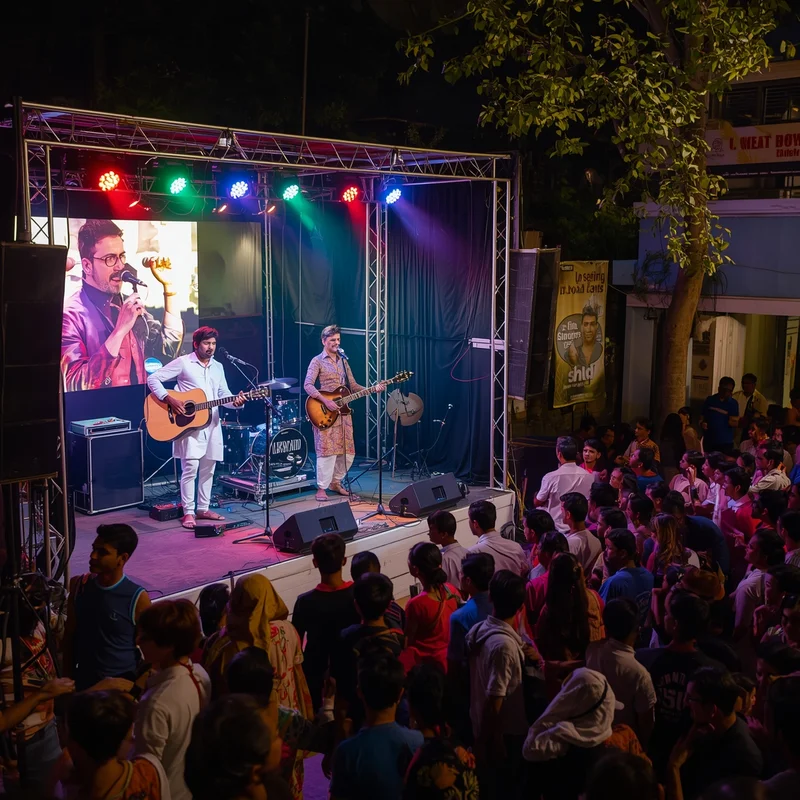
- Teen zones featuring music performances, local competitions, or photo booths.
- Parents’ lounge areas with seating, refreshments, and shade.
- Craft stalls where children can learn from local artisans.
These experiences not only entertain but also promote local culture and talent. Small vendors can collaborate with organizers to run mini workshops or demonstrations, gaining visibility and sales opportunities.
3. Ensure Food Options for All Ages
Food is always a major attraction, but it’s also an area that requires special attention when families are involved. Parents often seek hygienic, nutritious, and child-friendly options.
Tips for curating family-friendly food stalls:
- Include healthy snacks and fresh juice stands.
- Set up kid-sized meal portions and allergy-friendly options.
- Have local delicacies that reflect the area’s culture—it encourages community pride.
- Clearly label all food items to ensure transparency for families with dietary concerns.
Collaborating with local restaurants and small caterers through platforms like LocalShouts (https://www.localshouts.com) can help organizers discover verified food partners and promote them online before the event.
4. Focus on Safety and Cleanliness
Safety is non-negotiable, especially for events that attract children. One negative incident can affect community trust for years.
Essential safety measures:
- Adequate security personnel and volunteers trained to handle emergencies.
- First aid booths with trained staff.
- Clean restrooms with child-friendly facilities and changing areas.
- A lost and found counter with clear announcements.
Additionally, cleanliness plays a big role in comfort. Providing dustbins at every corner, regular waste collection, and well-maintained stalls ensures a pleasant experience.
5. Create a Welcoming Atmosphere
A fair’s atmosphere can make or break its success. Families should feel relaxed, not overwhelmed.
How to make it more welcoming:
- Play soft, upbeat music instead of loud, harsh sounds.
- Include comfortable seating areas for breaks.
- Encourage stall owners to decorate creatively to attract families.
- Have volunteers greet and guide visitors at entry points.
Small details like friendly signage, good lighting, and smiling volunteers can leave a lasting impression.
6. Use Digital Tools for Better Organization
Technology can simplify event management and enhance the visitor experience.
Digital strategies that help:
- Use digital ticketing systems to avoid long queues.
- Create a Google Map pin for easy directions.
- Set up a dedicated event page on LocalShouts (https://www.localshouts.com) to promote schedules, vendors, and family activities.
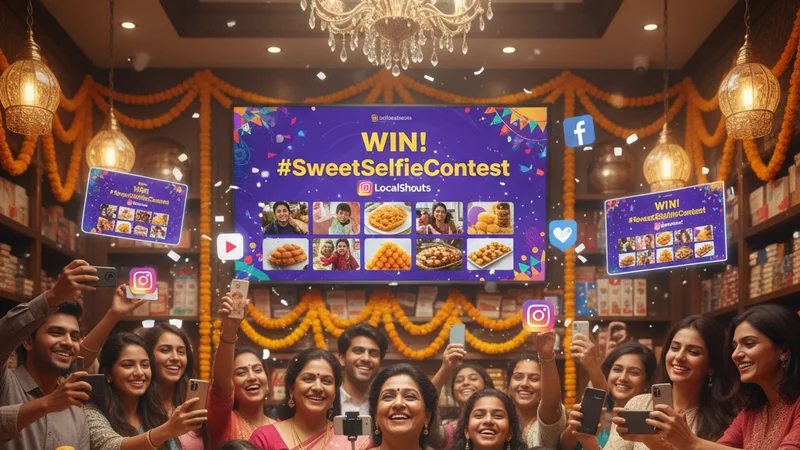
- Share updates and contests on social media to build excitement.
When families can find all event details online—timings, parking info, food stalls, and entertainment—it builds confidence and helps them plan their visit better.
7. Add Interactive Learning Experiences
Many parents prefer activities that are both fun and educational. Adding workshops or live demos can attract schools and family groups.
Examples:
- Gardening, pottery, or painting workshops.
- Science experiments for kids hosted by local educators.
- Local heritage walks or storytelling about the community’s history.
Such elements not only enrich the fair but also promote local knowledge and creativity. They give small business owners and artisans a chance to teach their craft while building relationships with potential customers.
8. Make It Inclusive for All
Accessibility is key to family-friendliness. This includes people of all abilities, ages, and backgrounds.
Steps to ensure inclusivity:
- Provide ramps and wide pathways for strollers and wheelchairs.
- Include sign language interpreters for stage events if possible.
- Offer quiet zones for people sensitive to noise.
- Encourage diversity in vendors and performers.
An inclusive fair not only welcomes more visitors but also strengthens the community spirit that events like these are meant to build.
9. Promote the Event Locally and Digitally
Even the best event needs visibility. Promoting through local networks and online platforms ensures more families know about it in advance.
Promotion strategies:
- Share posts on Facebook Groups and WhatsApp communities.
- List your fair on LocalShouts (https://www.localshouts.com) to reach nearby audiences.
- Collaborate with local schools, influencers, and businesses to spread the word.
- Highlight family attractions in all your promotions to attract parents specifically.
Consistency in promotion before and during the event can make a huge difference in turnout.
10. Gather Feedback After the Fair
Once the fair is over, it’s important to learn from your attendees. Ask families what they enjoyed and what could be improved.
Ways to collect feedback:
- Online surveys or QR codes at exit gates.
- Social media polls.
- Feedback forms on your LocalShouts event page.
Post-event insights can help you refine next year’s fair and ensure it becomes a long-standing favorite in your community.
Conclusion
A family-friendly fair is more than just an event—it’s an opportunity to strengthen community bonds, celebrate local talent, and create cherished memories. With thoughtful planning, safety measures, engaging activities, and digital visibility, any local fair can become a family favorite.
Platforms like LocalShouts (https://www.localshouts.com) make it easier than ever to plan, promote, and manage such events, ensuring that every detail—from food to fun—reaches the right audience.
By focusing on inclusivity, comfort, and engagement, you not only attract more families but also help local vendors and creators thrive.
FAQs
1. What makes a family fair and friendly?
A fair becomes family-friendly when it offers safe, accessible, and engaging experiences for all age groups—from children to grandparents—with clean facilities, diverse activities, and thoughtful organization.
2. How can small towns organize family-friendly fairs with limited budgets?
Partner with local businesses, volunteers, and community sponsors. Using digital promotion tools like LocalShouts helps reduce marketing costs while reaching a wider audience.
3. How do I ensure safety at a family-friendly fair?
Hire trained security, install first aid booths, and maintain clear communication systems. Having volunteers for crowd management and lost child assistance is essential.
4. What types of activities attract families the most?
Workshops, live performances, interactive games, food stalls, and cultural exhibits tend to engage families. Activities that combine fun with learning are especially popular.
5. How can I promote a local fair effectively?
Use social media, local influencers, and online platforms like LocalShouts to share event updates, photos, and registration links. Highlight family zones and activities in all marketing materials.
6. How does digital ticketing improve family attendance?
Digital tickets reduce wait times and confusion, making the entry process smoother. Families can book in advance, ensuring a hassle-free experience from the start.