Introduction
Even in traditional fields like music teaching, the fast-paced world around us has allowed educators to adapt to online platforms. This is the case of Riya Sharma, a committed music teacher in Pune who transitioned her traditional music classes into an online learning platform for students across India.
By using digital tools, social media, and platforms like LocalShouts (https://www.localshouts.com), Riya took her music teaching to a wider audience, increased her income beyond the local level, and encouraged a multitude of students to learn music from anywhere. This story illustrates how even small educators can broaden their influence and grow their business through digital efforts.
The Challenge: Limited Reach of Traditional Classes
Riya had been teaching music in her physical studio for over five years, but while she had a stable number of students, her reach was limited:
- Local Only: Riya’s students were from neighboring areas.
- Fixed Schedule: Only students able to attend classes physically could benefit.
- Limit of revenue: She could only accommodate the number of students allowed in the physical space.
Riya understood that if she wanted to grow her music teaching program, she needed to move beyond her studio location.
Step 1: Going Digital with Online Classes
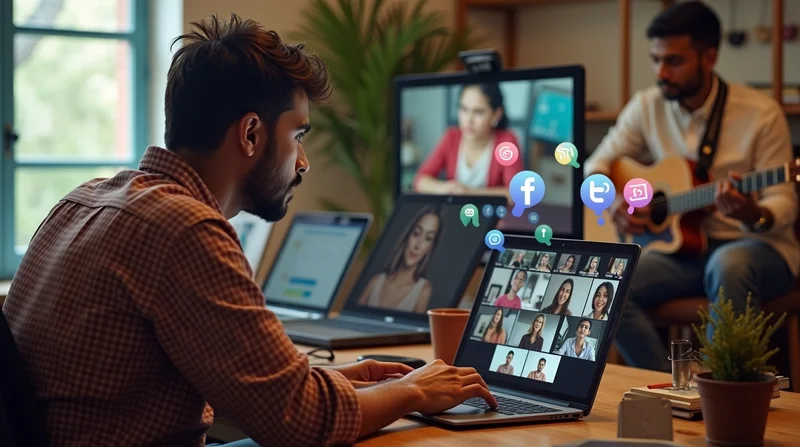
The first step was to set up online music classes using Zoom and Google Meet. Riya started small:
- Conducting one-on-one virtual sessions.
- Creating small group classes to maintain interaction.
- Recording sessions for students who couldn’t attend live classes.
This approach allowed her to teach students from other cities without any additional rent or commuting costs.
Step 2: Creating a Professional Online Presence
To be able to connect with new students, Riya required visibility. She concentrated on:
- Google My Business: Making a listing of her music services, schedule and any reviews you may have received.
- Website: A very simple website consisting of course offerings, pricing, a booking sheet, and her contact information.
- Social Media Pages: Pages on Instagram and Facebook that featured music tutorials, students performing, and live question-and-answer sessions.
A site like LocalShouts (https://www.localshouts.com) used Riya’s social media presence as a way for people looking for music classes to discover her, giving her an expanded local student base while she increased her profile online.
Step 3: Using Social Media to Engage Students
- Short video tutorials to assist beginners.
- Clips of her students performing so that others would be inspired.
- Tips on practice routines, instruments and vocal techniques.
- Instagram reels and stories of trending music exercises.
In this way, she engaged her audience, drew in followers, and signed them up for her classes online.
Step 4: Offering Free Workshops and Trial Classes
To build credibility and attract students, Riya offered free workshops online during weekends.
- Free 30-minute Trial Classes: Allowed potential students to experience her teaching style.
- Live Q&A Sessions: Answered queries on learning music from home.
- Mini Contests: Encouraged students to submit recordings, with recognition for the best performers.
These initiatives created buzz on social media and drove more sign-ups for paid courses.
Step 5: Collecting Testimonials and Reviews
Satisfied students were asked to provide testimonials, which Riya shared on:
- Her website
- Social media pages
- Google My Business and LocalShouts listings
Positive reviews enhanced her credibility and helped convert hesitant prospects into paying students.
The Results: Reaching Students Across India
Within a year of going online, Riya achieved remarkable results:
- Expanded Student Base: From 20 local students to over 150 online students nationwide.
- Revenue Growth: Monthly income increased by 300%.
- Social Media Following: Instagram followers grew to 8,000+, with active engagement.
- Recognition: Featured in local blogs and online music communities for her innovative approach.
Her success demonstrates that traditional educators can scale their impact using digital tools without losing the personal touch.
Lessons from Riya’s Journey
- Digital Platforms Expanded Your Reach: Online classes open the door to students beyond the local area.
- Professional Presence Builds Credibility: Websites, Google My Business, and social media listings help to build your credibility.
- Social Media Engagement Matters: Sharing regular posts, tutorials, and reels creates interest and engages students to keep them.
- Offer Buyers Value Upfront: Offering workshops, or trial sessions, can help turn prospects into paying students.
- Leverage Local Listings: LocalShouts (https://www.localshouts.com) can help with discovering locally, while also helping you grow online.
Conclusion
Riya Sharma's journey from local music teacher to online educator highlights the power of digital transformation for small businesses and home-based business professionals. By combining teaching and the art of the new market - smart digital marketing strategies - to learn and use platforms like LocalShouts, Riya was able to create a scalable, sustainable business model.
Riya's story serves as a powerful reminder that passion paired with the smart use of technology can eliminate geographic constraints while fostering growth and creating a pathway from being a local educator to a nationally engaged educator who has dreams to reach millions, starting with locally.
FAQs
1. In what ways might music teachers help build their student roster online?
By creating social media profiles, offering free trial lessons, posting tutorials, and creating a website that offers booking.
2. Is LocalShouts a good resource for educators?
Yes. LocalShouts (https://www.localshouts.com) supports small educators get discovered by local students searching for classes.
3. What social media content works best for music teachers?
Short video tutorials, student performances, tips, and live Q & A.
4. Are online music lessons as valuable as in-person music lessons?
Yes, because there are interactive sessions, small group classes, and recorded lessons for practicing.
5. How does a teacher efficiently get testimonial reviews?
They should ask satisfied students to leave reviews on Google, social media, and LocalShouts listings, and publicly share the reviews.
6. What are the advantages of hosting free workshops and/or free trial lessons or classes?
They attract potential students, provide insight into the instructor's teaching style, and help to build trust and enrollment.