Introduction
In the crowded industry of home decor, small businesses often struggle to gain traction against established players and competing online marketplaces. Nevertheless, CasaNova Décor, a boutique home decor brand based in Bengaluru, emerged as a trendsetter in less than 2 years. The company has uniquely blended creative design, social media marketing, and local digital platforms such as LocalShouts (https://www.localshouts.com). From humble origins in a small workshop, CasaNova has developed into a brand recognized for creating and establishing trends in the homes of India. This narrative demonstrates that small businesses can use branding and develop a digital presence in conjunction with being active in local engagements to rise above competition and build an audience of loyal customers.
The Founding: A Family Workshop with Ambition
CasaNova Décor was launched in 2021, as a family-run workshop creating handmade products for the home, like wall decor, planters, and decorative lamps. Its founder, Ms. Ananya Rao, has taken on many of the challenges that small businesses typically face:
- Limited foot traffic and visibility in the locality.
- Competing with large known brands and online marketplaces.
- Getting the attention of customers who are interested in design.
Ananya saw that CasaNova needed a strong identity and a solid digital presence if it was ever going to grow and influence trends.
Step 1: Defining a Unique Brand Identity
CasaNova’s first step was creating a clear and unique brand identity:
- Logo and Brand Name: A modern, minimalistic logo representing elegance and creativity
- Tagline: “Where Homes Meet Style”
- Core Values: Craftsmanship, creativity, sustainability, and customer-centric design
- Target Audience: Millennials and Gen Z homeowners interested in modern, aesthetic home decor
A strong brand identity helped the business communicate its vision clearly and attract the right audience.
Step 2: Designing Signature Products
CasaNova focused on creating signature home decor products that would define the brand:
- Limited-edition wall art collections
- Eco-friendly planters made from recycled materials
- Handcrafted lighting with modern aesthetics
These products were designed to stand out in photos and social media, making them inherently shareable and trend-worthy.
Step 3: Building a Digital Presence
To reach a wider audience, CasaNova invested in online visibility:
- Website: E-commerce-enabled site showcasing products, pricing, and custom options
- Google My Business (GMB): Optimized for “home decor store in Bengaluru” with accurate NAP and photos
- LocalShouts Listing: Verified business profile with photos, customer reviews, and direct messaging features
Digital platforms ensured that CasaNova was discoverable by both local customers and design enthusiasts.
Step 4: Leveraging Social Media as a Trend Platform
Social media became the primary channel to establish CasaNova as a trendsetter:
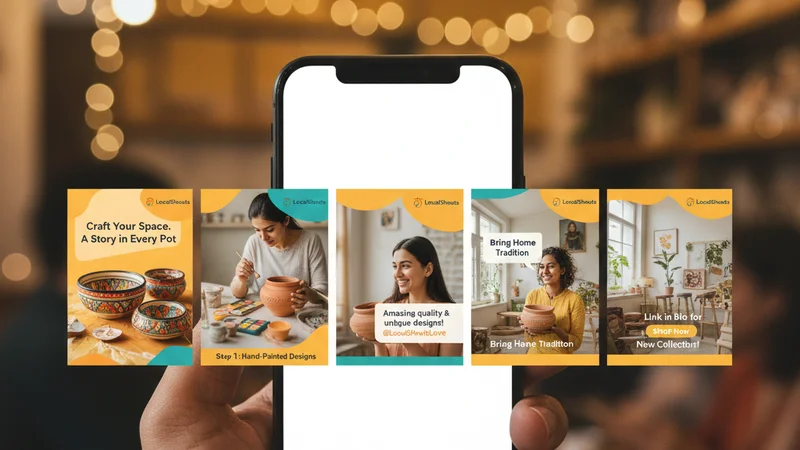
- Instagram and Pinterest: Showcased aesthetically styled rooms featuring CasaNova products
- Reels and Stories: Behind-the-scenes videos of the creation process, DIY tips, and styling guides
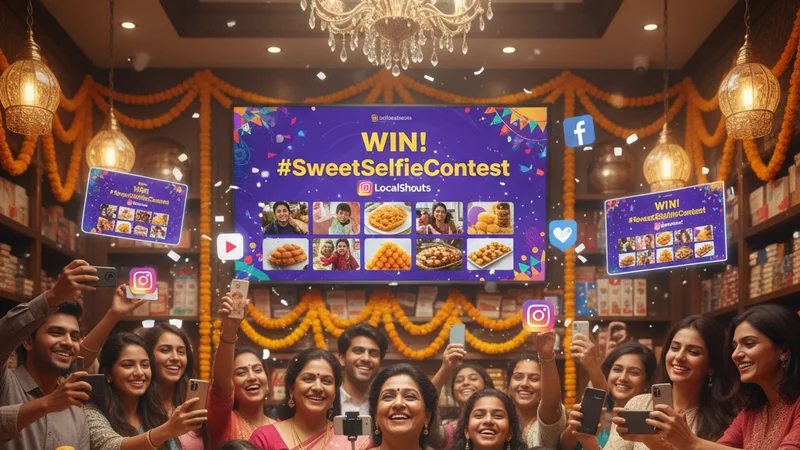
- User-Generated Content: Encouraged customers to share photos with branded hashtags
- Collaborations with Interior Designers: Featured CasaNova products in influencer home tours
By consistently sharing visually engaging content, the brand positioned itself as an authority in modern home decor trends.
Step 5: Engaging the Local Community Through LocalShouts
While social media built awareness, LocalShouts helped CasaNova engage with local customers effectively:
- Verified store details and operating hours
- Highlighted product collections and seasonal promotions
- Displayed authentic reviews from local buyers
- Enabled direct messaging for inquiries and bulk orders
LocalShouts allowed both first-time visitors and loyal customers to connect seamlessly, bridging the gap between online engagement and in-store experience.
Step 6: Launching Trend-Based Collections
CasaNova launched limited-edition seasonal collections aligned with current design trends:
- “Boho Summer” collection featuring earthy tones and macrame decor
- “Festive Glow” Diwali collection with modern lanterns and eco-friendly diyas
- “Minimalist Chic” furniture and accents for contemporary homes
Trend-focused launches positioned CasaNova as a brand that anticipates and sets trends, keeping customers excited and engaged.
Step 7: Implementing Influencer and Blogger Collaborations
To amplify reach, CasaNova collaborated with micro-influencers and design bloggers:
- Instagram and YouTube features of styled rooms using CasaNova products
- Blog features on local interior design websites
- Social media giveaways and contests encouraging engagement
These collaborations expanded reach to a design-conscious audience and established CasaNova as a must-follow brand.
Step 8: Encouraging Customer Engagement
Customer engagement became a core strategy:
- Polls on product choices (“Which planter should we launch next?”)
- Styling tips and DIY tutorials shared on social media
- Highlighting customer homes with CasaNova décor on Instagram stories
- Responding promptly to inquiries and reviews on LocalShouts
Active engagement built a loyal community and encouraged repeat purchases.
Step 9: Running Strategic Promotions
CasaNova used promotions to increase sales while reinforcing brand prestige:
- Pre-launch offers for limited-edition collections
- Festival bundles combining popular items
- Referral discounts for customers introducing friends and family
- Loyalty rewards for repeat buyers
Strategic promotions boosted sales while maintaining the brand’s aspirational image.
Step 10: Monitoring Performance and Feedback
The brand closely monitored metrics to refine strategy:
- Social media engagement (likes, shares, comments, saves)
- LocalShouts inquiries, reviews, and click-throughs
- Website analytics for traffic, product views, and conversion rates
- Customer feedback to improve products and styling guides
Data-driven insights allowed CasaNova to optimize product launches, promotions, and engagement tactics.
Step 11: Results Achieved
Within two years:
- Brand recognition increased significantly among design-conscious homeowners in Bengaluru
- Social media followers grew to over 25,000 with high engagement rates
- Repeat purchases increased by 35%, with many customers subscribing to seasonal collections
- LocalShouts reviews built credibility for first-time buyers
- CasaNova became known as a trendsetter for home decor, influencing customer preferences
The combination of branding, digital presence, and local engagement positioned CasaNova as a leading small brand in the home decor market.
Step 12: Lessons for Small Home Decor Businesses
- Create a Distinct Brand Identity: Clear values, logo, and messaging set your brand apart.
- Design Trend-Focused Products: Products should be visually appealing and shareable.
- Leverage Digital Platforms: Social media and LocalShouts (https://www.localshouts.com) enhance visibility and credibility.
- Engage Customers Actively: Polls, styling tips, and user-generated content build loyalty.
- Collaborate with Influencers: Micro-influencers can extend reach affordably.
- Monitor Metrics and Feedback: Use insights to refine products, launches, and campaigns.
Even small home decor businesses can influence trends and grow their market presence with strategic branding and digital engagement.
Conclusion
CasaNova Décor’s experience has demonstrated that smaller home decor brands can establish themselves as trendsetters using creativity, an online presence, and building community. Websites such as LocalShouts (https://www.localshouts.com) feature local businesses by providing local discoverability. Social media contributes to making a brand more of an authority and gets audiences excited about new products.
The takeaway is this: a smaller brand with a clear vision, a consistent look, and being focused on building a community can serve a purpose, build loyalty, and compete in the marketplace.
FAQs
1. How can smaller home decor brands get noticed?
By building a unique brand, creating trend-worthy products, and establishing a consistent online presence.
2. How does LocalShouts help local decor businesses?
It provides verified visibility, reviews, and new customer inquiries.
3. How important are collaborations via social media?
Collaborations increase visibility and credibility opportunities while marketing to an audience that cares about theme and design.
4. Do limited-edition collections help small brands?
Yes, limited editions create excitement around the collection while attracting repeat customers, and help the brand to establish itself as trendier than other lines.
5. In what ways should small businesses engage customers online?
Businesses should utilize polls, offer DIY tips, share styling ideas, user-generated photos to show how pieces work in customers’ homes, and prompt response to questions.
6. Can smaller brands set trends?
Yes, if the brand is consistent, products are high quality, engage with customers, and build a strong following, smaller brands will have the power to curate trends and influence customer purchases.