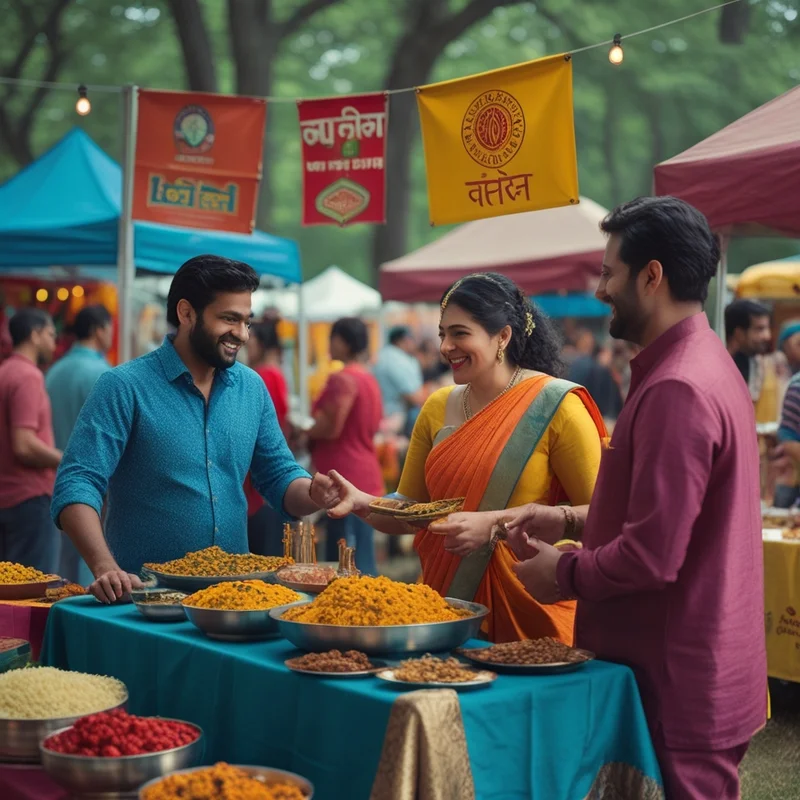
India is a country of incredible linguistic diversity. With over 20 major languages and hundreds of dialects, promoting an event in just one language often limits its reach. For small and micro businesses that depend on local audiences, multilingual event promotion can make all the difference between an average turnout and a fully engaged crowd.
Whether you’re organizing a cultural fair, food festival, training workshop, or community concert, speaking to people in their preferred language builds trust and connection. In a multilingual nation like India, where people switch between English, Hindi, Tamil, Bengali, Marathi, Telugu, and many others, communicating inclusively is a huge advantage.
In this article, we’ll explore how to promote events effectively in multiple languages, how digital platforms like LocalShouts (https://www.localshouts.com) can support your efforts, and how small businesses can expand their local presence through inclusive event communication.
Why Multilingual Event Promotion Matters
Language is more than words — it’s identity, comfort, and culture. When people see event promotions in their own language, they feel recognized and respected.
Here’s why multilingual promotion is so powerful for small businesses:
- Wider Reach: Multilingual promotions attract people from different communities and backgrounds.
- Stronger Engagement: People are more likely to attend when they understand the message clearly.
- Enhanced Brand Image: It shows that your business values diversity and inclusion.
- Local Trust: Using the regional language makes your brand feel familiar and community-focused.
- Higher Conversion Rates: Ads and invitations in local languages often result in better response rates than English-only promotions.
When done thoughtfully, promoting events in multiple languages helps you connect emotionally with audiences, not just communicate with them.
Understanding Your Audience
Before translating or creating multilingual content, it’s essential to know who you’re speaking to.
Steps to identify your audience:
- Research Local Demographics: Find out which languages are most spoken in your target area. For instance, in Delhi, Hindi and Punjabi may dominate, while in Chennai, Tamil is key.
- Observe Social Media Trends: Analyze which languages your followers use when commenting or messaging.
- Ask Your Audience: Conduct quick polls or surveys on your website or social platforms.
- Segment by Region: If your event covers multiple cities, tailor each region’s promotional content to the local language.
The better you understand your audience, the more relevant and impactful your multilingual promotion will be.
Choosing the Right Languages for Promotion
You don’t need to use every Indian language — focus on the ones that matter most to your target audience.
Consider these factors:
- Primary Local Language: The main language spoken in your event area (e.g., Marathi in Pune, Gujarati in Ahmedabad).
- Secondary Language: Include Hindi or English for broader understanding.
- Cultural Context: If the event celebrates regional traditions, use that region’s native language prominently.
- Audience Comfort: Some professional events may still require English, while community events may benefit from local dialects.
A smart mix of local and common languages ensures both reach and comprehension.
Crafting Multilingual Marketing Materials
Once you’ve identified the languages, start creating consistent, culturally appropriate content.
1. Banners and Posters:
Design physical and digital banners that display event details in two or more languages. For example, use Hindi and English side by side for Delhi audiences.
2. Social Media Posts:
Post in different languages on alternate days or create carousel posts that show the same message in multiple scripts.
3. Event Descriptions:
Write multilingual event descriptions on your Google My Business page and on LocalShouts (https://www.localshouts.com). This helps attendees find your event easily when searching in different languages.
4. Video and Audio Promos:
Record short promotional videos or voice notes in multiple languages. This approach works especially well for WhatsApp marketing and Instagram Reels.
5. Flyers and Invitations:
Distribute bilingual or trilingual flyers in local markets, schools, and offices.
Consistency in translation and tone builds credibility and clarity across all materials.
Using Digital Platforms for Multilingual Promotion
Technology makes multilingual promotion simpler and more accessible than ever.
1. LocalShouts (https://www.localshouts.com):
List your event on LocalShouts and include descriptions in multiple languages. LocalShouts helps businesses reach local audiences effectively through community-driven event listings, which enhances discoverability.
2. Google My Business:
Use Google’s “Add Update” feature to post your event in regional languages. This improves visibility in local search results.
3. Social Media Platforms:
Facebook, Instagram, and YouTube allow captions or posts in multiple languages. Use regional hashtags (like #दिल्लीइवेंट or #பொங்கல்ஃபெஸ்ட்) to target local users.
4. WhatsApp Broadcasts:
Send event updates in different languages to segmented contact lists for better personalization.
5. Translation Tools:
Free tools like Google Translate can assist, but always review translations to ensure accuracy and cultural appropriateness.
Collaborating with Local Influencers and Media
Local influencers, artists, and community pages already have audiences that trust them. Partnering with them helps you reach people in the right language and tone.
Collaboration ideas:
- Influencer Partnerships: Invite local content creators to promote the event in their regional language.
- Community Pages: Share posts through city-based or language-based Facebook groups.
- Local Radio or Newspapers: Announce your event through regional channels to reach non-digital audiences.
- School or College Networks: Encourage students to share information in their local dialects.
These collaborations help ensure your multilingual message reaches every corner of the community.
Maintaining Cultural Sensitivity
Language isn’t just about translation—it’s about context. A phrase that works in one language might sound awkward or offensive in another.
Tips for maintaining sensitivity:
- Hire Native Translators: They understand nuances better than automated tools.
- Avoid Literal Translations: Adapt phrases to fit local expressions.
- Use Simple Language: Focus on clarity over complexity.
- Test with Locals: Ask native speakers to review your content before publishing.
Respectful, localized communication builds authenticity and prevents misunderstandings.
Incorporating Multilingual Support at the Event
Your multilingual strategy shouldn’t stop at promotion—it should continue during the event itself.
Ways to make your event multilingual:
- Bilingual Hosts or Anchors: Use emcees who can speak multiple languages fluently.
- Translated Materials: Provide event brochures or schedules in at least two languages.
- Multilingual Signage: Display signs for directions, registration, and help desks in local languages.
- Digital Displays: Use screens to alternate between different language messages.
- Audio Announcements: Make regular announcements in the top two or three languages relevant to your audience.
This inclusivity ensures that all attendees feel welcomed and engaged.
Tracking and Measuring Results
To know if your multilingual strategy is effective, monitor audience engagement and response.
Key metrics to track:
- Attendance Numbers: Check whether turnout improved compared to previous events.
- Online Engagement: Analyze likes, shares, and comments across different language posts.
- Search Visibility: Track how multilingual listings perform on Google and LocalShouts.
- Feedback Forms: Ask attendees which language promotions they noticed and preferred.
Continuous tracking helps refine your approach for future events.
Challenges in Multilingual Event Promotion
While multilingual promotion offers many benefits, it does come with challenges:
- Translation Errors: Poor translations can confuse or mislead audiences.
- Design Constraints: Limited space on banners or digital posters for multiple scripts.
- Time Investment: Creating and proofreading content in several languages takes effort.
- Cultural Missteps: Unintended tone differences can cause miscommunication.
To overcome these, plan early, use professional translators, and maintain consistent brand messaging.
Best Practices for Successful Multilingual Promotion
- Plan Early: Don’t wait until the last minute to translate your materials.
- Be Consistent: Use the same logo, color scheme, and tone across all languages.
- Test Before Publishing: Double-check translations and audience understanding.
- Use Multimedia: Combine text, visuals, and voice to bridge language gaps.
- Engage Locals: Encourage community members to share posts in their native tongues.
These best practices make multilingual marketing smoother, more professional, and more impactful.
The Role of LocalShouts in Multilingual Promotion
For small and micro businesses, LocalShouts (https://www.localshouts.com) serves as a powerful ally. The platform enables event listings in regional languages, connects organizers with nearby audiences, and boosts discoverability through local search optimization.
By regularly updating your events and descriptions in multiple languages, you can reach diverse communities more efficiently. LocalShouts helps bridge the gap between digital promotion and real-world engagement—especially for small businesses looking to grow locally without massive advertising budgets.
Conclusion
In a country as linguistically diverse as India, promoting events in multiple languages isn’t just a marketing tactic—it’s a sign of respect, inclusion, and understanding. For small and micro businesses, this approach can open doors to new audiences, deepen community connections, and enhance brand recognition.
By planning thoughtfully, using digital tools like LocalShouts (https://www.localshouts.com) and Google My Business, and creating culturally sensitive multilingual content, you can make every event truly inclusive and successful.
When your audience feels spoken to in their own language, your message doesn’t just reach them—it resonates.
FAQs
1. Why should I promote events in multiple languages?
Because multilingual promotions help you connect with diverse audiences, increasing reach and attendance across different communities.
2. How many languages should I use for event promotion?
Two or three key languages—local, Hindi, and English—are usually enough for effective communication.
3. Can I use free translation tools for event materials?
Yes, but always review or edit translations manually to ensure cultural accuracy and clarity.
4. How can LocalShouts help with multilingual promotions?
LocalShouts allows event listings in multiple languages and connects your event to audiences searching in regional terms.
5. What’s the best way to promote multilingual events online?
Use social media posts, Google My Business updates, WhatsApp messages, and LocalShouts listings in local languages.
6. Should my event also include multilingual elements?
Yes, having multilingual signage, hosts, and materials during the event enhances inclusivity and attendee satisfaction.