Introduction
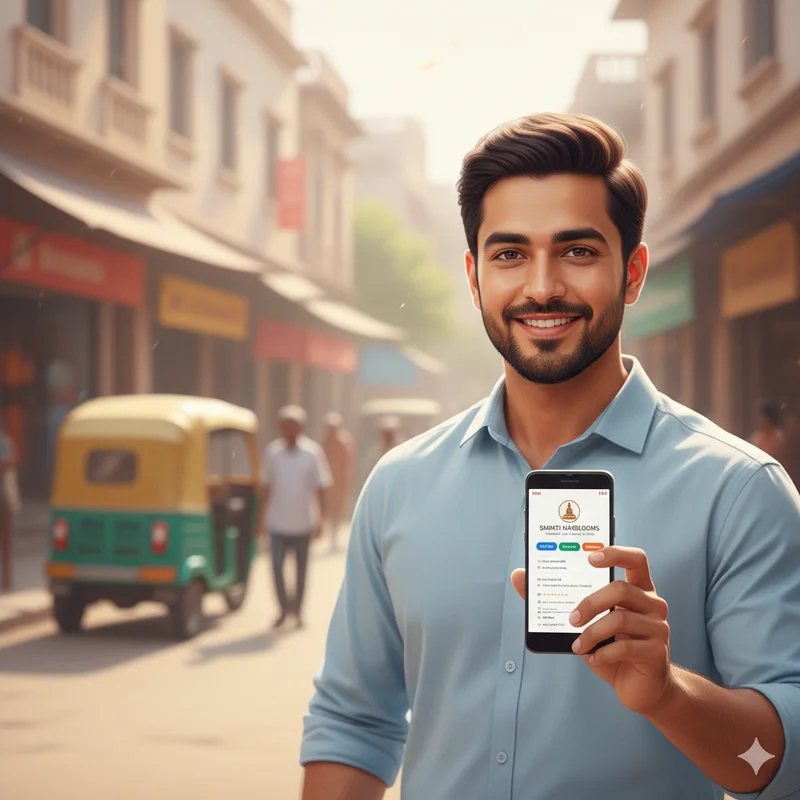
In our fast-paced society; people have limited time available for research and comparison before they make a decision on an item or service. Customers will not be patient while browsing multiple sites for information regarding local services, people's contact details, or small business offerings. Customers expect to receive clear and concise information quickly; when searching for whatever type of service, product or person they require speed and ease of use are becoming standard expectations.
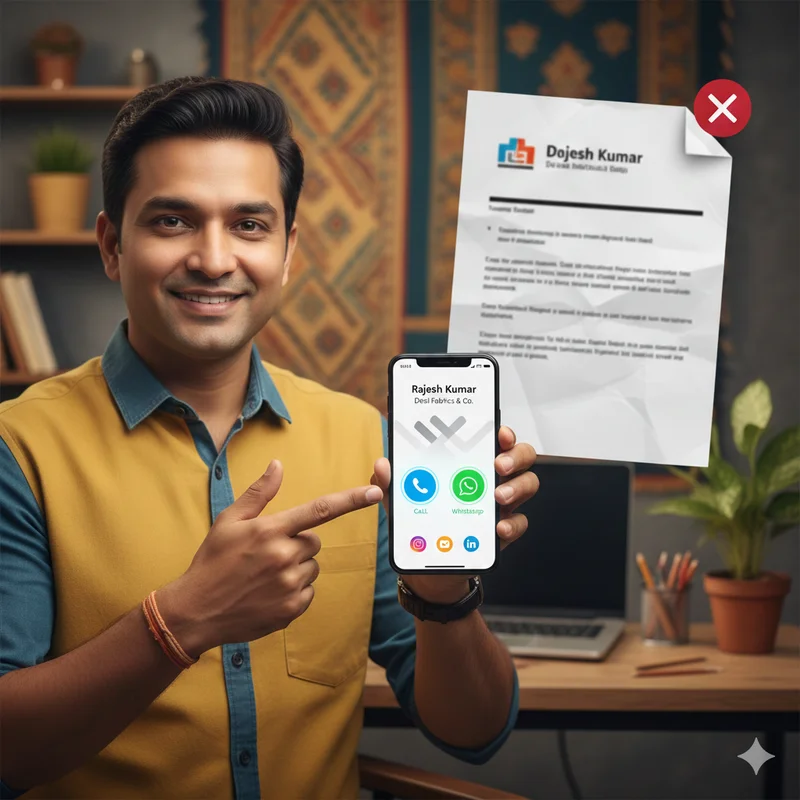
Many of the traditional methods of sharing business-related information were created long ago when people did not experience as high of an expectation from each other concerning communication. The common use of verbal introductions is disappearing because of the availability and use of digital cards. People often misplace paper cards that they receive from an individual after an introduction, and for a person trying to access a long website on a phone, it becomes overwhelming very quickly. Additionally, social media profiles are often filled with plenty of "noise" from your friends and affiliates on these sites and do not provide good access to what is supposedly on their page.
Digital business cards are created to address this issue of lack of clarity caused by the inability to remember and find this information. Digital business cards are designed for rapid access, greater ease of use and understanding to the reader. This article provides a detailed explanation of how digital business cards have been created to support customers in today’s fast-paced world and how their structure naturally supports them.
The Modern Customer Thinks in Seconds, Not Minutes
The way people consume information has changed.
Customers no longer sit and study details for long periods. They scan, glance, and decide. A business often has only a few seconds to make an impression before interest drops.
Digital cards respect this reality. They present essential information instantly, without forcing customers to navigate or search. This design matches how people actually behave today.
Why Speed Matters in Business Communication
Speed is not just about technology. It is about reducing effort.
When customers can quickly understand who you are, what you do, and how to contact you, they feel comfortable moving forward. When they struggle to find basic details, they hesitate or move on.
Digital cards remove delays by putting everything important in one place, ready to be accessed instantly.
How Digital Cards Eliminate Unnecessary Steps
Traditional business discovery involves too many steps.
A customer might hear a business name, then search online, then compare multiple results, then open different pages to confirm details. Each step increases the chance of drop-off.
Digital cards collapse this entire journey into a single step. One link, one view, one clear understanding.
This simplicity is intentional, not accidental.
Why Simplicity Builds Trust Faster
Complexity creates doubt.
When information is scattered or unclear, customers feel uncertain. Simplicity, on the other hand, feels confident and professional.
Digital cards are simple by design. They do not overwhelm users with excess content. They focus on what matters most. This clarity builds trust quickly, even before direct communication begins.
How Digital Cards Are Designed for Instant Clarity
A digital card does not try to be everything at once.
It prioritizes essential business details such as identity, services, and contact options. By avoiding clutter, it allows the customer to understand the business within seconds.
This instant clarity supports faster decisions and smoother conversations.
Why Mobile-First Design Drives Speed
Most customers discover businesses on their phones.
Long websites and heavy pages slow down the experience on mobile devices. Digital cards are built with mobile usage in mind. They load quickly, display cleanly, and are easy to interact with.
This mobile-first simplicity makes them ideal for modern business communication.
How Digital Cards Reduce Cognitive Load
Cognitive load refers to how much mental effort something requires.
When customers see too many options, links, or messages, their brain feels overloaded. Digital cards reduce this load by presenting information in a structured and minimal way.
Less thinking means faster understanding.
Why One Clear View Beats Multiple Platforms
Many businesses spread their information across platforms.
Customers have to check social profiles, listings, and websites to get a full picture. This slows decision-making and creates friction.
Digital cards replace this complexity with one clear view. Everything important is visible without jumping between platforms.
How Digital Cards Support Quick Sharing
Speed also matters when sharing information.
Verbal explanations take time and can be misunderstood. Writing long messages is inconvenient. Digital cards make sharing effortless.
One tap or one forward delivers the full business picture instantly. This simplicity supports faster referrals and smoother introductions.
Why Digital Cards Work Well in Offline-to-Online Transitions
Many business interactions start offline.
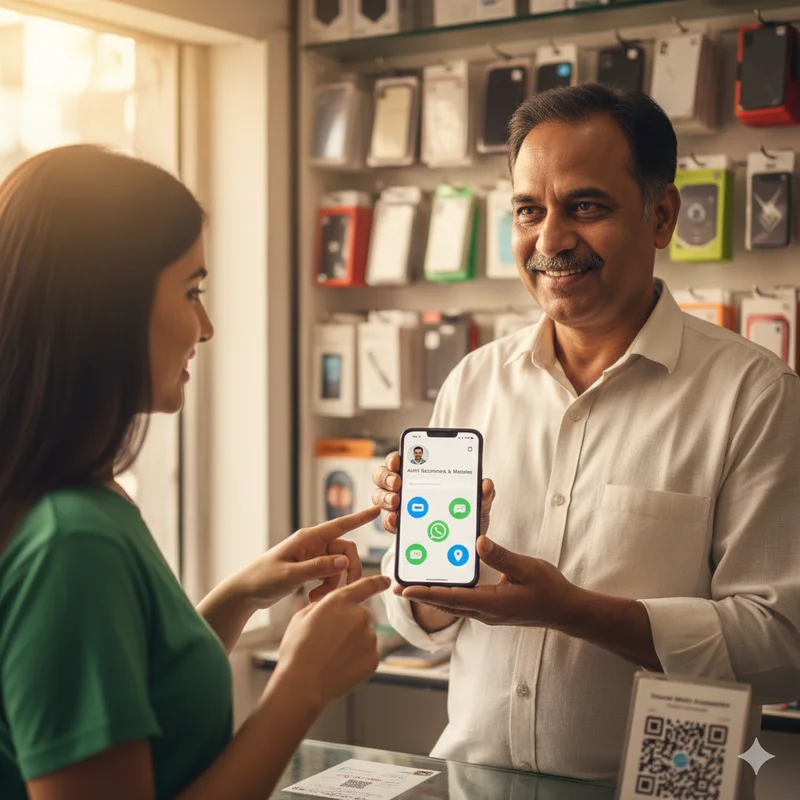
A conversation, a meeting, or a referral often happens face to face. Digital cards bridge this offline interaction with online clarity.
Instead of asking customers to remember details, digital cards allow immediate follow-up. This speed keeps interest alive.
How Digital Cards Reduce Back-and-Forth Communication
Repeated questions slow down both customers and businesses.
When information is unclear, customers ask basic questions repeatedly. Digital cards answer most of these questions upfront.
This reduces unnecessary back-and-forth and allows conversations to focus on real needs.
Why Speed Improves Conversion Rates
The faster customers understand, the more likely they are to act.
Digital cards shorten the decision cycle. Customers who get clarity quickly are more confident in reaching out or moving forward.
Speed does not rush decisions. It removes hesitation.
How Simplicity Supports Better Recall
Simple things are easier to remember.
When customers see a clean, focused digital card, they remember the business better. Complex profiles and cluttered pages fade quickly from memory.
Digital cards improve recall by keeping the message clear and consistent.
The Convenience of Digital Cards
Good Design Feels Natural
Customers do not need instructions on how to use or view digital cards; they already know how to do it. Digital Cards' design makes it easy to use quickly and with minimal effort.
When something is easy to use, it gets used more often.
How Digital Cards Work with Your Day-to-Day Communications
Digital Cards can be used through everyday tools like email and messaging applications.
There is no need for special platforms to use these tools. They can easily travel through the Internet.
Digital cards can help small and micro businesses to compete by having the same simple and direct way to show value as larger companies, allowing them to compete better.
How Digital Cards Reduce Friction at First Contact
First contact is critical.
If the first interaction feels smooth, customers are more likely to continue. Digital cards remove friction by making first contact effortless.
No searching, no confusion, no delay.
Why Digital Cards Support Faster Trust Building
Trust grows when things feel easy and transparent.
Digital cards create this feeling by presenting information openly and clearly. Customers do not feel hidden agendas or confusion.
This transparency accelerates trust.
How Digital Cards Encourage Immediate Action
Good design guides action.
Digital cards naturally guide customers toward the next step, whether it is calling, messaging, or visiting. There is no distraction or uncertainty.
Clear actions support faster responses.
Why Simplicity Is a Long-Term Advantage
Trends change, but simplicity remains valuable.
Digital cards are not dependent on trends or platforms. Their simple structure continues to work regardless of changes in technology.
This long-term reliability makes them a smart digital asset.
How Digital Cards Reduce Mental Resistance
Customers often resist complexity without realizing it.
When something feels complicated, they delay or avoid it. Digital cards remove this resistance by being straightforward and friendly.
Less resistance leads to more engagement.
Why Digital Cards Are Built for Real-World Speed
Digital cards are designed for real situations.
A quick referral, a short meeting, a fast introduction. They support these moments without slowing anyone down.
This practical speed makes them highly effective.
Conclusion
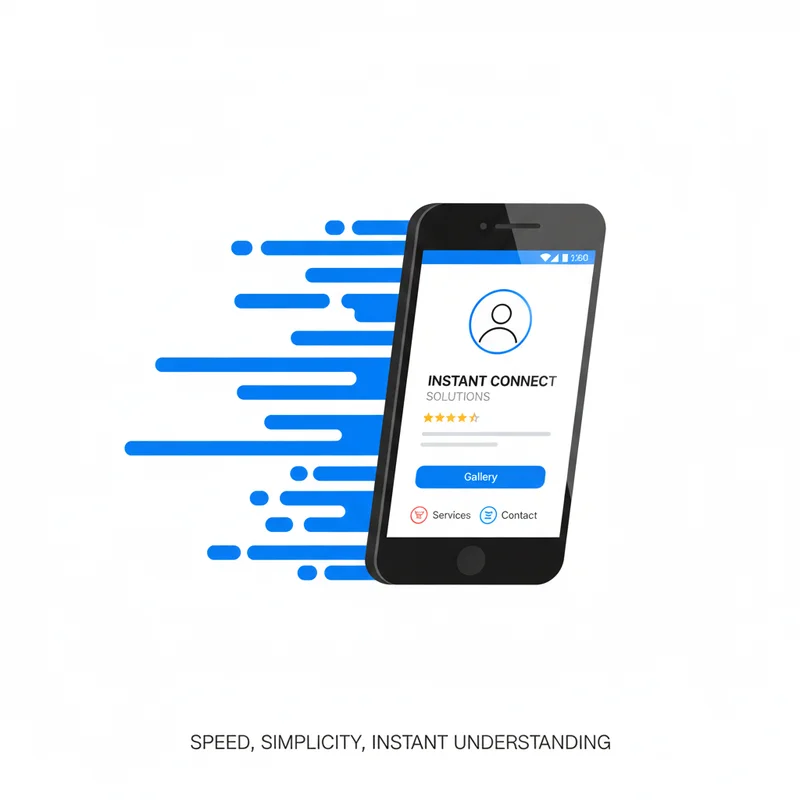
Speed and simplicity are not design trends. They are responses to how people live, think, and decide today. Digital cards are built specifically for this reality.
By removing unnecessary steps, reducing complexity, and presenting information clearly, digital cards allow businesses to communicate faster and more effectively. They respect the customer’s time while strengthening the business’s image.
In a world where attention is limited and choices are many, the simplest path often wins. Digital cards succeed because they make that path clear, fast, and easy to follow.
Frequently Asked Questions
Why are digital cards faster than traditional methods?
They provide instant access to all essential business information in one place.
How do digital cards simplify customer decisions?
They reduce searching and confusion by presenting clear, focused details.
Are digital cards better than websites for speed?
For first impressions and quick understanding, yes.
Do digital cards work well on mobile devices?
Yes, they are designed for fast and simple mobile access.
Can digital cards replace verbal introductions?
They support and strengthen introductions by making details easy to remember.
Why do customers prefer simple digital experiences?
Because simplicity reduces effort, builds trust, and saves time.