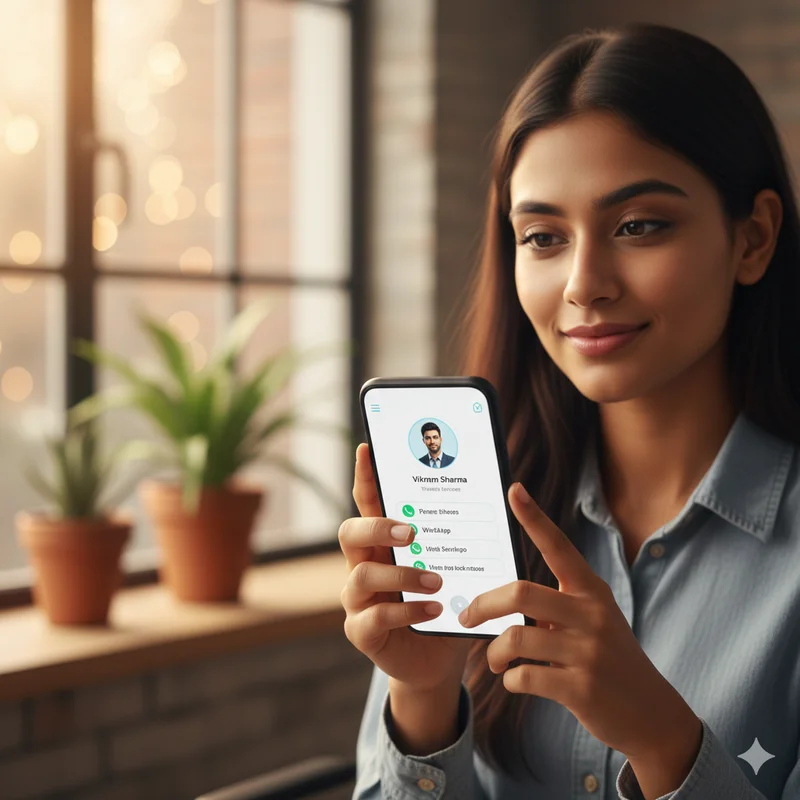
As today’s digital world continues to advance at a quick pace, people typically establish the credibility of a business within seconds of interacting with the company. Customers no longer take the time to “get to know” a business through gradual interactions; they form initial opinions about a business based on the first link they receive, message they open, or referral they get. Customers' first impressions define their level of confidence towards the business, and whether to continue to communicate with you or simply move on.
The first impression counts for small businesses, freelancers, service providers, and those just getting started in entrepreneurship. Your products and services may be excellent, but if your business information is unclear or appears random, prospective customers will be less likely to trust you. You may not have demonstrated any skill, but they are simply judging your level of professionalism.
Digital cards are very powerful in this regard, as they enable a business to quickly establish credibility and project an image of clarity, organization, and trustworthiness from the moment you have your customer’s attention.
What Credibility Really Means to Customers
Credibility is not about big claims or fancy words. For customers, credibility means safety and confidence.
They want to feel that the business is real.
They want to feel that the person behind it is serious.
They want to feel that they will not waste their time or money.
These feelings are formed before any conversation happens. Digital cards help shape these perceptions positively, without the business owner needing to explain or convince.
First Impressions Are Now Digital
Earlier, credibility was built through face-to-face meetings, physical shops, and visiting cards. Today, the first interaction is usually digital.
A WhatsApp message.
A shared link.
A forwarded contact.
When customers tap on something digital, they expect clarity. If they see messy information, long explanations, or random details, doubt begins immediately.
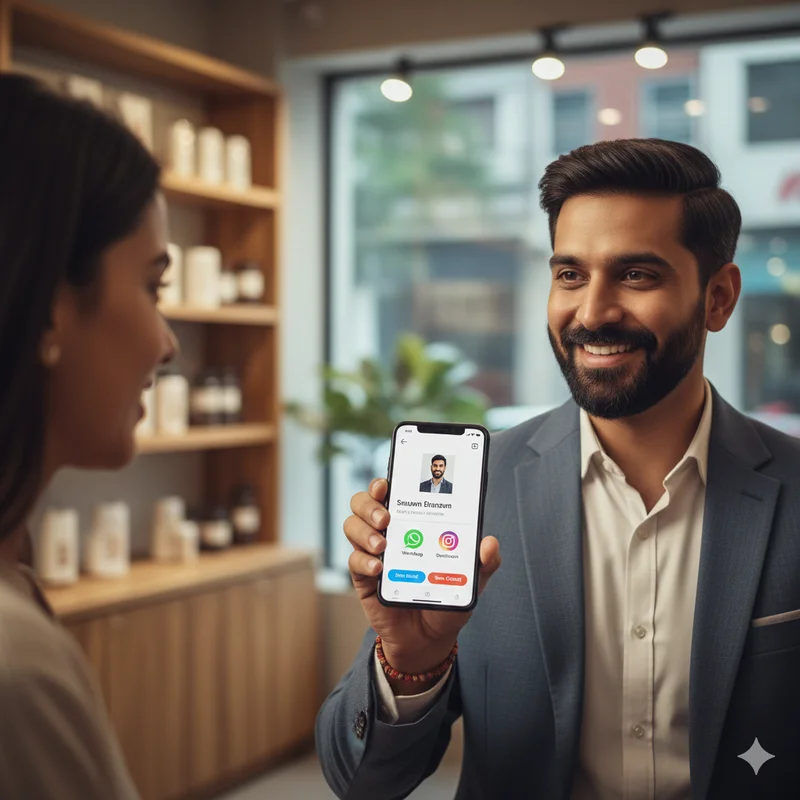
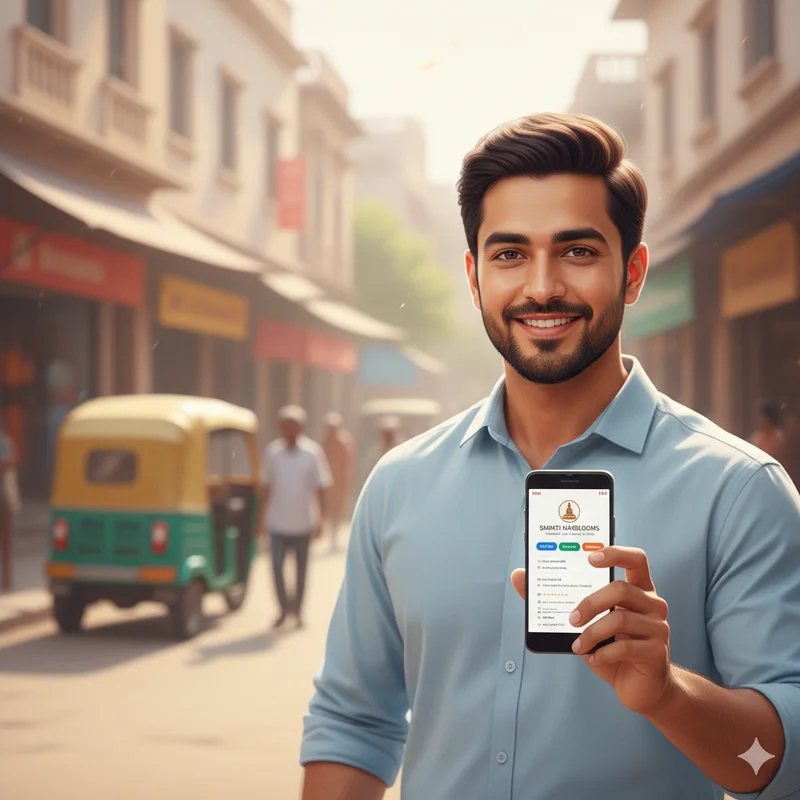
Digital cards are designed for this exact moment. They give customers a clean, confident first look at your business.
Clarity Creates Confidence Instantly
Confusion kills credibility.
When customers struggle to understand what you do, who you are, or how to reach you, they assume risk. They may not ask questions. They may simply leave.
Digital cards present information in a structured and easy-to-understand way. Customers instantly see the essentials without effort.
This clarity makes them feel comfortable, and comfort leads to trust.
Professional Presentation Signals Seriousness
Customers associate professionalism with reliability.
A digital card looks intentional. It feels like something created thoughtfully, not shared casually. This sends a strong signal that the business takes itself seriously.
Even small businesses benefit from this perception. When information looks professional, customers assume the service will be professional too.
This assumption creates instant credibility.
Digital Cards Reduce the Need to Prove Yourself
Many business owners feel they must constantly explain their experience, background, or reliability.
Digital cards reduce this pressure. When customers see a clear and organized digital presence, they already feel reassured.
Instead of proving yourself, you start conversations from a place of trust.
Consistency Builds Believability
Credibility grows when information stays consistent.
If customers see different versions of your details across messages or platforms, doubt appears. They start questioning accuracy.
Digital cards act as a single source of truth. Every time someone opens it, they see the same information presented the same way.
This consistency makes the business feel stable and dependable.
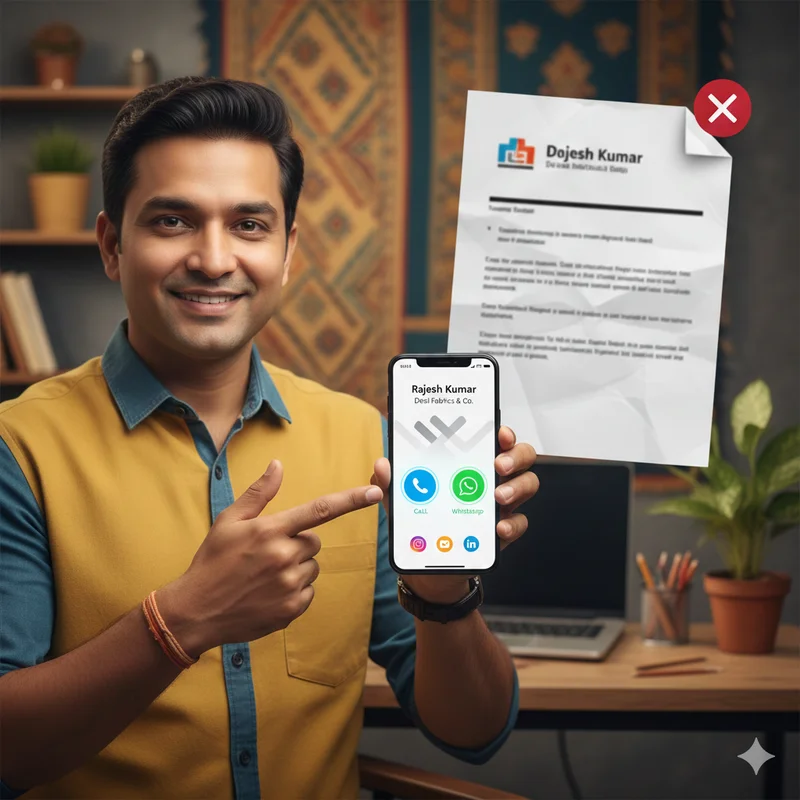
Digital cards seem more trustworthy compared to text messages which have a tendency to feel too temporary.
Text messages vanish into the chat history and appear informal. Digital cards, on the other hand, seem more official as they provide a permanent reference point for customers. This simple difference affects how customers perceive your company; if something appears to be permanent, customers perceive it as more credible.
First-time buyers are typically the most cautious shoppers because they don’t have the benefit of previous experience to refer to.
As a result, they’re looking for signs of security when making their decision about purchasing. Digital cards provide these very signals without putting any kind of pressure on the customer.
The ability for customers to independently view information at their own pace increases their perception of control. When customers feel like they have some control over their purchasing decision, they are more likely to trust you.
Many customers have a distrust of companies that over-sell or over-explain their products.
Digital cards have been designed to counteract this problem and provide an overall sense of comfort through presenting the information in a calm, confident, and patient manner. This calm, confident, and patient approach to presenting information to customers leads to customers not feeling suspicious toward your company. This naturally leads to increased trust between you and your customers.
Making Referrals Stronger and More Convincing
Referrals alone are not always enough. Customers still want to verify.
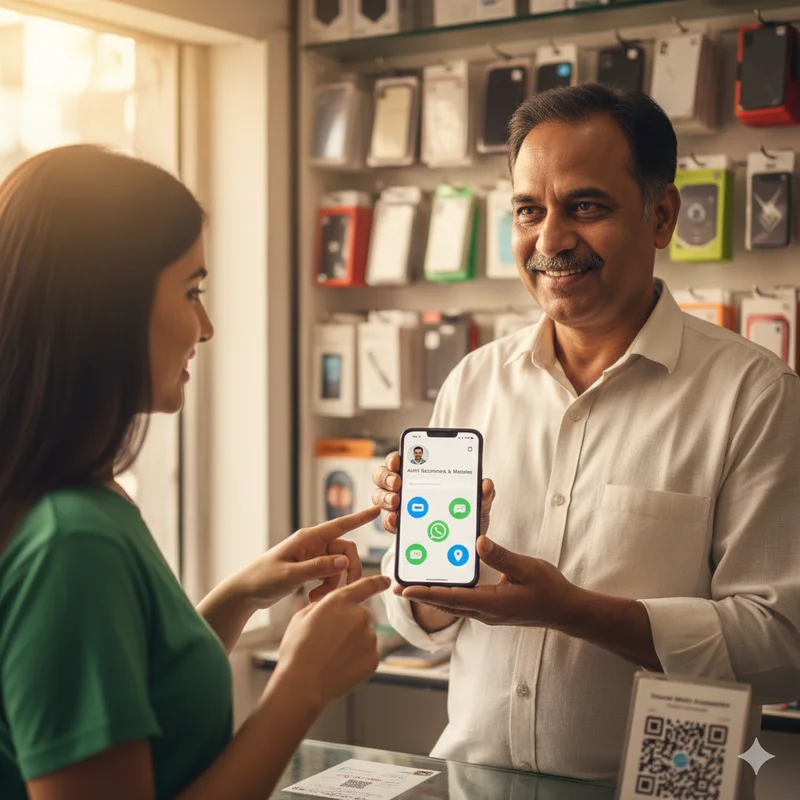
When a referral includes a digital card, credibility increases instantly. The customer does not feel like they are taking a blind risk.
This extra layer of validation makes referrals more powerful.
Allowing Silent Verification Before Contact
Modern customers prefer to check details quietly.
They want to look before they talk.
Digital cards support this behavior perfectly. Customers can review information at their own pace and decide when they are ready to reach out.
This silent verification builds confidence without friction.
Helping Small Businesses Look Established
Credibility is often linked to how established a business appears.
Digital cards help even new businesses look organized and structured. Customers focus on clarity, not size.
This levels the playing field and helps small businesses earn trust faster.
Reducing Decision Anxiety
Unclear information creates anxiety.
Digital cards reduce this anxiety by answering common questions upfront. Customers feel less stressed and more confident.
When anxiety drops, credibility rises.
Aligning With Modern Customer Expectations
Customers today expect digital convenience.
Businesses that meet these expectations feel modern and trustworthy. Businesses that do not feel outdated.
Digital cards align perfectly with modern behavior, strengthening credibility naturally.
Creating a Strong Memory of Your Business
Credibility is reinforced when customers remember you clearly.
Digital cards are easy to save and revisit. This repeated exposure strengthens familiarity.
Familiarity builds trust over time.
Conclusion
Instant credibility is no longer built through long conversations or bold claims. It is built through clarity, consistency, and professional presentation.
Digital cards help create this credibility by making businesses easy to understand, easy to trust, and easy to remember. They reduce confusion, calm hesitation, and allow customers to feel confident from the very first interaction.
In a world where trust is decided in seconds, digital cards give businesses a powerful advantage by helping credibility form instantly, quietly, and naturally.
FAQs
Why do digital cards create credibility faster?
Because they present information clearly and professionally.
Are digital cards better than text messages for trust?
Yes, they feel more structured and reliable.
Do digital cards help first-time buyers?
Yes, they reduce fear and hesitation.
Can small businesses benefit from digital cards?
Absolutely, they help small businesses look established.
Do digital cards reduce the need for explanations?
Yes, clarity answers questions upfront.
Are digital cards suitable for all industries?
Yes, they work across products and services.