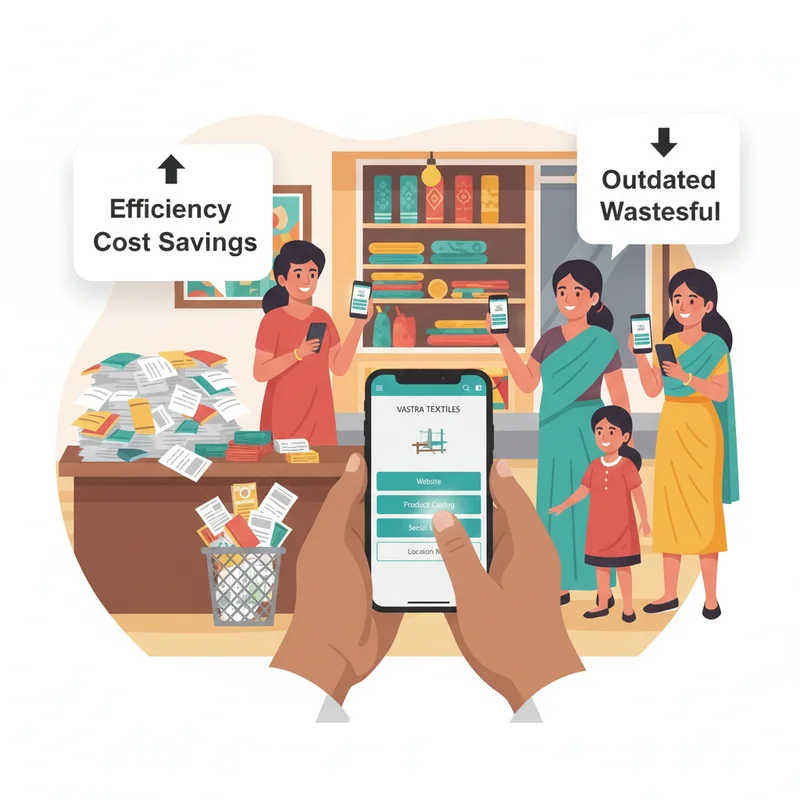
For decades, traditional marketing was the backbone of small business promotion. Printed flyers, visiting cards, banners, newspaper ads, and word-of-mouth were the primary ways businesses introduced themselves. While these methods still have value, they come with high costs, limited reach, and no easy way to update information once it is printed.
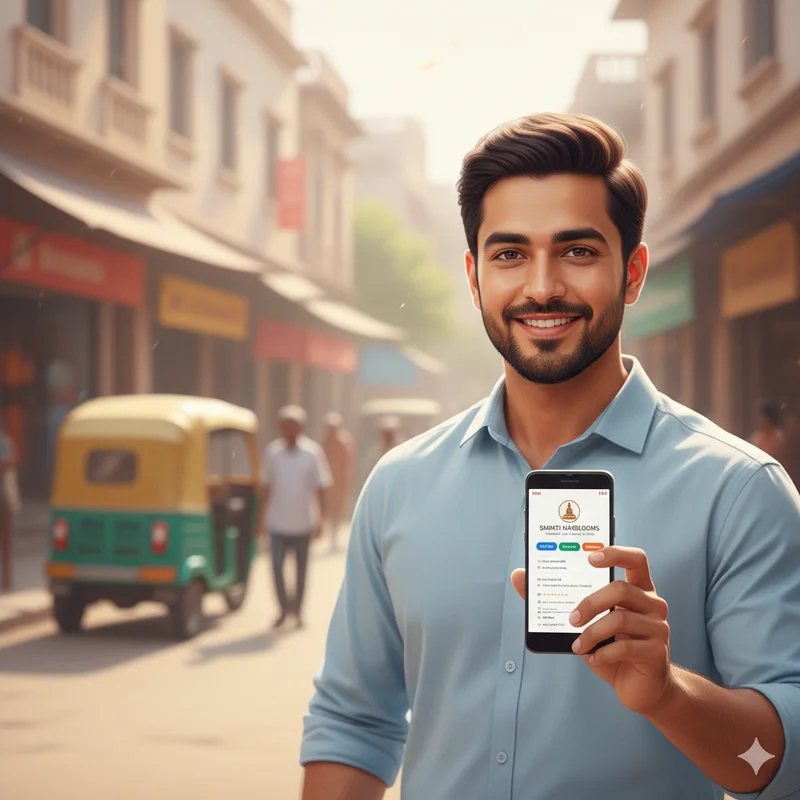
Today, customer behavior has changed. People discover businesses through their phones. They expect instant access to clear information, quick contact options, and professional presentation. Digital cards fit perfectly into this shift, allowing businesses to move away from heavy reliance on traditional marketing while still maintaining strong visibility and credibility.
Fixed Boundaries of Conventional Marketing
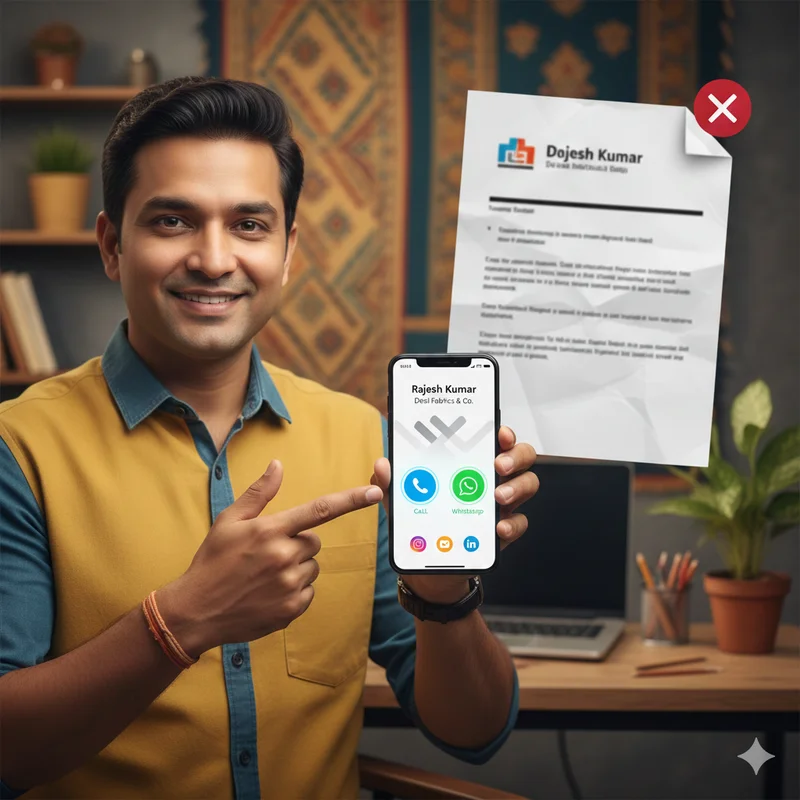
Conventional marketing materials do not update. The printed product never gets updated. When the phone number changes or other service offerings develop or branding has changed, all of the outdated products continue to be distributed and will cause confusion.
There are limitations in conventional marketing. Digital cards provide the solution. The digital cards’ capabilities are always current, allowing for flexibility, therefore eliminating the need to reprint and to continually make investments in offline promotional items.
Replacing Multiple Offline Tools with Digital Cards
Many businesses will be using a variety of different marketing mediums to promote their business. For example, a business might use business cards (for contact information), brochures (for services rendered), and flyers (for promoting specific offers).
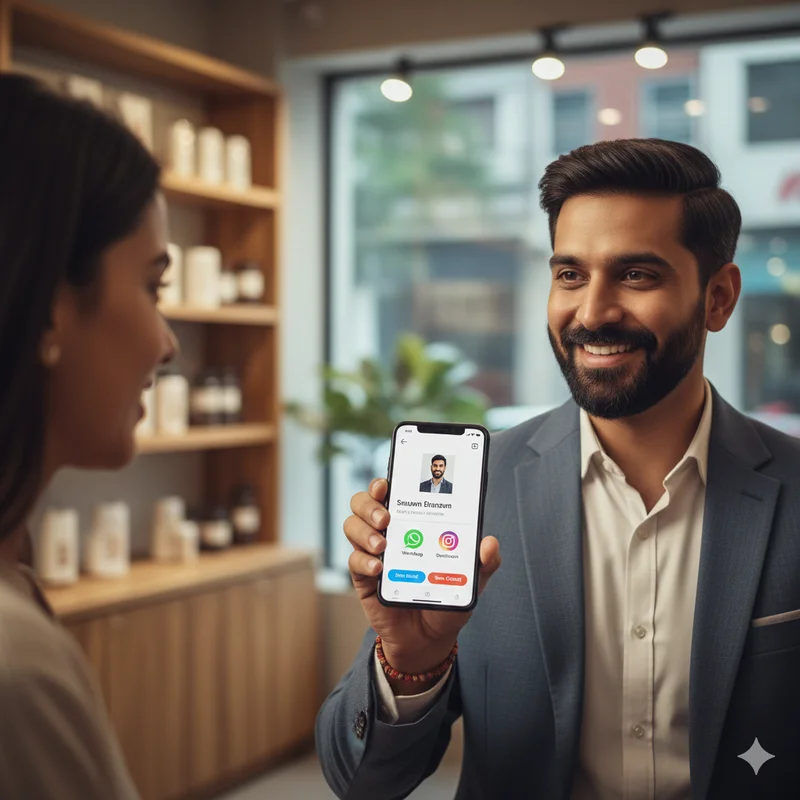
Digital cards can combine all of these offline materials into one digital profile link that can be shared by business. Instead of carrying or distributing several different marketing products, businesses can only share one digital profile. By consolidating these digital cards, printing expenses are minimised and marketing efforts are simplified.
Expense Savings While Retaining Marketing Visibility
Conventional marketing requires recurring expenditures. Expenses include printing and distributing products, as well as the cost of media advertisements. However, digital cards include the cost of establishing the cards only once. This is because the cards can continue to be downloaded and redistributed indefinitely at no cost. As such, these cards are an extremely valuable resource for small to micro-businesses with limited budgets.
Digital Cards Support Word-of-Mouth at Scale
Word-of-mouth has always been powerful, but digital cards enhance it.
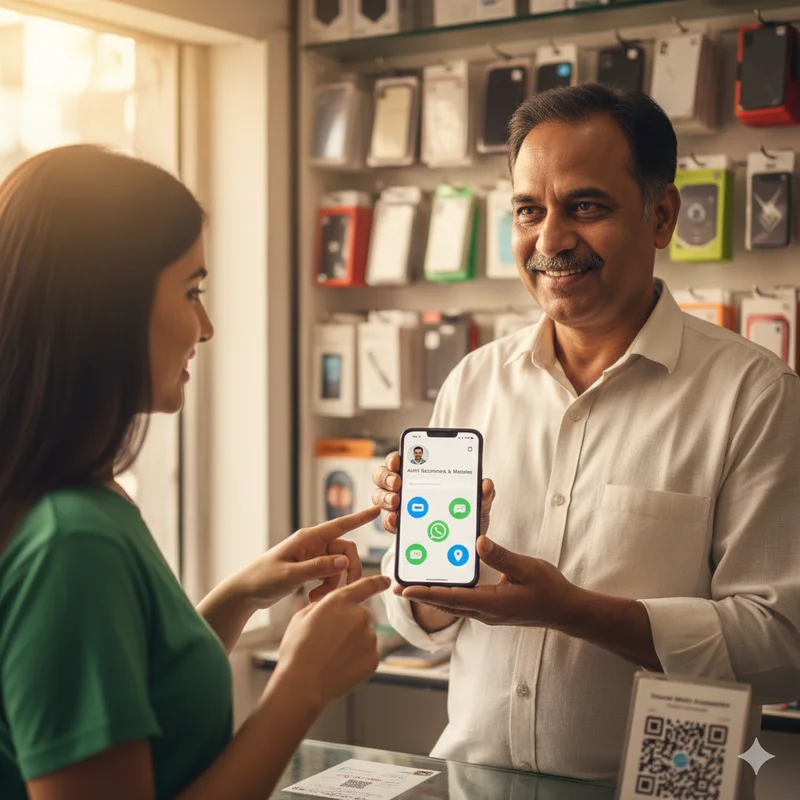
Instead of verbally explaining details or handing out paper cards, people now share links. A digital card allows recommendations to be passed instantly through messages and social platforms. This expands reach without additional marketing investment.
Better Measurement Than Traditional Marketing
Traditional marketing offers limited insights. It is difficult to track how many people saw a flyer or remembered a banner.
Digital cards provide clearer engagement signals. Businesses can understand when links are shared and accessed. This data-driven insight helps refine marketing efforts and reduces guesswork.
Improved Customer Experience Over Flyers and Ads
Customers often ignore flyers or forget printed details.
Digital cards offer a smoother experience. Customers can save the link, revisit it anytime, and contact the business directly. This convenience increases the likelihood of engagement compared to traditional materials.
Faster Updates Without Reprinting
Seasonal offers, service changes, and updated contact details are common.
With traditional marketing, every change requires new printing. Digital cards allow instant updates from one place, ensuring that customers always see the latest information.
This agility reduces dependence on printed marketing cycles.
Modern Customers Prefer a Minimal-Effort Customer Experience
Today's customers prefer to do things with minimal effort; they expect to tap a button, gain instant access, and view content that is easy to read. Digital cards offer a solution that correlates with how customers behave, which is to eliminate the need for the traditional method (printed business cards) when conducting day-to-day business communication.
Sustainable and Practical Solution
When businesses utilize fewer printed materials, they reduce their overall waste. Digital cards support a sustainable business model while remaining a practical tool for a business owner. In addition to being good for the environment, using fewer printed materials has positive financial implications for the business owner as well.
Opportunity to Maintain Traditional Marketing
Digital cards do not remove all traditional marketing methods from the marketing mix, they simply decrease an organisation's reliance on them. An organisation can still utilise both methodologies in conjunction with each other; however, the digital card will serve as the primary means of contact for the organisation. This combination allows organisations to be flexible and efficient.
Conclusion
Traditional marketing served businesses well in the past, but it is no longer enough on its own. Digital cards offer a smarter, more flexible, and cost-effective alternative.
By reducing printing costs, simplifying sharing, improving customer experience, and supporting modern behavior, digital cards reduce dependence on traditional marketing without sacrificing visibility or trust.
For businesses looking to stay relevant and efficient, digital cards are not just an option. They are a necessity.
FAQs
1. Do digital cards replace all traditional marketing?
They reduce dependence but can work alongside it.
2. Are digital cards cost-effective?
Yes, they lower long-term marketing costs.
3. Can digital cards be updated easily?
Updates are instant and simple.
4. Are digital cards suitable for small businesses?
They are ideal for small and micro businesses.
5. Do customers prefer digital cards over flyers?
Most prefer quick digital access.
6. Are digital cards environmentally friendly?
They reduce paper usage significantly.