Introduction
Crafting Engaging Humorous Content
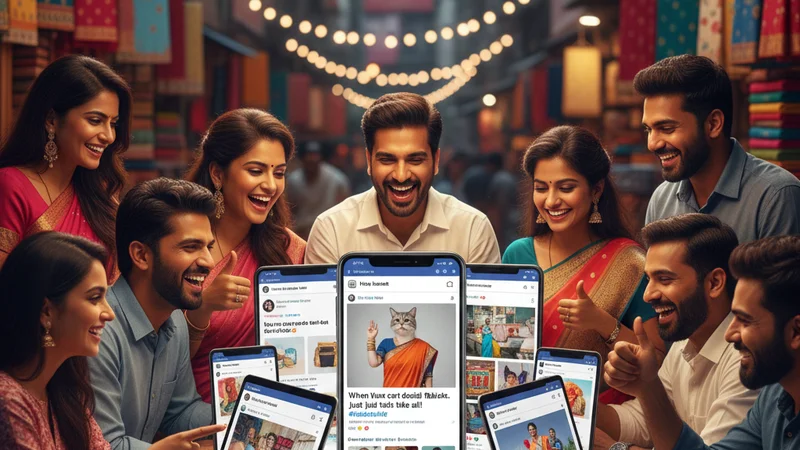
Creating humorous content that strikes a chord with your audience will take a bit of creativity and a bit of planning:
Know Your Audience: Know their tastes, cultural references and cultural sensitivity.
Keep it Short and Snappy: Users are scrolling quickly on social media - your humor should be easy to understand.
- Use Visuals: Memes, GIFs, videos, and illustrations keep users engaged.
- Test and Learn: Look to see which posts are garnering the most engagement and use the data to develop your strategy.
Stay Aligned to the Brand Voice of Your Organization: Humor should support your organization's values and not detract from your organizational message.
For example, a local bakery could post a humorous video of someone fighting to eat a massive slice of cake, with a clever caption and a link to buy the cake online. This accomplishes the goals of entertaining a community, promoting the product, and enhancing visibility by encouraging sharing.
Measuring the Impact of Humor in Marketing
It is crucial to track results to ensure humor contributes to business growth:
- Engagement Metrics: Likes, comments, shares, and saves on social media posts.
- Traffic Metrics: Monitor website clicks or product page visits originating from social media.
- Conversion Metrics: Track orders, inquiries, or sign-ups generated from humorous campaigns.
- Audience Feedback: Encourage followers to provide feedback or vote on favorite posts to understand preferences.
By measuring results, small businesses can optimize content strategies and ensure humor drives real business outcomes.
Common Mistakes to Avoid in Humor Marketing
- While humor is powerful, missteps can harm your brand:
- Offensive Content: Avoid humor that could offend cultural, religious, or social sensitivities.
- Overused Memes: Generic memes may fail to create a lasting impression.
- Ignoring Brand Alignment: Humor should reflect your brand’s personality, not appear random or disconnected.
- Neglecting Strategy: Posting funny content without a clear goal may entertain but not convert.
LocalShouts (https://www.localshouts.com) can help small businesses strategize and schedule humorous content responsibly, ensuring consistent messaging and brand alignment.
Case Study Examples for Inspiration
While avoiding international references, Indian small businesses provide excellent inspiration:
- Local Cafes: Share humorous “coffee fails” or relatable morning memes to connect with office-goers.
- Tailoring Shops: Post funny fashion tips or exaggerations about clothing mishaps to entertain and engage customers.
- Jewelry Boutiques: Create light-hearted wedding or festival memes highlighting jewelry trends.
- Small Bakeries: Showcase humorous reactions to oversized cakes or sweets, making content relatable and shareable.
These examples show that humor, when used thoughtfully, can elevate a small business’s digital presence significantly.
Conclusion
Humor is more than entertainment — it is also an effective strategy in social media marketing. In the specific case of small and micro businesses in India, humor allows businesses to create emotional connections, improve engagement and boost visibility on platforms such as Instagram, Facebook and Google My Business. Small business success in a crowded marketplace relies on creating relatable content that engages viewers and has cultural relevance as well as visual appeal.
Working in humor with your overall digital strategy will produce a cohesive and effective online presence across all platforms including websites and platforms like LocalShouts (https://www.localshouts.com). Purposeful and strategic use of humor can convert regular content into a catalyst for accelerating growth to help small businesses attract, retain and delight customers in their business.
Frequently Asked Questions (FAQs)
1. Can small businesses with limited budgets leverage humor?
Absolutely. Humor relies more on creativity than budget. Memes, captions, and simple videos can be very effective, so long as you don't use excessive budgets for production.
2. How often should businesses use humor?
Consistency is important. So long as you can consistently deliver at least two-three humorous posts per week, your audience will be engaged while not being overwhelmed.
3. Can humor go wrong on social media?
Sure, if it is offensive, insensitive, or doesn't match your brand voice. As a best practice, review this content with a small audience first, or think out loud with colleagues.
4. Is the humor engaging, or can it drive conversions?
If this is part of a digital committed presence, and you are demonstrating trust actions and prompting action, you can expect elevated engagement or conversions.
5. How do I measure the effectiveness of humorous content?
Social media metrics (likes, shares, comments), traffic, conversion rates, and direct customer feedback are other ways to measure effectiveness.
6. Should humor be different across social platforms?
Yes, you should think about what is appropriate based on the audience. You should also deliver something consistent with your brand. For example, the Instagram Reels platform may allow for more playful humor than LinkedIn posts