Introduction
Business marketing has achieved more transformative progress in the last 20 years than during all the previous decades of its existence.
Businesses today create customer attraction and trust-building methods which enable them to make sales because customer behavior
has transformed their approach to these three business activities. Businesses of the past depended on mainstream marketing channels
which included newspaper ads and flyer distributions and banner advertisements and radio spots and television commercials
and word-of-mouth marketing. The methods proved successful during that period because customers found businesses through physical presence
and local area visibility. Nowadays customers shop through digital channels which exist outside their physical space because they use smartphones to
conduct online research and read reviews and access social media platforms.
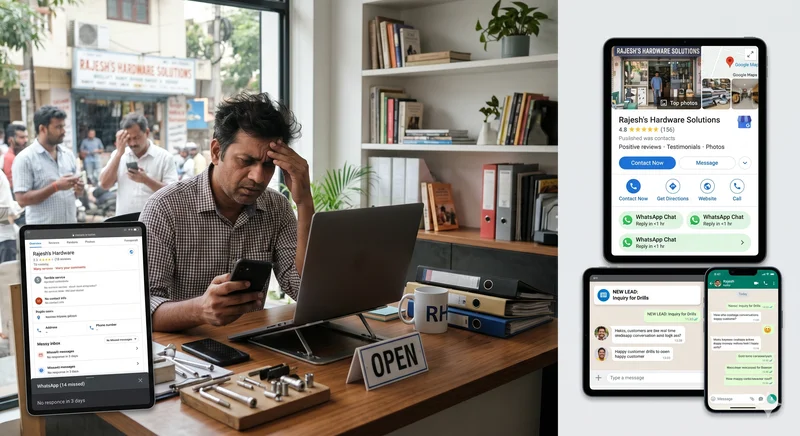
Customers today perform online research about businesses before they contact businesses to acquire local products and services.
The new business model which developed today has completely altered the method organizations create their promotional strategies.
Today marketing extends beyond promotional activities because it includes elements which determine customer trust and accessibility
and customer engagement and total customer experience. Businesses that adapt to these changes grow faster because they meet modern customer
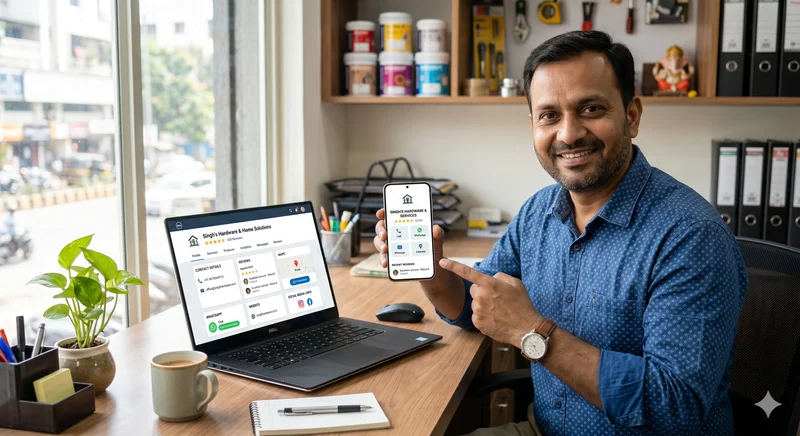
expectations more effectively. The platform LocalShouts (https://www.localshouts.com) enables businesses to build their online presence
while enhancing customer engagement and streamlining their digital communication needs which have become vital for contemporary marketing practices.
The evolution of business marketing helps companies understand how essential digital presence has become for achieving growth in
the current market environment.
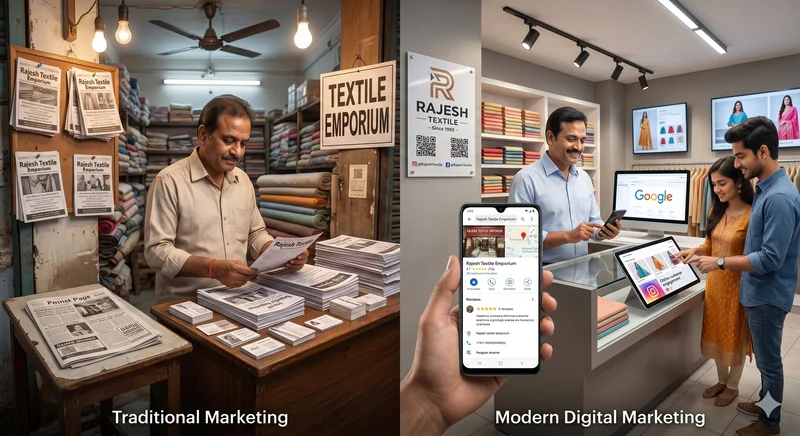
Traditional Marketing Focused on Physical Visibility
The earlier periods of business marketing relied on customers seeing physical business locations. Businesses used banners and signboards
and newspaper advertisements and posters and printed materials to create local customer attraction.
Companies used visiting cards and flyers to promote their brand during events and customer interactions.
The tremendous impact of word-of-mouth recommendations originated from people who shared information with their family members and friends.
The marketing practices of that time period used one-way communication methods.
Businesses shared their messages with customers while they offered only restricted customer contact options that fell short
of present-day communication methods.
Print Media Once Dominated Business Promotion
Newspapers and magazines and brochures and pamphlets served as effective marketing instruments during their peak years.
Companies invested substantial amounts in print advertising because it allowed them to reach extensive local audiences.
Print marketing suffered from several fundamental restrictions.
Businesses faced difficulties because they needed to track customer engagement while updating information without direct audience interaction.
The advertisement content remained unchanged until the next scheduled advertising campaign.
Print media established brand recognition before digital systems became widespread, although these systems had their own limitations.
Television and Radio Expanded Marketing Reach
Business advertising changed with the introduction of audio and visual advertising which provided companies new ways to connect with consumers.
Through television commercials companies could create emotional narratives while radio advertisements allowed them to connect with nearby customers.
The marketing techniques required high costs which made them impossible for small businesses that operated with restricted financial resources.
During this era businesses maintained complete control over marketing activities while customers had no authority.
The Internet Completely Altered The Way Customers Interact With Businesses
The introduction of the internet brought permanent changes to business marketing practices. Customers suddenly gained access to unlimited information,
reviews, comparisons, and communication opportunities online.
Customers could now research businesses independently before making decisions instead of relying only on advertisements.
The power structure experienced a major transformation due to this development.
Online experiences and recommendations became the primary factors that determined customer behavior because customers
advanced their knowledge and choice-making abilities.
Websites Became the First Digital Storefronts
The growth of internet usage led to businesses establishing online presence through their website development.
The digital storefronts of websites provided customers with access to service information and product details and contact information.
Businesses with websites established themselves as more professional and modern than companies that lacked online presence.
The development of websites became insufficient because customer expectations progressed beyond what they provided.
Search Engines Changed Business Discovery
Customers use search engines like Google to find businesses through their online platforms.
Customers gained the ability to search online for nearby products and services instead of depending on physical advertisements and recommendations.
The ability to see businesses online became vital for their success.
Businesses that achieved high visibility in search results received significant benefits because their discoverability brought in customer inquiries
that led to increased sales.
Social Media Added Two-Way Communication
Social media brought forth a complete transformation of marketing practices which established customer interaction as their primary focus.
Businesses could now communicate directly with customers in real time through comments, messages, updates, and content sharing.
Customers also gained the ability to publicly share experiences, opinions, and feedback online.
Marketing developed into a conversational style which established direct contact with customers instead of using traditional advertisement techniques.
Businesses that built strong engagement online often developed stronger customer relationships and brand loyalty.
Customer Reviews Became Powerful Marketing Tools
One of the biggest changes in modern marketing is the importance of customer reviews.
Businesses used to control marketing messages through their own channels during earlier times.
Today, customers heavily influence business reputation through reviews and ratings.
Companies need to learn effective review acquisition methods while developing systems to handle customer feedback because
these reviews determine trustworthiness and buying behavior.
Positive customer experiences now serve as strong marketing tools which create social proof.
Mobile Technology Accelerated Digital Marketing
Smartphones created a rapid transformation path for digital marketing development. Customers nowadays use their mobile devices
to conduct instant searches, make purchases, and establish contact while evaluating different companies.
Businesses need to establish mobile platforms which provide both accessibility and user-friendly functions.
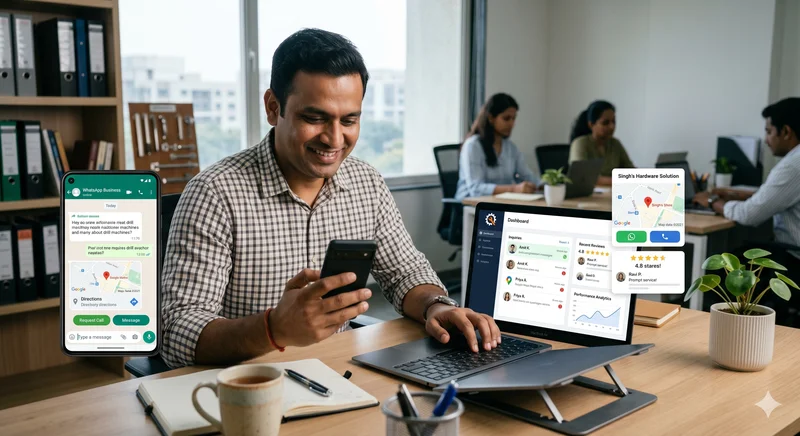
Customer engagement now depends on businesses which implement mobile-friendly communication systems together with click-to-call features
and WhatsApp and responsive business profiles. The digital landscape progresses towards faster development which enables businesses
to achieve better results through simplifying their mobile user experience.
Digital Presence Became More Important Than Physical Presence
Physical location and offline visibility served as the main resource for business operations before.
Customer perception now starts to develop before customers make physical contact with a business through its digital presence.
Customers now evaluate businesses based on online reviews, ratings, responsiveness, visibility, and professionalism.
Businesses with stronger digital business profiles often attract more trust and engagement because customers can verify credibility online quickly.
Modern Marketing Is Built Around Convenience
Customers today demand products that deliver maximum comfort to them. Customers prefer businesses that create easy paths for their journey
because such businesses provide quick and seamless service which customers find satisfactory.
Customers seek immediate access to contact details, customer testimonials, product information, WhatsApp chat options, navigational tools,
and available services. The platform LocalShouts www.localshouts.com enables businesses to create organized digital systems which combine
essential business elements to enhance customer engagement and accessibility.
Data and Analytics Changed Marketing Strategy
The measurement of customer behavior in traditional marketing systems faced substantial challenges because of its inherent limitations.
Businesses today use digital marketing to gain crucial information about how customers interact with their content through their search activities
and their product reviews and their communication methods. Businesses can now make smarter marketing decisions based on real customer
behavior rather than assumptions. Through data-driven marketing businesses achieve better customer targeting and visibility improvements.
AI Is Shaping the Future of Marketing
The development of artificial intelligence has evolved into a major force that currently drives contemporary marketing techniques.
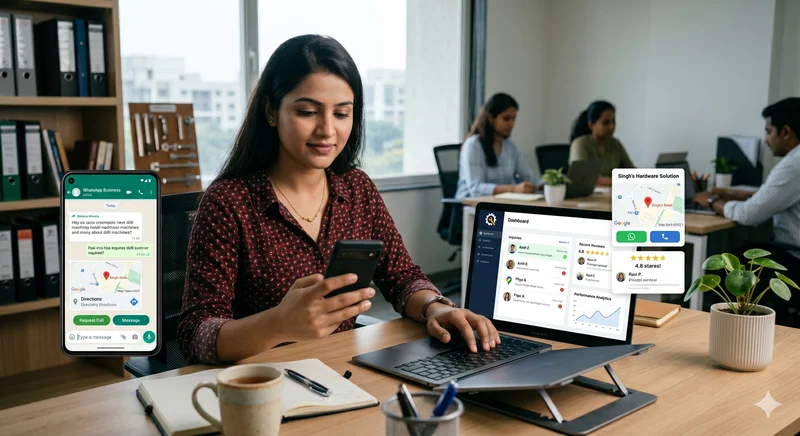
Businesses use AI tools to automate their communication systems while they analyze customer feedback and manage their online reviews
and create customized experiences for their customers. Through AI review management software small business operations achieve better
efficiency while they build stronger connections with their customers.
Businesses use AI technology to enhance their response speed while they handle customer interactions with better efficiency.
Customers Now Expect Active Digital Engagement
Modern customers no longer expect businesses to simply advertise. Businesses need to establish active online connections with their customers.
Customers observe business responses to reviews together with their profile updates and their answers to inquiries
and their ongoing contact with customers. The digital presence of businesses through their continuous online activity creates a trust relationship
with customers because such activities demonstrate professional standards and trustworthy behavior.
Local Businesses Now Compete Digitally Too
Local businesses used to compete with each other in specific geographic areas of their physical neighborhoods.
Businesses now face local competition through both their physical presence and their online activities.
Customers use Google reviews together with ratings and digital visibility and accessibility features to evaluate
nearby businesses before making purchase decisions. Businesses with superior online interaction capabilities tend to
achieve better results than their local competitors who share the same geographical region.
Integrated Digital Presence Marks The Future Of Modern Marketing
Modern business marketing requires companies to create online connections between their various digital platforms instead of
relying on separate marketing systems. Businesses require complete digital systems which unite their online platforms with
customer feedback systems and communication channels and social media websites and Google business profiles
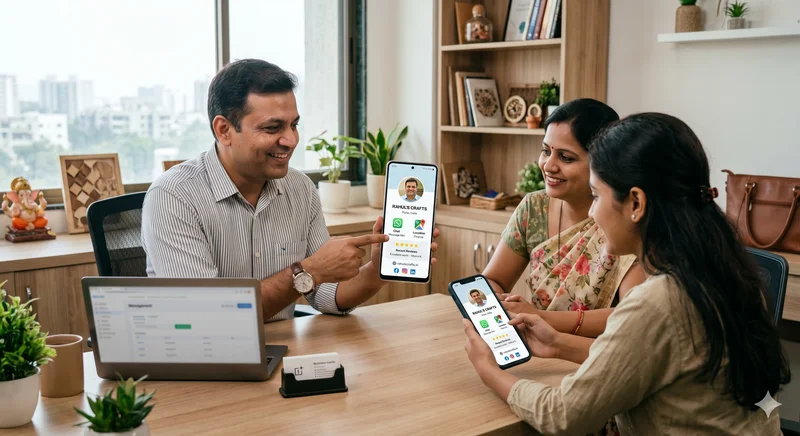
and customer engagement tools to develop integrated customer experiences.
Businesses that centralize and simplify digital interaction usually create stronger long-term growth opportunities because
customers appreciate convenience and trustworthiness.
Conclusion
The changes in business marketing practices show how customer buying patterns have changed over time.
Marketing has evolved from traditional offline methods which provided one-way advertising to modern digital methods
which enable customers to interact with businesses while online.
Businesses today must do more than advertise they must remain accessible, active, trustworthy, and easy to discover online.
Customers increasingly rely on digital signals such as reviews, ratings, communication quality, and online presence before making decisions.
LocalShouts (https://www.localshouts.com) provides businesses with tools to succeed in the modern marketing environment by
enhancing their online visibility, managing their online platforms, boosting customer connections,
and streamlining their client communication processes.
The businesses which succeed in today’s digital world are those which adapt their operations to match evolving customer needs.
FAQs
1. How has business marketing changed throughout its entire history?
The development of marketing started with conventional offline advertising methods which progressed into current practices
of online digital marketing and website promotional activities.
2. Why is digital marketing important today?
Consumers today use online platforms to search for businesses which they assess before choosing which ones to engage with.
3. How do reviews impact contemporary marketing practices?
Customer reviews establish trustworthiness for products which businesses use to enhance their market presence and drive customer purchases.
4. What impact does mobile technology have on marketing strategies?
Through smartphones customers can instantaneously search for businesses while they interact with those businesses.
5. How does LocalShouts assist contemporary businesses?
The platform enhances online presence while boosting customer outreach and online communications.
6. Why do businesses depend on customer convenience for their marketing strategies?
Customers prefer businesses that provide them with simple methods to reach out and establish trust through their online platforms.