Introduction
For small businesses in India, online visibility can make a huge difference in attracting local customers. Many business owners know that Google is the go-to platform, but not everyone understands the difference between Google Maps rankings and Google Search rankings.
These two types of rankings serve slightly different purposes, and the factors that influence them also differ. If you want to appear in the coveted Google 3-Pack or attract foot traffic from “near me” searches, knowing these differences is essential.
In this article, we’ll break down how Google Maps rankings work, how they differ from regular search results, and practical steps Indian small and micro businesses can take to improve both.
What Are Google Maps Rankings?
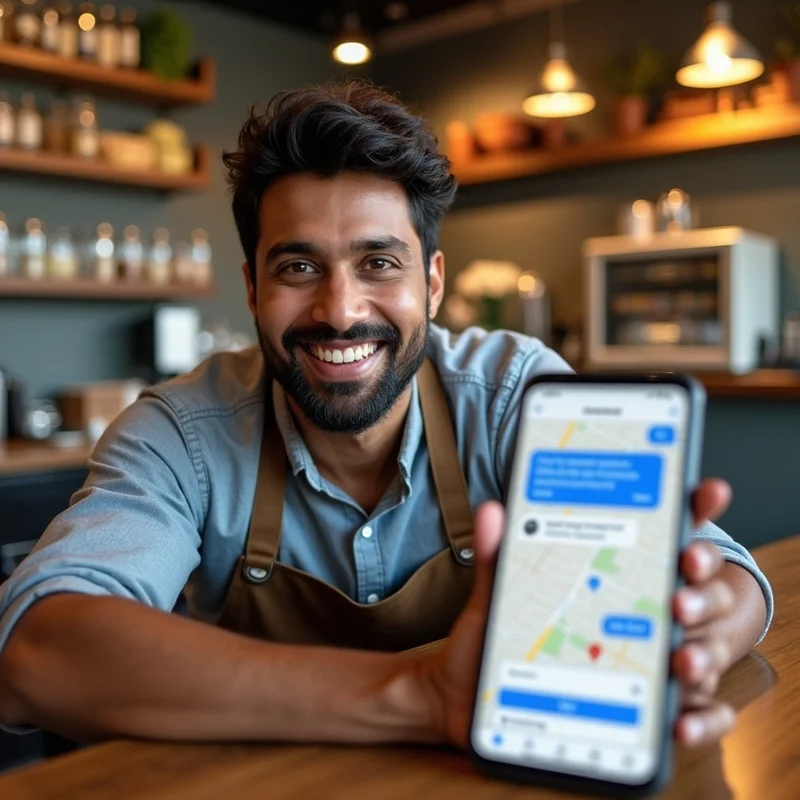
Google Maps rankings determine which businesses appear on Google Maps when someone searches for local products or services. For example, if a user searches “best coffee shop near me,” Google Maps shows the most relevant nearby businesses with:
- Business name
- Star rating
- Number of reviews
- Distance from the searcher
- Photos and other profile details
These results are displayed in the local 3-pack—the top three businesses highlighted in a map snippet—or on the full maps interface.
What Are Google Search Rankings?
Google Search rankings refer to your position in the organic search results on Google.com. These results include websites, blogs, articles, and business listings that match the user’s query.
For example, if someone searches “how to bake a chocolate cake,” Google Search displays:
- Recipe blogs
- YouTube videos
- News articles
- Websites of bakeries (if relevant)
Search rankings are influenced by factors like SEO, website content, backlinks, domain authority, and user engagement metrics.
Key Differences Between Google Maps Rankings and Google Search Rankings
Factor
Google Maps
Google Search
Primary Goal
Show nearby businesses.
Show the most relevant content online.
Data Source
Google Business Profile (GBP)
Website content, links, and authority
Ranking Signals
Proximity, relevance, reviews, engagement
Keywords, backlinks, content quality, authority
Visibility
Maps, local 3-pack
Organic search results, featured snippets
User Intent
Local, ready-to-buy
Informational or research-based
How Google Determines Maps Rankings
Google Maps uses three main factors to decide rankings:
1. Proximity
How close your business is to the person searching. Businesses closer to the user are more likely to appear.
2. Relevance
How well your business matches the search query. Proper categories, services, and keywords in your Google Business Profile help with relevance.
3. Prominence
How well-known or popular your business is online. This includes:
- Number and quality of reviews
- Website links
- Citations across local directories
- Social media activity
LocalShouts (https://www.localshouts.com) stresses that prominence is often overlooked by small businesses, but it can significantly boost maps rankings.
How Google Determines Search Rankings
For regular search results, Google considers:
- Content Quality: Pages that fully answer the user’s query
- Backlinks: Links from other trusted websites
- User Experience: Fast-loading pages, mobile-friendly design
- Keyword Optimization: Relevant use of search terms
- Domain Authority: The overall credibility of the website
Unlike Maps rankings, search rankings are less affected by physical proximity and more by website authority.
Why Maps Rankings Matter for Small Businesses
For local Indian businesses, Google Maps rankings are often more critical than organic search rankings because:
- High Purchase Intent: Most people using “near me” searches are ready to buy or visit.
- Mobile Traffic: Mobile users rely on maps for directions and contact info.
- Immediate Visibility: Appearing in the 3-pack puts you above most organic search results.
Optimizing for Google Maps Rankings
Here’s a step-by-step strategy for small businesses:
1. Claim and Optimize Your Google Business Profile
- Add accurate business name, address, and phone number (NAP).
- Choose the right categories and subcategories.
- Include a business description with local keywords.
- Add high-quality photos and videos.
2. Collect Reviews
- Encourage genuine reviews from customers.
- Respond to reviews professionally.
- Aim for a mix of 4–5-star reviews to build trust.
3. Maintain Accurate Information
- Keep business hours, contact info, and website links updated.
- Use the “special hours” feature during festivals or holidays.
4. Build Local Citations
- List your business on Indian directories like Justdial, Sulekha, and IndiaMART.
- Ensure consistent NAP across all platforms.
5. Post Updates Regularly
- Share offers, events, and news using Google Posts.
- Videos and photos improve engagement and map ranking.
Optimizing for Google Search Rankings
While Maps optimization focuses on proximity and relevance, organic search optimization involves:
- On-Page SEO: Proper titles, meta descriptions, headings, and keywords
- Quality Content: Blog posts, guides, and resources relevant to your customers
- Backlinks: Links from reputable websites to your site
- Mobile Optimization: Most Indian users search on smartphones.
- User Engagement: Low bounce rates and high time-on-page improve rankings.
How Local Businesses Can Benefit from Both
For small and micro businesses in India, combining both strategies is ideal:
- Google Maps: Capture customers ready to buy or visit now.
- Google Search: Attract users researching products, services, or local tips.
For example, a bakery in Pune can appear on Maps for “cake shop near me” while also ranking on search for “best birthday cake recipes in Pune,” attracting both walk-in and online orders.
Common Mistakes to Avoid
- Using inconsistent business information across platforms
- Ignoring reviews or failing to respond
- Neglecting website SEO for organic search
- Focusing only on one ranking type and ignoring the other
- Uploading low-quality images or videos
Conclusion
Understanding the differences between Google Maps and Google Search rankings is crucial for small businesses looking to grow online. Map rankings focus on proximity, relevance, and prominence, while search rankings emphasize content quality and website authority.
By optimizing your Google Business Profile, collecting reviews, maintaining accurate information, and improving your website’s SEO, your business can capture both local search traffic and general online traffic.
Platforms like LocalShouts (https://www.localshouts.com) offer actionable guidance for Indian small businesses to succeed in both Google Maps and search rankings, ensuring better visibility, more customers, and sustained growth.
FAQs
1. Can a business appear in both Maps and Search rankings?
Yes, many local businesses appear in the local 3-pack on Maps and also in organic search results.
2. Which is more important: maps or search?
For local customer acquisition, Maps often has higher intent, but organic search is valuable for long-term brand authority.
3. How often should I update my Google Business Profile?
At least once a month, and whenever business hours, services, or promotions change.
4. Do reviews affect organic search rankings?
Indirectly, yes—they improve user trust and engagement, which Google may factor into ranking.
5. Can proximity alone guarantee high Maps ranking?
No, relevance and prominence also play key roles.
6. Should small businesses focus on website SEO too?
Absolutely—a strong website complements your Maps profile and captures broader search traffic.