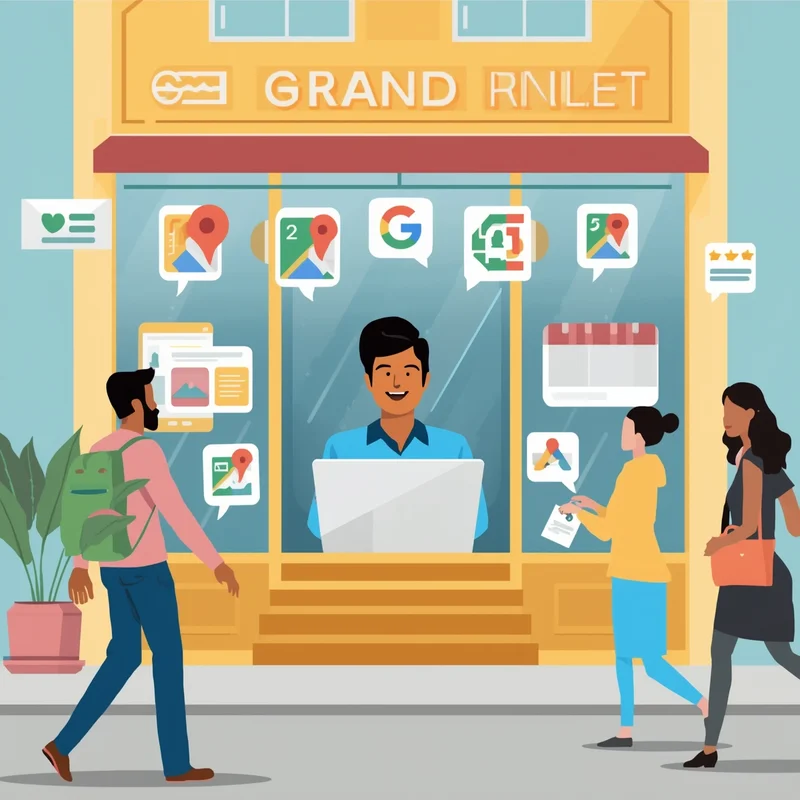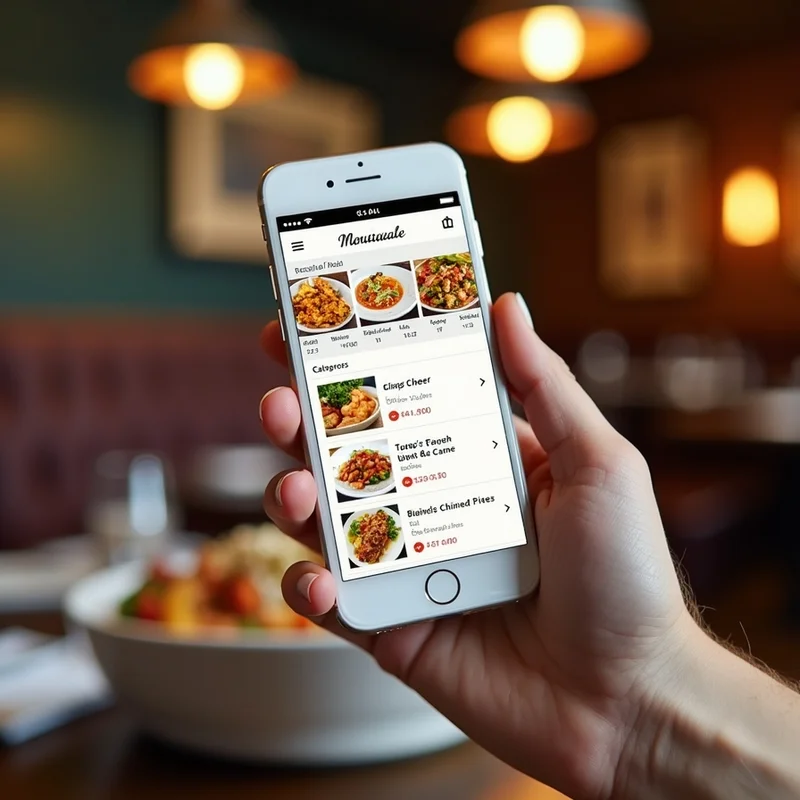
When hungry customers search for “restaurants near me,” they often check menus before deciding where to eat. If your menu is missing, outdated, or hard to read, you risk losing customers to competitors who present their offerings clearly.
For restaurant owners in India, a well-optimized Google menu is a powerful way to get more table bookings, online orders, and foot traffic. Here’s how to do it right.
Why Optimizing Your Google Menu Matters
- Helps Customers Decide Faster: People can see your dishes and prices instantly.
- Improves Local SEO: Google favors complete profiles, including menus.
- Increases Conversions: A well-structured menu attracts more clicks, calls, and orders.
- Builds Trust: Up-to-date information shows your restaurant is reliable.
Steps to Optimize Your Restaurant Menu on Google
Add Your Menu to Google Business Profile
Log in to your Google Business Profile, go to the “Menu” or “Products” section, and upload your dishes with prices and descriptions.
Use Clear Categories
Group items under headings like “Starters,” “Main Course,” “Desserts,” and “Beverages.” This makes it easier for customers to browse.
Write Mouthwatering Descriptions
- Use appetizing but simple language. Mention ingredients or cooking style when helpful (e.g., “Wood-fired thin-crust pizza with fresh basil”).
Keep Prices Updated
- Outdated prices can lead to frustration and poor reviews. Update them regularly.
Add High-Quality Food Photos:
- Photos of your best-selling dishes grab attention and increase clicks.
Highlight Specialties and Bestsellers
- Showcase signature dishes and chef recommendations to stand out.
Include Dietary Tags:
- Mark vegetarian, vegan, gluten-free, or Jain-friendly dishes for clarity.
Best Practices for Google Menu SEO
- Use Keywords Naturally: Include terms people search for, like “South Indian breakfast,” “Chinese noodles,” or “tandoori chicken.”
- Geo-Optimize Descriptions: Mention your location in descriptions where natural (e.g., “popular Pune street food snacks”).
- Avoid PDF-Only Menus: Text-based menus are better for SEO and easier for mobile users.
Promoting Your Menu Beyond Google
- Share menu updates on social media stories.
- Add them to your website’s menu page.
- Post weekly specials on LocalShouts (https://www.localshouts.com) to attract nearby diners.
- Send WhatsApp updates to regular customers.
Common Mistakes to Avoid
- Uploading blurry or poorly lit photos.
- Leaving seasonal items on the menu after they are unavailable.
- Not translating dishes into simple English when needed.
- Using only images without text—Google can’t read them well.
How LocalShouts Can Help Your Restaurant
LocalShouts (https://www.localshouts.com) allows restaurants to share menu updates, new launches, and promotions with nearby food lovers. This ensures more people see your latest offerings, leading to increased visits and orders.
Conclusion
- Your menu is one of your restaurant’s biggest selling tools—and online visibility can make or break a customer’s decision. By adding clear, updated, and visually appealing menus to Google, you make it easier for diners to choose you over competitors.
Combine this with platforms like LocalShouts to broadcast your menu updates and attract more customers.
FAQs
Can I upload a PDF of my menu?
- Yes, but it’s better to enter dishes as text for better mobile readability and SEO.
How often should I update my Google menu?
- At least monthly or whenever you change prices, add dishes, or remove items.
Do photos of dishes really matter?
- Absolutely. High-quality food photos can significantly increase click-through rates.
What if I run a cloud kitchen?
- You should still upload a menu. Customers want to know what you offer before placing an order.
Can I list special deals or combos?
- Yes, Google allows you to highlight special offers in the “Products” or “Posts” section.
Should I include allergen information?
- Yes, it helps customers with dietary restrictions and avoids negative experiences.