Introduction
Online reviews have become one of the most powerful tools for small and micro businesses in India. According to surveys, over 85% of consumers trust online reviews as much as personal recommendations. For local businesses, this means that every star on Google can directly affect foot traffic, calls, and sales.
But here’s the catch—collecting reviews the wrong way can backfire. Google has strict policies about review collection, and violating them can lead to reviews being removed or even suspension of your profile.
This guide will walk you through how to collect reviews safely, ethically, and effectively so you can boost your reputation, improve local SEO, and keep Google happy.
Why Google Reviews Are So Important
Before we talk about how to collect reviews, let’s look at why they matter:
Boost Local SEO Rankings
- Google reviews are a key factor in local search ranking. The more genuine, positive reviews you have, the higher your chances of appearing in the “Local Pack” (the top 3 map listings).
Build Customer Trust
- Prospective buyers often check reviews before deciding to visit or contact a business. A profile with 4.5+ stars and recent reviews feels credible.
Drive More Conversions
Good reviews not only attract clicks but also increase calls, website visits, and walk-ins.
Provide Business Insights
- Customer reviews give you valuable feedback to improve your products and services.
Platforms like LocalShouts (https://www.localshouts.com) also encourage businesses to maintain a healthy review strategy, as it helps in standing out among local competitors.
Understanding Google’s Review Policies
Google allows businesses to request reviews but has clear guidelines on what you can and cannot do. Breaking these rules can lead to:
- Removal of reviews
- Profile suspension
- Loss of local ranking
Here’s what Google prohibits:
- Offering Incentives: No discounts, freebies, or rewards in exchange for reviews.
- Review Gating: Asking only happy customers to review while discouraging unhappy ones.
- Fake Reviews: Posting reviews yourself or hiring people to post fake reviews.
- Bulk/Automated Reviews: Using bots or mass requests that look suspicious.
- Review Swaps: Trading reviews with other businesses.
The goal is to keep reviews authentic, unbiased, and useful for other customers.
How to Collect Reviews the Right Way
Follow these steps to build a strong, policy-compliant review strategy:
Ask Every Customer Politely
The simplest and safest way is to ask for a review after providing a service. Example:
"Thank you for visiting us today! If you have a minute, we’d love it if you could share your experience on Google. It helps other customers find us."
Use Your Google Review Link.
Google provides a unique link for your business profile. Share it with customers to make it easy for them to leave a review.
Steps:
- Sign in to Google Business Profile.
- Click “Get more reviews.”
- Copy the link and share via SMS, WhatsApp, or email.
Train Your Staff
If you have employees, teach them to request reviews at the right time (when the customer is happy with the service).
Add Review Links to Business Materials
Include the review link on:
- Bills & invoices
- Thank-you cards
- Email signatures
- Social media profiles
Use Follow-Up Messages.
For services like salons, clinics, or coaching centers, send a polite follow-up message a day later reminding customers to review.
Collect Reviews Consistently
Avoid sudden spikes in reviews (like 20 reviews in one day and none for months). Steady, natural growth looks more authentic to Google.
Creative but Policy-Compliant Review Collection Ideas
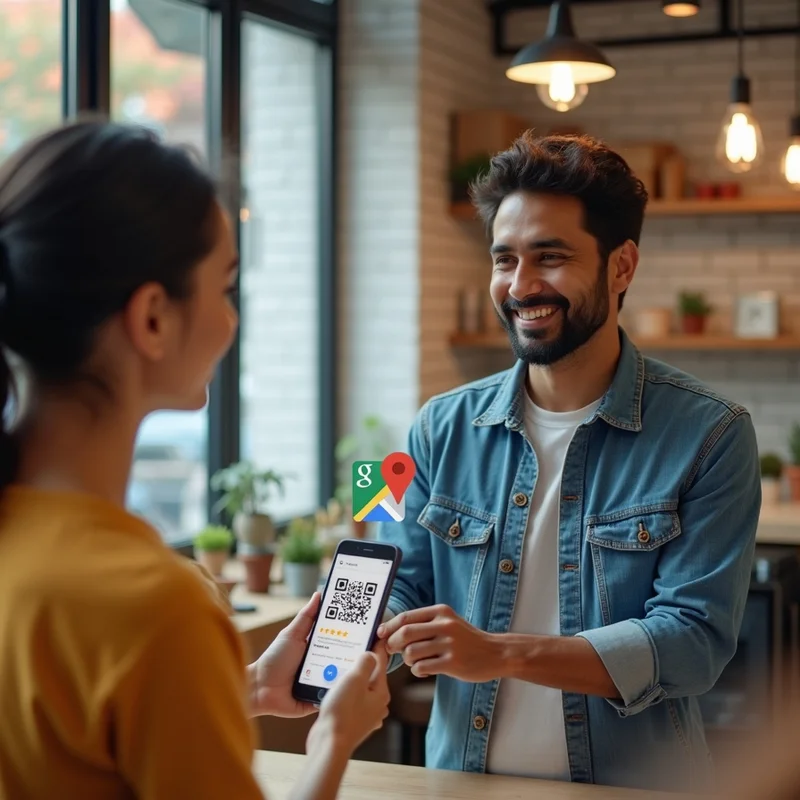
- QR Codes at Your Store: Place a QR code near the billing counter linking to your review page.
- Review Request Posters: Use a small sign saying “Happy with our service? Review us on Google!”
- WhatsApp Reminders: For small businesses in India, WhatsApp is very effective. Send the link with a short thank-you message.
- LocalShouts Profile Sync: If you list on LocalShouts (https://www.localshouts.com), you can direct customers there too—building trust across platforms.
How to Handle Negative Reviews
Part of collecting reviews is being ready to handle the bad ones:
- Respond Calmly: Thank the reviewer for feedback and apologize if needed.
- Offer a Solution: Invite them to contact you privately to resolve the issue.
- Show Professionalism: Other customers see how you handle criticism—this can turn a negative into a positive impression.
Why You Should Avoid Fake or Incentivized Reviews
Many small businesses are tempted to take shortcuts, but here’s why it’s risky:
- Google Can Detect Patterns: Similar wording, sudden spikes, and fake profiles get flagged.
- It Hurts Credibility: Customers can spot fake reviews and may lose trust in your business.
- Penalties Are Harsh: Suspended profiles take weeks to reinstate, and you could lose visibility.
Building real, authentic reviews may take time but pays off in the long run.
Monitoring and Managing Reviews
Collecting reviews is just one step—you also need to monitor them regularly:
- Check Reviews Weekly: Respond quickly to both positive and negative ones.
- Flag Spam Reviews: If a review is irrelevant or offensive, report it to Google.
- Track Trends: Look for patterns (e.g., many customers mentioning good service or a common complaint).
Benefits of a Strong Review Strategy
- Improved Local Pack Rankings—More reviews = better SEO.
- Higher Conversion Rate – Customers are more likely to call or visit.
- Stronger Brand Image—A consistent flow of positive feedback builds trust.
- Free Word-of-Mouth Marketing – Reviews act as digital referrals.
Common Mistakes to Avoid
- Asking only friends/family to review
- Posting fake reviews under fake accounts
- Using the same wording for every review request
- Ignoring negative feedback instead of responding
- Forgetting to monitor reviews regularly
Conclusion
Collecting Google reviews is one of the most effective ways to grow your small business and improve your local SEO. But it must be done the right way. By politely asking every customer, sharing your review link, and focusing on consistent, authentic feedback, you can build a strong online reputation without violating Google’s policies.
Remember—reviews are not just about stars; they are about trust. Pair your review strategy with platforms like LocalShouts (https://www.localshouts.com) to boost your credibility across multiple local listings and attract even more customers.
FAQs
Is it legal to ask customers for reviews?
- Yes, Google allows businesses to request reviews as long as you don’t offer incentives or pressure customers.
Can I ask only satisfied customers for reviews?
- No. That is called review gating and is against Google’s policy. Ask every customer equally.
What happens if I get fake negative reviews?
- You can flag them to Google for removal, but it may take time. Respond professionally in the meantime.
Can I give discounts in exchange for reviews?
- No. Offering rewards or discounts in return for reviews violates Google policies and may lead to review removal.
How many reviews should I aim for?
- There is no fixed number, but consistency matters more than quantity. Aim for a few new reviews every month.
How do I share my review link easily?
- Use your Google Business Profile dashboard to generate the link and share it via SMS, WhatsApp, or QR codes.