For small and micro businesses in India, social media is more than a platform for visibility—it is a powerful tool to generate leads, drive traffic, and increase sales. However, simply posting content or running ads without strategy rarely produces consistent results. That’s where a social media ad funnel comes in.
A social media ad funnel is a structured approach that guides potential customers through stages of awareness, interest, consideration, and action. By designing campaigns that match each stage of the customer journey, businesses can attract the right audience, nurture leads, and convert them into loyal customers.
This article explains how small businesses can create a social media ad funnel, key steps to implement it, and how tools like LocalShouts (https://www.localshouts.com) can simplify the process for maximum impact.
Understanding the Social Media Ad Funnel
- A typical social media ad funnel consists of three stages:
Top of Funnel (TOFU) – Awareness
- This stage focuses on attracting a broad audience and making them aware of your business. Content may include brand introductions, educational posts, or entertaining content that aligns with your audience’s interests.
Middle of Funnel (MOFU) – Consideration
- At this stage, the goal is to engage your audience and nurture leads. Content can include product demos, testimonials, special offers, or value-driven content that encourages users to interact and learn more.
Bottom of Funnel (BOFU)—Conversion
- This is the stage where the audience takes action—making a purchase, booking an appointment, or subscribing to a service. Ads here should include clear calls to action (CTA) and compelling offers to drive conversions.
By creating campaigns for each stage, small businesses can guide potential customers from awareness to action efficiently.
Define Your Goals
Step 1:
Before creating a funnel, identify what you want to achieve:
- Increase website traffic.
- Generate leads.
- Boost in-store sales.
- Promote a specific product or service.
Clear goals help determine the type of content and ads you should create for each funnel stage, ensuring your marketing efforts are focused and measurable.
Step 2: Know Your Audience
Understanding your audience is critical. Use analytics and insights from social media platforms to determine:
- Demographics: age, gender, location, occupation
- Interests: What topics, products, or services engage them?
- Behavior: When they are online and how they interact with content
This information allows you to craft ads that resonate with your target audience at each stage of the funnel, maximizing engagement and conversion potential.
Step 3: Create Compelling Content for Each Funnel Stage
Top of Funnel (Awareness)
- Eye-catching images or videos
- Educational posts about your products or services
- Engaging stories or community-focused content
Middle of Funnel (Consideration)
- Customer testimonials and reviews
- Product demos or behind-the-scenes content
- Limited-time offers or discounts
Bottom of Funnel (Conversion)
- Clear calls to action (Book Now, Shop Today)
- Retargeting ads for users who engaged earlier
- Special deals or bundles to incentivize purchase
Tailoring content for each stage ensures that potential customers receive relevant messages, increasing the likelihood of conversion.
Step 4: Use Retargeting Strategically
Not every visitor converts immediately. Retargeting allows you to reach users who have interacted with your content but haven’t taken action yet.
For example, a local café in Chennai can retarget people who viewed its weekend brunch post with a special offer. Retargeting increases the chance of conversion by keeping your brand top-of-mind for interested prospects.
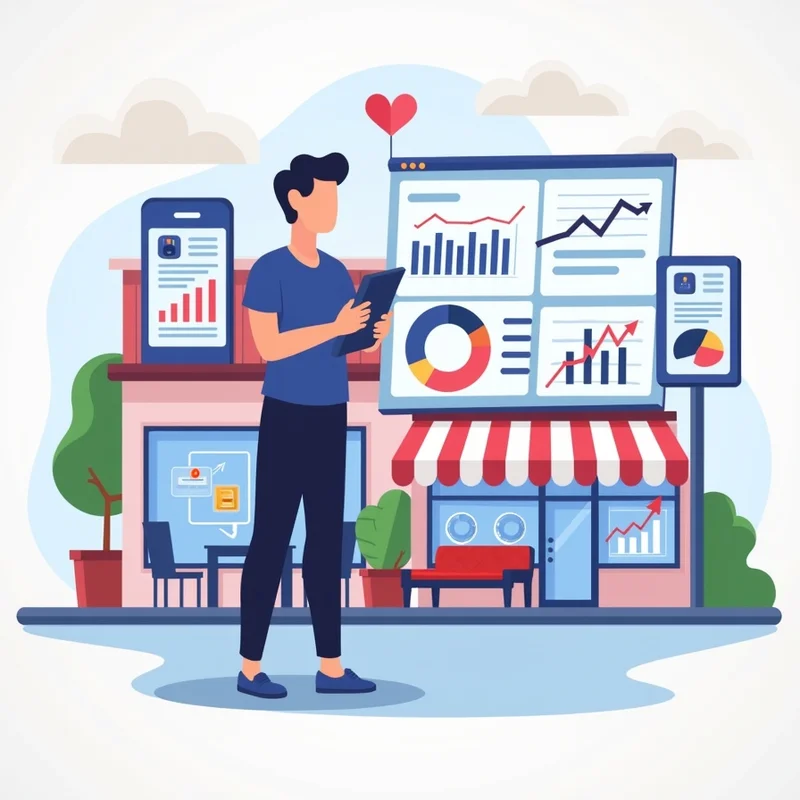
Step 5: Measure and Optimize
Tracking performance is essential for a successful ad funnel. Monitor metrics such as:
- Click-through rates (CTR)
- Engagement rates
- Conversions and sales
- Cost per lead or acquisition
Use insights to refine targeting, messaging, and creative elements. Platforms like LocalShouts (https://www.localshouts.com) provide tools to automate analytics and optimize campaigns for small businesses, saving time and improving efficiency.
Step 6: Integrate Social Media with Other Channels
An effective funnel doesn’t exist in isolation. Integrate social media campaigns with:
- Website landing pages for lead capture
- Email marketing for nurturing leads
- Google My Business updates for local visibility
This multi-channel approach ensures a seamless customer journey from awareness to purchase.
Case Study: A Boutique in Ahmedabad
A boutique in Ahmedabad wanted to increase sales of a new festive collection. They created a three-stage social media ad funnel:
- TOFU: Instagram reels highlighting the festive collection and brand story to attract new followers.
- MOFU: Carousel ads showing product details, customer reviews, and limited-time discounts.
- BOFU: Retargeting ads with “Shop Now” buttons for users who engaged with the previous ads.
Within a month, the boutique saw a 60% increase in website visits and a 35% boost in sales. LocalShouts (https://www.localshouts.com) helped manage the funnel, track performance, and optimize ads for each stage, ensuring efficient use of a small budget.
Benefits of a Social Media Ad Funnel for Small Businesses
- Structured Approach: Guides customers logically from awareness to purchase.
- Higher Conversion Rates: Personalized messaging increases the likelihood of conversion.
- Efficient Use of Budget: Focuses spending on audiences more likely to convert.
- Measurable Results: Analytics allow small businesses to track progress and ROI.
- Improved Customer Experience: Customers receive relevant, timely content at each stage of their journey.
Conclusion
- Creating a social media ad funnel is a game-changer for small and micro businesses in India. By understanding your audience, crafting stage-specific content, using retargeting strategies, and integrating campaigns across channels, businesses can attract, engage, and convert customers efficiently.
- Tools like LocalShouts (https://www.localshouts.com) make it easy for small businesses to design, track, and optimize social media ad funnels, ensuring that even limited budgets deliver maximum impact. With a well-planned funnel, your business can achieve measurable growth, build loyal customers, and strengthen its digital presence in competitive local markets.
Frequently Asked Questions (FAQs)
What is a social media ad funnel?
- It’s a structured approach that guides potential customers from awareness to engagement and finally to conversion using targeted social media campaigns.
Why is an ad funnel important for small businesses?
- It ensures resources are used efficiently, improves conversion rates, and creates a measurable path to growth.
How can I create content for each funnel stage?
- TOFU focuses on awareness, MOFU on engagement, and BOFU on conversion. Tailor messages and creatives to match the audience’s stage in the journey.
What is retargeting in a social media ad funnel?
- Retargeting reaches users who previously interacted with your content but didn’t convert, reminding them to take action.
How do I measure the effectiveness of a social media ad funnel?
- Track metrics like engagement, click-through rates, conversions, and cost per acquisition to assess performance and optimize campaigns.
Can LocalShouts help small businesses create ad funnels?
- Yes. LocalShouts (https://www.localshouts.com) provides tools and guidance to design, manage, and optimize social media ad funnels for small and micro businesses.