Introduction
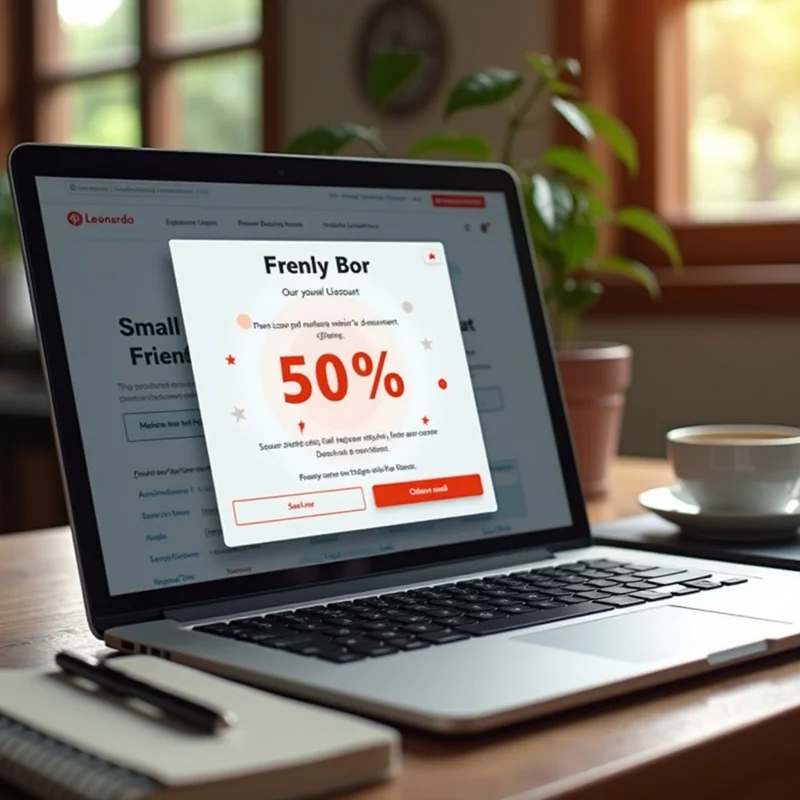
Pop-ups are one of the most debated website features. Some love them for their ability to capture leads and boost sales; others hate them for interrupting the browsing experience.
The truth is, pop-ups aren’t the problem—it’s how they’re used. If you’ve ever landed on a website and had your screen instantly covered with a giant sign-up form before you could even see what the site was about, you know how irritating bad pop-ups can be.
For small and micro businesses in India, getting website visitors to engage—whether that means signing up for a newsletter, redeeming an offer, or booking a service—is critical. But annoying your potential customers with poor pop-up practices can make them leave before they even get to know you.
In this guide, we’ll explore how to use pop-ups the right way so that they are helpful, well-timed, and effective in driving results for your business.
Why Pop-Ups Still Work
Despite their bad reputation, pop-ups continue to be one of the highest-converting website elements when done correctly.
Here’s why:
- They Grab Attention: A well-placed pop-up is hard to ignore.
- They Deliver Timely Offers: Perfect for promoting discounts, free consultations, or limited-time deals.
- They Build Your Email List: Collect visitor information to nurture relationships over time.
- They Reduce Cart Abandonment: Remind users of items they’re about to leave behind.
Platforms like LocalShouts (https://www.localshouts.com) can bring local visitors to your website, but pop-ups can help you keep those visitors engaged and convert them into leads or paying customers.
The Difference Between Good and Bad Pop-Ups
Bad Pop-Ups:
- Appear instantly, before users know what your site is about.
- Cover the entire screen on mobile.
- Are difficult to close or have no close button
- Pop up repeatedly even after being closed
- Show irrelevant offers.
Good Pop-Ups:
- Are timed to appear at the right moment
- Contain clear, valuable messaging
- Are easy to close if the user isn’t interested
- Works well on both desktop and mobile
- Feel like a helpful suggestion, not an interruption.
The goal is to make your pop-ups feel like part of the user experience—not an obstacle to it.
Types of Pop-Ups That Work for Small Businesses
Not all pop-ups are the same. Here are a few that work particularly well:
Exit-Intent Pop-Ups
- These appear when a user is about to leave your site (e.g., moving the cursor to close the tab). Great for offering discounts, free guides, or reminders to complete a purchase.
Scroll-Triggered Pop-Ups
- These only show after a user has scrolled down a certain percentage of the page, meaning they’re already engaged.
Time-Delayed Pop-Ups
- Appear after a set time—like 30 seconds—giving users a chance to explore before being interrupted.
Click-Activated Pop-Ups
- These appear only when a user clicks a button, like “Get Offer” or “Subscribe Now.” This is one of the least intrusive methods.
Slide-In Pop-Ups
- Instead of covering the whole screen, they slide in from the side or bottom. Perfect for promoting small offers or chat support.
Timing Is Everything
The biggest reason users find pop-ups annoying is bad timing. Here’s how to get it right:
- Don’t Show Pop-Ups Immediately: Give visitors 10–30 seconds to look around first.
- Use Exit-Intent for Last Chances: Capture users who are leaving rather than those just arriving.
- Consider Page Depth: Trigger pop-ups after they’ve scrolled at least 50% of a page—this means they’re interested.
- Frequency Capping: Don’t show the same pop-up repeatedly to the same user.
A visitor from LocalShouts (https://www.localshouts.com) is likely discovering your business for the first time. Give them time to understand what you offer before asking for action.
Crafting the Perfect Pop-Up Message
Your pop-up should be short, clear, and offer value.
- Keep It Simple:A single headline, a short description, and a call-to-action button are enough.
- Offer Something Useful: Discounts, free trials, free guides, or first-time customer offers work best.
- Create a Sense of Urgency: Use limited-time offers (“Get 10% off today!”), but avoid being pushy.
- Match Your Brand Voice: Make it feel friendly and trustworthy, just like the rest of your website.
Design Tips for Non-Annoying Pop-Ups
- Use Plenty of White Space: Don’t overcrowd the pop-up with too much text.
- Make the Close Button Visible: Users should easily dismiss it if they aren’t interested.
- Mobile-Friendly Design: Ensure it looks good and doesn’t block the entire mobile screen.
- Brand Consistency: Match your website’s colors, fonts, and style.
- Attention-Grabbing CTA: The button should stand out but look inviting, not aggressive.
Examples of Pop-Up Use Cases for Small Businesses
- Restaurant Website: “Get 10% off your first online order—sign up for our newsletter!”
- Salon or Spa: “Book now and get a free consultation for your first appointment.”
- E-commerce Store: “Wait! Here’s a 5% coupon before you leave.”
- Tutoring Service: “Download our free study tips guide and score better in exams.”
- Local Shop: “Join our WhatsApp list for special deals near you.”
Common Mistakes to Avoid
- Too Many Pop-Ups: Don’t bombard users with multiple offers on the same page.
- Hard-to-Close Pop-Ups: Users get frustrated if they can’t easily dismiss them.
- Irrelevant Offers: Don’t show a pop-up for women’s fashion to someone browsing electronics.
- Overly Aggressive Language: Avoid shouting at users with words like “MUST BUY NOW!!!”
- Ignoring Mobile Experience: Pop-ups that are hard to close on mobile can hurt your ranking on Google.
Pop-Ups and SEO—What You Should Know
Google penalizes intrusive pop-ups that block too much content, especially on mobile. Follow these tips to stay safe:
- Use small, non-obtrusive pop-ups (like banners or slide-ins) for mobile.
- Avoid full-screen pop-ups that appear immediately.
- Give users an easy way to dismiss the pop-up.
By respecting these guidelines, you can improve user experience while keeping your website search-friendly.
Conclusion
Pop-ups are powerful when used with care. They can grow your email list, boost sales, and keep visitors engaged—but they must feel helpful, not disruptive.
By timing them well, offering real value, and designing them for a smooth experience, you can turn pop-ups into a positive interaction rather than a frustrating one.
And once your website is optimized, don’t forget to list your business on LocalShouts (https://www.localshouts.com) to drive targeted local visitors who are more likely to engage with your offers and take action.
FAQs
Are pop-ups bad for SEO?
- Not if used correctly. Avoid full-screen pop-ups on mobile, and ensure they are easy to close.
What is the best timing for a pop-up?
- Typically after 10–30 seconds or once a user scrolls 50% down the page. Exit-intent pop-ups are also very effective.
Can I use pop-ups for WhatsApp marketing?
- Yes, you can have a pop-up inviting users to join your WhatsApp list for exclusive updates or deals.
How many pop-ups should I have on my site?
- Limit yourself to 1–2 well-placed pop-ups. Too many will annoy visitors and increase bounce rates.
Are slide-in pop-ups better than full-screen ones?
- For user experience, yes. Slide-ins feel less intrusive and work better for mobile users.
Should I A/B test my pop-ups?
- Absolutely. Test different headlines, offers, and timing to find what converts best without hurting user experience.