Introduction
Most businesses focus heavily on planning and promoting events—from arranging venues to sending invites and ensuring everything runs smoothly. But what happens after the event often matters just as much, if not more. The real success of an event isn’t just about attendance or sales; it’s about what follows—how well you nurture the relationships you’ve built.
For small and micro businesses in India, where word-of-mouth and community loyalty drive growth, post-event follow-up is a golden opportunity. It’s your chance to convert attendees into loyal customers, strengthen your brand image, and gather feedback that helps improve future events.
In this article, we’ll explore why post-event follow-up is so crucial and how you can do it effectively. Whether you’ve hosted a local pop-up, workshop, or community event, platforms like LocalShouts (https://www.localshouts.com) can help you stay connected with your audience and build meaningful local relationships.
Why Post-Event Follow-Up Matters
A well-executed post-event follow-up bridges the gap between one-time participation and long-term engagement. For small businesses, every event is a valuable touchpoint—a moment to make an impression that lasts.
Here’s why follow-up matters so much:
- Builds loyalty: A thank-you message or personalized note shows you value attendees’ time.
- Encourages repeat business: Reminding attendees about your products or services keeps your brand top of mind.
- Gathers insights: Feedback from participants helps you improve future events.
- Strengthens local ties: When people feel appreciated, they’re more likely to support your future initiatives and spread the word.
In short, following up isn’t just polite—it’s powerful marketing, especially in a local context where personal connection means everything.
Step 1: Send a Thank-You Message
Gratitude goes a long way. A simple thank-you email or WhatsApp message can make attendees feel special and acknowledged.
Keep your message short, warm, and personal. For example:
“Thank you for joining our Small Business Pop-Up this weekend! We loved meeting you and hope you enjoyed discovering local brands. Stay tuned for our next event—we’d love to see you again!”
If possible, include photos or highlights from the event to help people relive the experience.
Tools like LocalShouts (https://www.localshouts.com) often let businesses share event recaps, making it easy to show appreciation publicly and keep attendees informed about what’s next.
Step 2: Share Event Highlights
People love to see themselves featured in event recaps. Sharing photos, short videos, and testimonials on your website or social media helps sustain excitement and reinforces your brand’s community spirit.
When posting highlights:
- Tag attendees or local collaborators (with permission).
- Add captions that express appreciation.
- Mention future events or opportunities to connect again.
This not only strengthens your online presence but also attracts new followers who see your event’s energy and professionalism.
Step 3: Gather Feedback
Feedback is the foundation of improvement. Ask attendees what they liked most, what could be better, and what types of events they’d love to see next.
You can collect feedback through:
- Google Forms or surveys shared via email or WhatsApp.
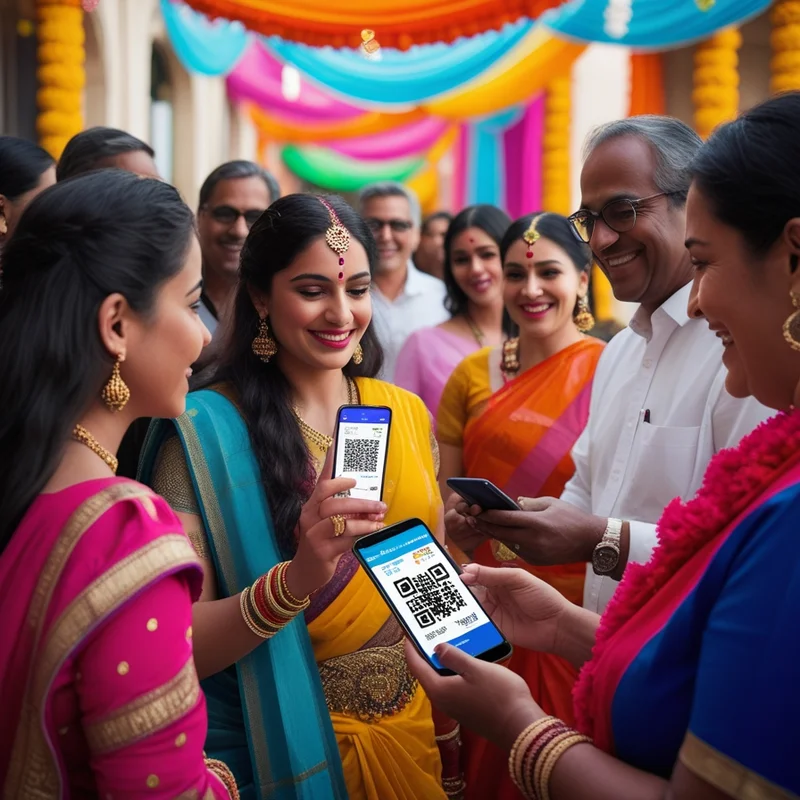
- QR codes displayed at the event leading to a feedback form.
- Follow-up posts on social media asking for comments.
When people see that you genuinely care about their opinions, they’re more likely to engage with your future initiatives.
A smart practice is to share key takeaways publicly:
“Thank you for your feedback! Based on your suggestions, our next workshop will include extended Q&A time and a special session on local marketing tips.”
It shows that you listen—and act.
Step 4: Offer Exclusive Deals or Invitations
Rewarding attendees for their participation helps convert engagement into loyalty. You can offer:
- Discount codes on products or services.
- Early access to your next event.
- Referral incentives for bringing friends next time.
For example, a local café that hosted a “Coffee Tasting Event” could follow up with a message like:
“Thanks for attending our tasting session! Show this message at the counter to enjoy 10% off your next visit.”
These small gestures make people feel valued while encouraging them to return.
Step 5: Connect on Social Media
After the event, invite attendees to follow your business on platforms like Instagram, Facebook, or LinkedIn. Social media is where ongoing engagement happens—from sharing updates to celebrating milestones.
Encourage participants to share their experiences with event-specific hashtags. This helps spread the word organically and builds a sense of community.
You can also create a private Facebook or WhatsApp group for your event attendees. It’s a great space to continue conversations, share updates, and promote upcoming activities.
Step 6: Highlight Collaborators and Sponsors
If your event involved partnerships with local vendors, artists, or service providers, make sure to acknowledge them publicly.
Tag them in posts, mention them in newsletters, or even create a short appreciation video. This not only strengthens partnerships but also helps expand your audience—since collaborators are likely to share your posts with their followers.
For example:
“A big thank you to our local partners—FreshBakes Bakery and GreenLeaf Café—for making our community meet-up delicious and memorable!”
Platforms like LocalShouts (https://www.localshouts.com) can also feature your event collaborations, showcasing how local businesses support one another.
Step 7: Publish a Post-Event Blog or Recap
A written recap on your website or social media gives the event a longer lifespan online. Include:
- Key moments and learnings
- Photos and quotes from attendees
- A summary of outcomes (like funds raised, new initiatives, or collaborations formed)
If your event had a community impact—such as supporting local artisans or raising awareness for a cause—highlight those achievements. This not only boosts credibility but also shows your business’s commitment to social good.
Step 8: Maintain Regular Communication
Don’t let the conversation end after one follow-up. Stay in touch with attendees through periodic newsletters or WhatsApp broadcasts.
Share updates such as
- Upcoming events
- New product launches
- Local news or collaborations
- Tips and insights related to your business niche
Consistency helps turn occasional visitors into repeat customers.
Step 9: Analyze Event Results
Before moving on, take time to reflect. How successful was your event overall? Did your follow-up bring measurable results?
Key metrics to analyze include:
- Attendance numbers
- Social media engagement
- New customer sign-ups
- Feedback ratings
- Repeat attendance in future events
Tracking these helps refine your event strategies and understand what resonates most with your audience.
Step 10: Plan Your Next Event with Better Insights
Every event offers a chance to improve. Use your follow-up data and feedback to design better, more engaging experiences.
For example, if attendees said they wanted more networking time, adjust your next event’s schedule accordingly. If people enjoyed a certain format, like panel discussions or live demos, include more of those.
By evolving your approach, you show that you value your community’s input—a key factor in sustaining trust and enthusiasm.
How LocalShouts Helps You Stay Connected Post-Event
LocalShouts (https://www.localshouts.com) isn’t just a platform for promoting events; it’s also an excellent tool for post-event engagement. You can share recaps, photos, and follow-up announcements directly on the platform, reaching both attendees and potential new audiences.
By listing and updating events regularly, businesses can maintain visibility, collect feedback, and build a consistent presence in their local ecosystem. LocalShouts simplifies the digital side of event marketing so that you can focus on what truly matters—building connections that last.
Conclusion
Post-event follow-up is not just a courtesy—it’s a growth strategy. For local businesses, it’s the moment when casual participants become committed supporters. Whether it’s a simple thank-you message, a feedback survey, or an exclusive invitation to the next event, every interaction counts.
By using platforms like LocalShouts (https://www.localshouts.com), small and micro businesses in India can streamline this process, ensuring that every event continues to create value long after it ends.
Remember: events build visibility, but follow-up builds relationships — and relationships are what keep your business thriving.
FAQs
1. Why is post-event follow-up so important?
Post-event follow-up helps maintain momentum, shows appreciation, and turns attendees into loyal customers. It’s crucial for long-term growth and relationship building.
2. What’s the best way to thank event attendees?
A personalized thank-you email, message, or social media post works well. Include photos, highlights, or exclusive offers to make it more engaging.
3. How soon should I follow up after an event?
Ideally within 24–48 hours while the experience is still fresh. Timely follow-up shows professionalism and enthusiasm.
4. What kind of feedback should I collect?
Ask about event content, organization, and suggestions for improvement. Use this data to make future events more effective.
5. How can post-event follow-up increase sales?
Offering discounts or early access to products and events encourages repeat purchases, turning attendees into customers.
6. How does LocalShouts help with post-event engagement?
LocalShouts (https://www.localshouts.com) enables businesses to share event updates, photos, and follow-ups easily, keeping their local audience informed and engaged.