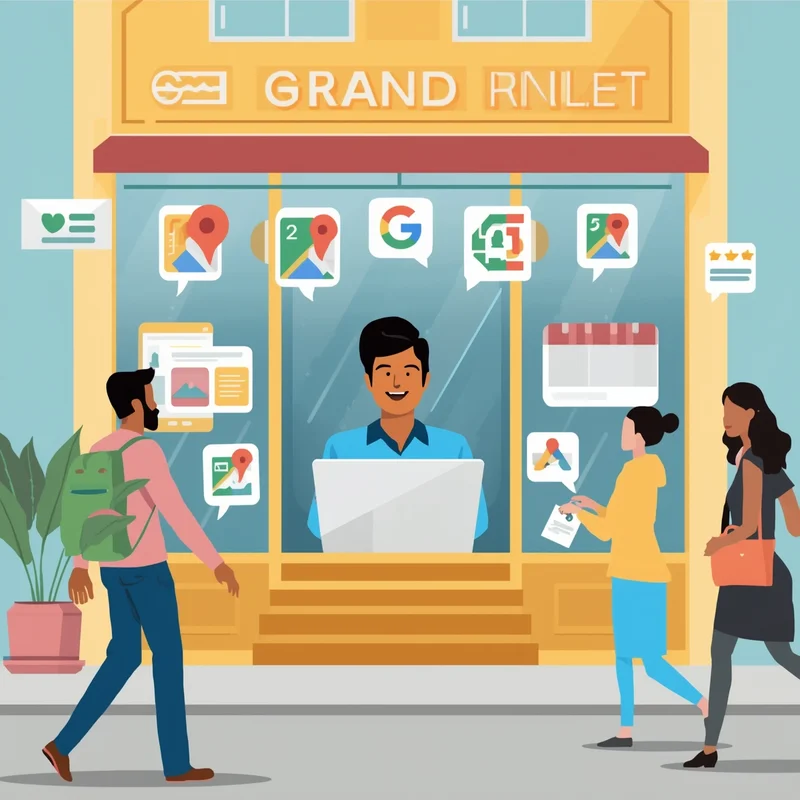
In the digital era, local businesses in India face increasing competition. Customers no longer rely solely on word of mouth—they turn to online maps and search to find nearby products and services. Google Maps has become an essential tool for businesses seeking to attract foot traffic and increase in-store sales. For small and micro businesses, understanding how Google Maps drives visits can unlock significant growth opportunities.
How Customers Use Google Maps
- Google Maps is more than a navigation tool. Customers use it to:
- Search for nearby businesses, services, or products.
- Compare locations, reviews, and ratings.
- Check operating hours and contact details.
- Find directions to physical stores.
- Studies show that a large portion of local searches on Google result in store visits within a day or two, making Google Maps a key driver of in-store traffic.
Why Google Maps Matters for Small Businesses
Increases Local Visibility
- When customers search for services or products “near me,” Google Maps displays relevant businesses in the local area. Optimized listings are more likely to appear at the top of these results, increasing your chances of being discovered by nearby customers.
Builds Trust and Credibility
- Map listings with accurate information, star ratings, reviews, and photos give potential customers confidence. They can verify your location, see what your business offers, and make informed decisions before visiting.
Encourages Immediate Action
- With features like “Call,” “Directions,” and “Website” buttons, Google Maps enables users to take instant action. This reduces friction and increases the likelihood of actual store visits.
Provides Data and Insights
- Google Maps and Google My Business provide insights into how users interact with your listing. You can see how many customers requested directions, called your store, or viewed photos. These metrics help businesses make data-driven decisions to improve foot traffic.
Supports Mobile-First Searches
- Most Google Maps usage comes from smartphones, and mobile users often perform local searches while already on the move. Optimizing your Maps listing ensures your business is visible at the critical moment when customers are nearby and ready to visit.
Strategies to Drive In-Store Visits Using Google Maps
Claim and Optimize Your Listing
- Ensure your Google My Business listing is verified, complete, and up to date. Include your business name, address, phone number, website, operating hours, and business category.
Add Photos and Videos
- Visual content attracts attention and helps customers visualize your store. High-quality images of the storefront, interior, products, or services can increase engagement and visits.
Encourage Reviews
- Positive reviews enhance credibility and influence decisions. Encourage satisfied customers to leave reviews, and respond to all feedback promptly. Tools like LocalShouts (https://www.localshouts.com) help manage reviews efficiently across multiple locations.
Use Google Posts.
- Share updates, promotions, and events through Google Posts. Active listings are more likely to appear in search results, and posts provide additional information that can entice customers to visit.
Ensure Accurate Location Data
- Incorrect addresses or missing map pins can lead to confusion and missed visits. Verify that your location is correctly pinned and matches your website and other listings.
Leverage Local Keywords
- Include location-based keywords in your business description and posts. For example, “Best bakery in Connaught Place” helps Google associate your business with local searches.
Highlight Offers and Promotions
- Special discounts or limited-time offers can motivate customers to visit your store immediately. Highlight these in posts, photos, and product listings.
Benefits of Optimizing Google Maps for In-Store Visits
Higher Foot Traffic
- Accurate and engaging listings increase the number of customers physically visiting your store.
Improved Customer Experience
- Clear information reduces confusion and helps customers plan their visit.
Stronger Online Reputation
- Listings with reviews, photos, and updates build trust.
Data-Driven Growth
- Insights from Google Maps help businesses understand customer behavior and optimize operations.
Conclusion
- If you're a small or micro-enterprise in India that wants to get more visitors to your company, Google Maps can be a valuable resource. You can improve, if not totally optimize, your Google My Business listing by optimizing it, uploading a couple of photos, requesting reviews from satisfied customers, posting to keep your customers informed, and keeping your business information current. By doing these things, your local presence will improve, you will attract more nearby potential customers, and there will be an increase in foot traffic to your business. Apps such as LocalShouts (https://www.localshouts.com) help with the efficiency of managing multiple locations and keeping your business present, credible, and engaged on Google Maps.
- For growing businesses in your local market, Google Maps becomes more than a navigation app. It becomes an engine for awareness, engagement, and visits. 0+
FAQs
How does Google Maps influence in-store visits?
- Map listings help customers discover businesses nearby, view photos, check hours, and get directions, which encourages visits.
Do reviews impact store visits through Google Maps?
- Yes, higher ratings and positive reviews increase trust and the likelihood of customers visiting your store.
Can Google Maps help businesses with multiple locations?
- Yes, using tools like LocalShouts (https://www.localshouts.com) helps manage multiple listings efficiently.
How often should I update my Maps listing?
- Regular updates, ideally monthly, ensure accurate information and improve visibility.
Do photos on Google Maps affect visits?
- Yes, high-quality images attract attention and help customers visualize your store, boosting foot traffic.
Can promotions on Google Maps drive more customers?
- Yes, posts and offers encourage immediate action and increase the likelihood of in-store visits.