Introduction
In today’s digital-first world, a restaurant’s reputation is determined not only by food, atmosphere, or service — but by its online reviews. Customers might discover you through Google, Zomato, or LocalShouts, but their choice to dine with you finally relies on what others have to say about you.
Online reviews are the new “word-of-mouth,” and they establish how our customers will think of our business. Most diners will read reviews before eating at a restaurant for the first time, and even a half-star bump in rating can have staggering effects on foot traffic and revenues!
For local restaurants, if a restaurant wants to survive and grow, it cannot just be a “nice-to-have” to improve online ratings. The good news is that with work and the right strategy, any restaurant can convert a mediocre review to a raving review.
Here’s how.
1. Deliver Memorable Customer Experiences
The foundation of good ratings begins offline — with customer experience. People rarely leave reviews for average experiences, but they often take the time to share when something stands out.
Here’s how to create memorable moments:
- Train your staff to greet every customer warmly.
- Serve food quickly, especially during peak hours.
- Handle complaints gracefully and promptly.
- Go the extra mile — even a small gesture like offering a complimentary dessert can leave a lasting impression.
When customers leave your restaurant smiling, they’re more likely to express their satisfaction online.
2. Ask for Reviews - in the Right Way
Many happy customers forget to leave a review without a nudge from you. Promptly asking them at the right time can easily change this.
Some other suggestions for asking:
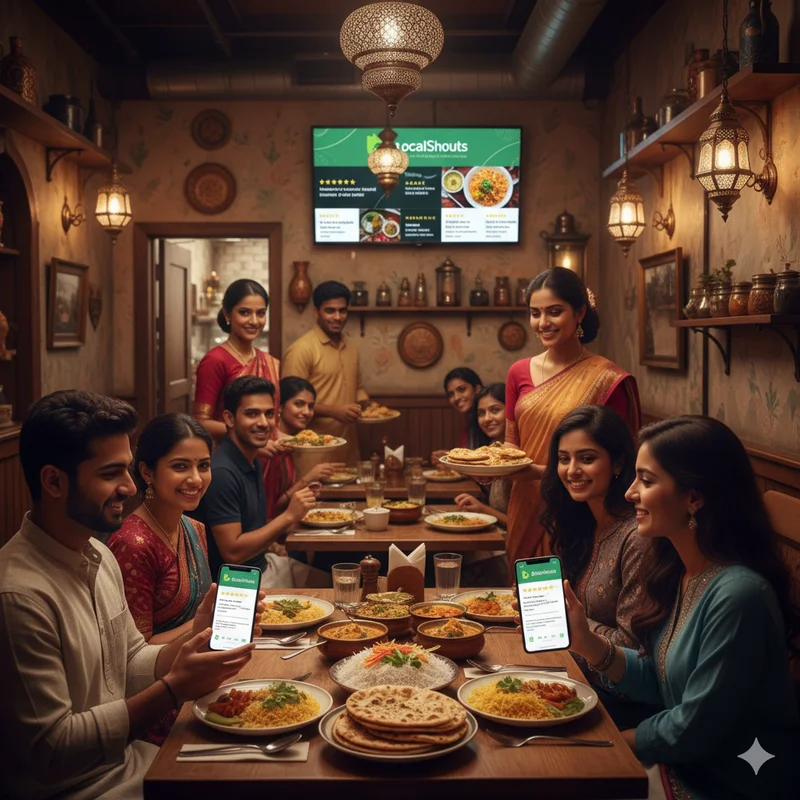
- At the end of the meal, your staff could simply say: "We would love to hear your feedback! You can leave it on Google or LocalShouts, it helps us tremendously grow."
- You could also put a QR code on a bill, menu card or a takeaway bag to share directly on your review page.
- Another idea could be to send a thank-you message, or WhatsApp link with a light reminder to leave a review after the delivery or dine in.
The easier you can make it for them, the more likely they will leave a review.
3. Claim Your Listings and Optimize
Many restaurants lose the potential for reviews because they are not optimized or even claimed for review.
Be sure your details for your restaurant are up to date on platforms such as:
- Google My Business (GMB)
- Zomato and Swiggy
- LocalShouts - (https://www.localshouts.com)
You will build more trust if your name, location, timing, and photos are consistent on all platforms for your restaurant, allowing customers to leave feedback with less friction.
Bonus tip: Use LocalShouts to create a verified, polished profile where diners can discover your restaurant and leave a rating.
4. Respond to Every Review — Positive or Negative
Engagement shows that you care about your customers. Responding to reviews, whether they’re good or bad, helps build credibility and demonstrates responsibility.
For positive reviews:
- Thank the reviewer personally.
- Mention something specific (like the dish they enjoyed).
- Example: “Thank you, Priya! We’re so glad you loved our Paneer Tikka. Hope to serve you again soon!”
For negative reviews:
- Stay calm and polite.
- Apologize for the issue, if valid.
- Offer to resolve it privately.
- Example: “We’re sorry your order took longer than expected. We’re improving our service — please message us so we can make it up to you.”
Even a negative review can turn into a positive impression if handled well.
5. Improve Consistency in Food and Service
Customers value consistency. A restaurant that serves excellent food one day and average food the next will struggle with mixed reviews.
To maintain steady ratings:
- Standardize recipes and preparation methods.
- Regularly train your chefs and staff.
- Double-check orders before serving or dispatching deliveries.
- Ensure portion sizes and presentations are uniform.
When customers get the same great experience every time, reviews naturally trend higher.
6. Use Feedback to Make Real Improvements
Reviews are more than just ratings — they’re insights into what customers truly think. Instead of ignoring them, use them as a tool to refine your business.
For example:
- If multiple people mention slow service, revisit your workflow.
- If someone complains about pricing, evaluate whether the value matches the cost.
- If several reviews praise your ambience, emphasize that in your marketing.
This approach not only improves your ratings but also helps you build a customer-driven restaurant.
7. Feature Reviews on Your Website and Social Media.
Seeing others give you positive remarks about your food makes others more comfortable to visit your restaurant.
There are several ways to do this:
- Post reviews as a top view, or story, or to your highlights on Instagram.
- Add testimonials to your restaurant’s website or to your menu boards.
- Post “Customer of the Month” on your restaurant's LocalShouts profile.
These actions not only build credibility for your restaurant, but they encourage others to leave reviews as they also may want to have their review featured.
8. Use LocalShouts for Digital Discovery.
LocalShouts (https://www.localshouts.com) is among the top sites for small restaurants to build trust and visibility.
When you get listed, you can:
- Be verified by Localshouts, giving your restaurant credibility.
- Encourage happy customers to leave local reviews.
- Draw in folks nearby who are looking for a restaurant in your area.
Unlike websites that allow anyone to list, LocalShouts is based on local engagement making it a perfect hub for neighborhood cafes, bakeries, and restaurants that want to grow through word-of-mouth and their online reputation.
9. Encourage User-Generated Content
People love sharing their dining experiences online. Encourage customers to tag your restaurant on social media or check in on platforms like Instagram and Facebook.
Offer small incentives such as:
- 10% off their next meal for posting a story.
- A free drink for sharing a review on LocalShouts or Google.
- Featuring their post on your restaurant’s social media pages.
This creates organic buzz while improving your digital reputation.
10. Train Your Staff to Handle Reviews Professionally
Your employees are the face of your restaurant. Their behavior directly affects what customers write online.
Key staff training tips:
- Encourage politeness, patience, and problem-solving.
- Teach them how to apologize sincerely when mistakes happen.
- Motivate them by sharing good reviews during team meetings.
When your team feels proud of their service, it reflects in how customers feel — and what they post.
11. Maintain Cleanliness and Presentation
Cleanliness and presentation are silent rating boosters. Even great food can’t save a restaurant that looks untidy or unhygienic.
- Keep dining areas spotless and well-lit.
- Present dishes neatly, both for dine-in and delivery.
- Ensure takeaway packaging looks professional and eco-friendly.
Customers notice these small details — and they often mention them in reviews.
12. Reward Loyal Reviewers and Repeat Visitors
People love being appreciated. A loyalty program tied to reviews can motivate customers to share feedback more often.
For instance:
- Offer a 5% discount after three reviews.
- Send a thank-you coupon to returning reviewers.
- Highlight your top reviewers on your LocalShouts listing or social media.
Such small acknowledgments can encourage repeat visits and stronger community ties.
13. Monitor Your Online Ratings Regularly
Keep track of your ratings across platforms to understand your performance trends.
You can use tools like:
- Google Business Dashboard (for overall ratings and views)
- LocalShouts analytics (to see local engagement and feedback)
- Social media insights (for customer mentions)
Monitoring helps you address issues before they escalate — ensuring your reputation stays strong.
14. Host Special Events and Collect Reviews On-Site
Organize small events like food tastings, live music nights, or festival-themed dinners. These experiences make customers more likely to leave enthusiastic reviews afterward.
Set up QR stands at tables or counters, asking attendees to share feedback instantly. Pair this with offers like:
- “Leave a review and get 10% off your next visit.”
- “Show your review at the counter to win a free dessert.”
Events not only create buzz but also generate authentic, happy reviews in real time.
15. Stay Active and Consistent Online
An inactive restaurant page gives customers the impression that your business is outdated or neglected.
Stay consistent by:
- Posting at least twice a week on your LocalShouts or social media pages.
- Sharing photos of dishes, interiors, and events.
- Announcing new menu items or promotions regularly.
When customers see your restaurant actively engaging online, they trust you more — and trust often leads to better reviews.
Conclusion
Improving your restaurant’s online ratings isn’t about luck — it’s about consistent effort, genuine care, and smart engagement. Every positive review begins with a great dining experience and ends with meaningful digital connection.
By focusing on customer satisfaction, responding thoughtfully, and maintaining a strong online presence through platforms like LocalShouts, your restaurant can build a glowing reputation that attracts both new diners and loyal regulars.
In today’s world, your reviews are your brand’s voice — make sure it speaks with warmth, professionalism, and quality.
FAQs
1. How often should I ask customers for reviews?
You can ask after every dine-in or delivery experience — just ensure it feels polite and not forced.
2. What should I do about fake or unfair reviews?
Report fake ones to the platform, and calmly respond to unfair reviews by clarifying your side without sounding defensive.
3. How can LocalShouts help with ratings?
LocalShouts provides a trusted platform for verified customer feedback and increases visibility for local diners discovering your restaurant.
4. Do reviews really affect foot traffic?
Yes. Studies show that even a small increase in star ratings can lead to significantly higher visits and orders.
5. How can small restaurants compete with big brands in reviews?
By being authentic, consistent, and responsive. Customers value genuine local experiences over corporate responses.
6. Should I offer discounts for reviews?
You can offer small incentives like loyalty points or thank-you coupons, but avoid “buying” reviews. Focus on authentic feedback.