Introduction
Walk through any city or town in India, and you’ll find two kinds of stores side by side — massive retail chains with shiny branding and deep discounts, and humble small shops that have served generations of loyal customers. While big retail chains dominate through volume, marketing, and technology, small local shops hold an equally powerful weapon: personal connection, trust, and adaptability.
In today’s digital era, small and micro-businesses are discovering that they don’t need to match big brands in size — only in strategy. With smart digital tools, customer loyalty programs, and platforms like LocalShouts (https://www.localshouts.com) helping them build online presence, small shops can compete effectively and thrive in their communities.
This article explores practical ways small shops can stand out, attract more customers, and build sustainable growth — even in the shadow of large retail chains.
1. Harness the Benefits of Digital Tools and An Online Presence
The initial step in leveling the playing field is going digital. While larger chains may have entire marketing departments, today smaller shops can manage their own digital footprint simply with free and inexpensive tools.
Start with these 3 basic and important tools:
- Google My Business (GMB): Signing up for GMB will help customers find your store on Google Maps and get information like reviews, pictures, and hours of operation.
- LocalShouts (https://www.localshouts.com): You can promote your store online, add your store info, and make an offer for customers within a reasonable distance.
- Social Media Pages: Utilize Instagram, Facebook, or WhatsApp Business to post product updates, customer stories, or promotions.
Having a digital profile indicates credibility, visibility, and big retailers rely on these two things.
Example: A boutique clothing store in Pune started posting customer images and reviews on Instagram. Within months, they doubled their walk-ins simply because people believed what they saw online.
2. Offer Personalized Customer Service
One of the biggest advantages small shops have over large chains is personal attention. Customers remember how you make them feel, not just what you sell.
Ways to personalize service:
- Greet regular customers by name.
- Keep track of their preferences and recommend products accordingly.
- Offer small tokens of appreciation during festivals or special occasions.
While a big retailer can offer discounts, your warmth and genuine care can create emotional loyalty that no price tag can match.
Pro Tip: A “Thank You” message after every purchase or a birthday wish on WhatsApp can turn a one-time buyer into a lifelong supporter.
3. Prioritize Relationship with the Community
Many small businesses hinge on relationships and trust. Building engagement in a community requires commitment beyond the transaction level.
Consider the following possibilities:
- Become a sponsor or participant in local events and in the schools in your area.
- Create some sort of collaboration with a nearby vendor and work together in your promotions.
- Share your "local" story on your LocalShouts profile — consumers enjoy contributing to familiar faces.
Consumers like knowing they are spending their money at a business that contributes to the neighborhood.
Example: A stationery shop in Jaipur held an art contest for children in the community, showcasing winning artwork in the store. The event grew sales and improved bonding with parents and the children.
4. Create an Experience that is Unique to Your Brand
When distinguishing itself, a small business should look intentionally at the things that its small brand does and not become focused on trying to compete with the larger chains.
Consider the following possibilities:
- Identify a niche in the products that you carry (e.g., handmade, locally sourced, packaged in eco-friendly materials).
- Provide an experience that promotes engagement and is not just a transaction. Engage their senses: gift-wrap, product demonstrations, social media tags, etc.
- Implement an authentic concept when designing your store: simple, clean, easy for the customer to maneuver.
- Don't practice poverty. You are unique. Large chains may look the same, but no one can own authentic stories. You and your originality can never be replaced.
5. Leverage Customer Reviews and Word-of-Mouth
Positive reviews can do more for small shops than any paid advertisement. Encourage happy customers to leave Google Reviews or testimonials on your LocalShouts page.
How to encourage reviews:
- Display a QR code at the counter linking to your review page.
- Offer small rewards (like a discount on the next purchase) for those who leave feedback.
- Share positive reviews on your social media.
Online trust builds visibility and credibility — and in the age of smartphones, reviews are today’s version of word-of-mouth marketing.
6. Use WhatsApp and SMS Marketing Smartly
You don’t need a massive marketing budget to keep customers engaged. WhatsApp Broadcasts, for example, are a powerful and personal tool.
You can use them to:
- Send updates about new stock arrivals.
- Share festival offers or loyalty rewards.
- Remind customers about limited-time discounts.
A jewelry shop in Delhi used WhatsApp to send catalog updates before Raksha Bandhan. The result? Repeat customers and 30% higher festive sales — without spending on ads.
7. Introduce Loyalty and Referral Programs
While big brands have loyalty cards, small shops can build their own version — simpler, friendlier, and more personal.
Ideas include:
- “Buy 5, Get 1 Free” cards.
- Cashback points for repeat purchases.
- A small referral reward for customers who bring friends.
Loyalty programs show that you value returning customers and encourage them to stick around, even when competitors offer discounts.
8. React to Market Changes Fast
Unlike larger stores that often need months to adjust, most small shop owners can react immediately to changes. This ability to be flexible is also a massive advantage.
- Try out new product lines or services.
- Change your prices during slow periods.
- Implement changes based on customer feedback quickly.
Example: There is a small bakery in Chennai that offered home delivery within 2 days of the lockdown through a WhatsApp order. This was accomplished much sooner than larger competitors with delivery apps. Even with corporate strategies, small shops can move and think local much quicker than other large corporate strategies.
9. Collaborate as Opposed to Compete
Collaborate, not compete is the new saying. Partner with other small businesses to help increase visibility and promote each other.
Examples of collaboration:
- A boutique and salon can promote each other's business.
- A cafe can make pastries come from a local baker.
- Shops in the same neighborhood can share a combined listing on LocalShouts (https://www.localshouts.com) to help reach more people and customers.
Together, small shops can form a community ecosystem that will attract customers as a whole — which is not easily replicated by larger corporate stores.
10. Highlight Local Products and Stories
People increasingly prefer supporting local makers and products with a story. Showcase local craftsmanship, regional specialties, or sustainable goods.
Feature signs like:
“Locally made in Nagpur.”
“Sourced from farms within 50 km.”
Adding a story behind your product gives it emotional value. Big retailers sell convenience — you sell connections.
Platforms like LocalShouts help amplify these stories to digital audiences, showing why your local business deserves attention and trust.
11. Optimize for Local SEO
Even if you run a small physical shop, your next customer is searching for you online right now.
Make sure you show up by:
- Adding keywords like “best grocery shop in [your area]” to your GMB and website.
- Using location-based tags on social media.
- Keeping your contact info and timings updated everywhere.
Search engines prioritize businesses that serve local intent, giving smaller players a fair chance against big brands.
12. Build Trust Through Consistency
Small shops often grow through steady reputation, not overnight success. Keep your quality consistent, maintain fair pricing, and communicate openly.
Customers forgive small mistakes — but they never forget honesty. Whether online or offline, transparency builds unshakable trust.
A consistent tone, clean branding, and regular updates on your LocalShouts listing can help reinforce professionalism and reliability.
13. Turn Your Shop Into an Experience
Shopping locally should feel memorable. Add elements that make customers enjoy their visit:
- A small tasting corner in a grocery store.
- A cozy reading nook in a bookstore.
- A photo wall for customers to tag on social media.
Experiential shopping can turn ordinary visits into shareable moments — boosting both footfall and online visibility.
14. Embrace Digital Payments and QR Systems
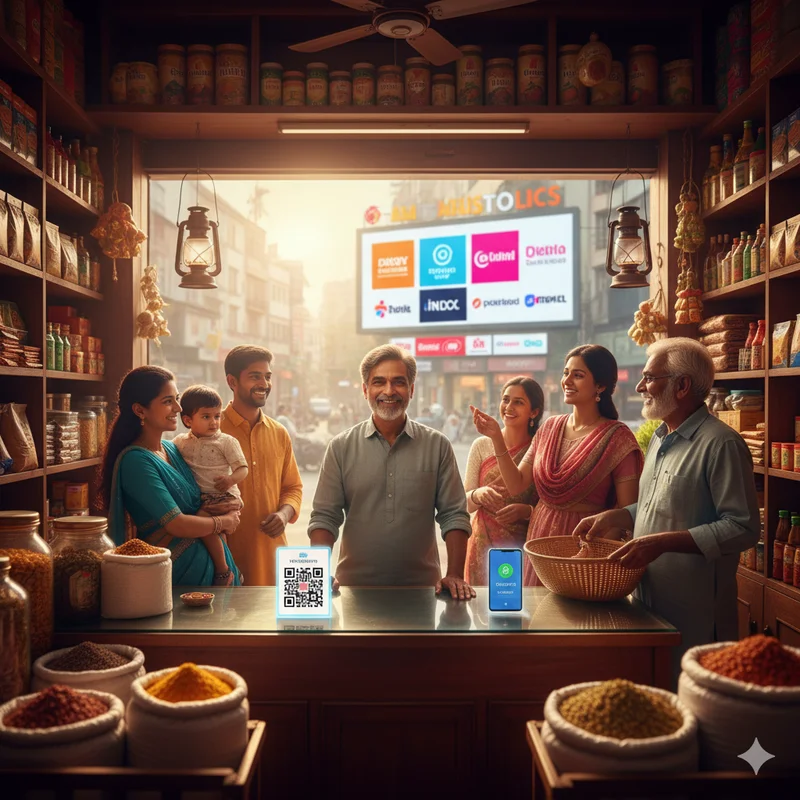
Convenience matters. Accepting UPI, Paytm, or other QR payments signals professionalism and saves time. It also helps track transactions and reduce errors.
Moreover, integrating payment solutions allows you to analyze buying patterns and plan inventory better — just like big retailers do.
15. Be Real — It's Your Superpower
At the end of the day, the single strongest advantage small retailers have over big box retailers is being real.
Customers can see who is operating the store, how they treat employees, and how they connect to the broader community. There is nothing real or human about big box stores; it's only a transactional experience.
Be authentic to yourself, continue to learn, and grow your brand out of relationships and community pride.
Conclusion
Big box retailers are not a size competition — it is a connection, creative and adaptable competition.
Small retailers who lean into technology, share their authentic stories and have strong relationships with customers do not just survive, they thrive.
Together, we can build visibility, trust, and growth in our community with the help of new digital resources, especially if you check out LocalShouts (https://www.localshouts.com), as well as Google My Business.
Remember big box retailers have money to support their business model, but you have meaning — and lately it's about time that meaning wins loyalty.
FAQs
1. How can small shops compete with big retail discounts?
Focus on service quality, personal relationships, and local trust instead of price wars. Offer loyalty rewards and personalized care to retain customers.
2. Do small shops need a website?
Yes. A basic website or a verified listing on LocalShouts (https://www.localshouts.com) helps increase visibility and trust online.
3. How important are Google Reviews for small shops?
Very important. Positive reviews improve online rankings, attract new customers, and enhance credibility.
4. What digital tools can small shops use?
Google My Business, WhatsApp Business, Instagram, and LocalShouts for online presence and customer engagement.
5. Can small shops run online promotions effectively?
Yes. They can use WhatsApp broadcasts, social media posts, and local listing sites to share offers directly with nearby customers.
6. How can small businesses maintain long-term growth?
By staying consistent, keeping customers engaged, and adapting to market changes while staying true to their local identity.