Introduction
In a restaurant, your wait staff is not just providing a service; they are sales representatives. The way they interact with customers can have a direct impact on satisfaction, repeat visits, and total spend. Upselling — suggesting higher-priced items or add-ons — is an effective way to increase profits without increasing headcount.
However, there is a fine line between a helpful suggestion and a pushy salesperson. A customer can sense immediately when someone is too aggressive. That's why it is so important to train your waiters how to upsell in a natural, conversational, and genuinely enthusiastic way.
In this article, we will look at some practical suggestions for helping your team learn how to upsell in a warm, professional and trustworthy way, all great attributes for small restaurants trying to garner community trust.
1. Start by Teaching Product Knowledge
The foundation of confident upselling is deep product knowledge. Waiters should know the menu inside out — not just the ingredients, but also the flavors, cooking style, and portion sizes.
Why it matters:
When waiters can describe dishes vividly, customers are more likely to order based on their recommendations.
Training tips:
- Conduct regular tastings so staff can experience each dish firsthand.
- Teach them about ingredients, spice levels, and dietary options.
- Encourage them to share genuine personal favorites, e.g., “The tandoori prawns are my personal favorite — perfectly smoky and tender.”
When recommendations come from real enthusiasm, they feel natural, not sales-driven.
2. Make Upselling About Experience, Not Price
The goal isn’t to make customers spend more — it’s to enhance their experience. Teach waiters to frame upselling in a way that adds value to the meal.
Example 1:
Instead of saying: “Would you like to try our premium dessert?”
Say: “If you enjoyed the spice in your curry, our coconut mousse balances it perfectly.”
Example 2:
Instead of: “Would you like to order a starter?”
Say: “Most guests love pairing that dish with our crispy corn bites — they complement each other well.”
This approach feels helpful rather than pushy, because it focuses on enjoyment, not spending.
3. Use Timing Wisely
Upselling works best when done at the right moment. Poor timing — like suggesting extras before a customer has even decided — can feel intrusive.
Train staff to:
- Offer add-ons after customers make their main decision.
- Suggest desserts or drinks midway through the meal, once they’re comfortable.
- Read body language — if guests look rushed or distracted, avoid pushing offers.
Right timing = right results. When customers feel settled and valued, they’re more open to suggestions.
4. Customize Each Recommendation
No one appreciates a pre-planned pitch. Servers should adjust their recommendations based on the customer's mood, what they ordered, and any other preferences they may have.
For example:
- If the customer ordered something spicy: "Would you like a sweet lassi to cool the heat on your palate?"
- If the customer is celebrating: "We have a beautiful dessert platter that's great for special occasions like this."
Modifying a recommendation personalized a conversation that feels genuine and attentive - it doesn't feel like it's rehearsed.
5. Positive, Descriptive Language
Words can increase or decrease someone's appetite. Train your staff to engage in delicious, sensory language that paints images in people's minds. Here are two versions of addressing soup, for example:
❌ "We have soup you would like to try?"
✅ "Our roasted tomato soup has a creamy texture and hint of basil -- one of our favorite soups."
Suggestions to train staff for engaging language:
- Don't use phrases that have the pressure of a hard-sell like, "You have to try this" or "This is the best."
- Do use inviting phrases like, "Many guests enjoy this" or "If you like X, I think you'll love Y."
Train staff to be conversational and confident.
6. Practice Active Listening
Upselling begins with listening. When waiters truly hear what customers want, they can make thoughtful suggestions instead of random ones.
For instance:
- If a guest says they’re not too hungry, recommend lighter dishes or shared portions.
- If they mention being vegetarian, suggest popular non-meat specialties.
Listening shows care — and customers trust suggestions that match their preferences.
7. Naturally Introducing Add-Ons
Add-ons—drinks, appetizers, desserts—can contribute to increased sales. Rather than pushing add-ons, train your staff to incorporate them as a natural part of the conversation. Examples: "Would you like to start with something refreshing? The mint cooler is popular for this kind of weather." "That dish goes nicely with garlic naan—would you like me to add one?"
A couple of small timely items like these typically lead to easy upsells without putting the customer on guard.
8. Role-Play Common Situations
Theoretical knowledge cannot take the place of practice, so plan some role-playing as part of your training. Things to roleplay are: * Politely recommending the specials. * Handling a "No, thank you." * Upselling to large parties vs. couples. Encourage the wait-staff to have fun experimenting with tone, timing, and phrasing and also give positive or constructive feedback about what sounds natural as a part of your on-going training. Pro tip: You can use real feedback from guests about what they like to change your training.
9. Generate Storytelling
Stories help guests to remember dishes. Teach the wait-staff to tell a brief authentic story about popular dishes. Examples: "Our chef created this recipe after his trip to Kerala-it is now one of our most coveted recognized dishes." "So many families order the signature thali because it reminds them of a home cooked meal." Storytelling not only creates an experience that builds emotion but also reinforces the brand identity.
10. Train Waiters to Read the Room
Every table is different. Upselling that works for one group may feel inappropriate for another.
Teach your team to observe:
- If customers are in a hurry — keep service quick and suggestions minimal.
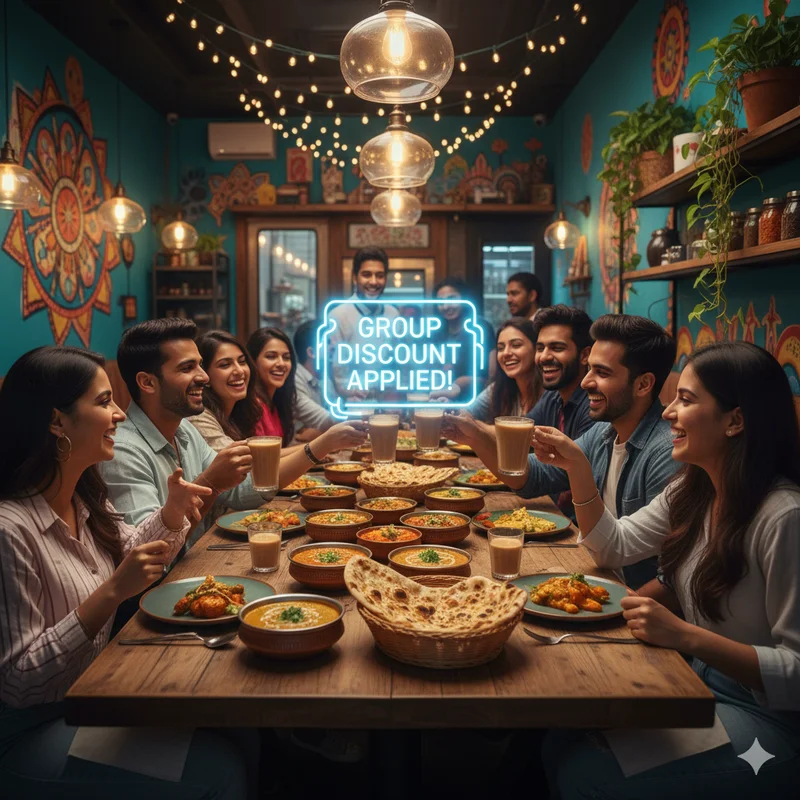
- If it’s a family gathering — highlight sharing platters or group offers.
- If it’s a couple — suggest romantic desserts or mocktails.
Empathy and observation are key to non-pushy, effective upselling.
11. Reward and Recognize Smart Upselling
Positive reinforcement encourages consistency. Instead of pressuring waiters to meet targets, reward those who upsell with care and customer satisfaction.
Ideas:
- Acknowledge top performers in team meetings.
- Offer small bonuses or gifts for achieving upselling goals.
- Share customer compliments during training sessions.
When recognition focuses on service quality, not just sales, staff learn the right balance.
12. Handle Rejection Gracefully
Customers won’t always accept suggestions — and that’s okay. Train waiters not to take “no” personally.
Good response example:
“Of course! If you change your mind later, just let me know.”
Politeness leaves the door open for future opportunities.
A pushy waiter may lose a customer for life — but a respectful one earns repeat visits.
13. Keep the Focus on Customer Delight
The most successful upselling comes from genuine care. If your team’s goal is to make every guest’s experience better, upselling happens naturally.
For instance, suggesting a dessert because it completes the meal — not because it increases the bill — feels authentic.
Encourage your staff to view every sale as creating joy, not just revenue. That emotional shift changes everything.
14. Use Digital Tools to Support Upselling
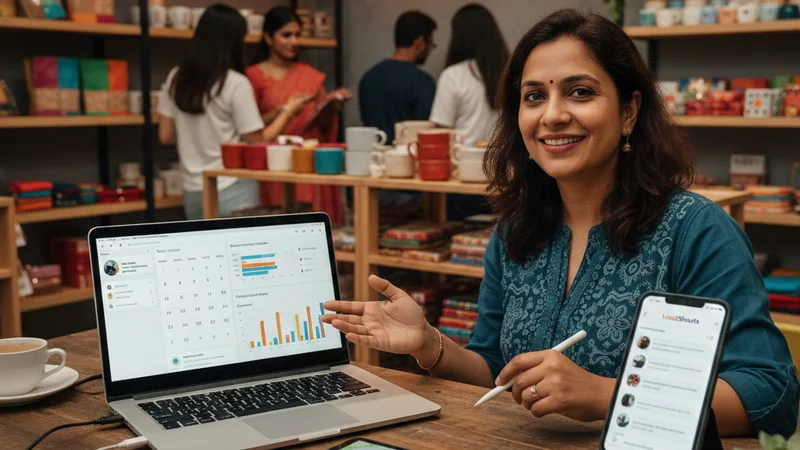
Platforms like LocalShouts can enhance your restaurant’s digital presence and help staff upsell effortlessly.
You can:
- Display your most-reviewed dishes online to build customer trust.
- Share stories about your menu on your LocalShouts page to generate curiosity.
- Collect customer feedback to understand which upselling tactics work best.
When your digital and in-person experiences align, customers feel a consistent sense of trust and engagement.
15. Keep It Authentic and Fun
Upselling shouldn’t feel forced or mechanical. Encourage your team to make genuine connections — smile, chat, and have fun while serving.
When waiters enjoy their work, customers feel it too. That emotional warmth often leads to higher tips, better reviews, and stronger loyalty.
Conclusion
Training waiters to upsell without being pushy is about balance — a mix of empathy, timing, and genuine enthusiasm. Customers appreciate helpful suggestions when they feel natural and relevant to their dining experience.
By focusing on communication, storytelling, and personal connection, your restaurant can increase sales while strengthening relationships.
Platforms like LocalShouts can support this journey by helping restaurants build online visibility, collect feedback, and connect with their community — making every upsell part of a larger story of trust and hospitality.
Remember, great upselling isn’t about pressure. It’s about passion — sharing what makes your food special in a way that customers appreciate and remember.
FAQs
1. What is upselling in restaurants?
Upselling means suggesting higher-value dishes, sides, or drinks that enhance the customer’s meal and experience.
2. Why is non-pushy upselling important?
Because customers dislike feeling pressured. Friendly, conversational suggestions increase both comfort and conversions.
3. How can I train staff to upsell naturally?
Focus on product knowledge, role-playing, storytelling, and listening skills during regular team training.
4. What are some examples of effective upselling?
Suggesting a dessert that complements the main course or offering a drink that pairs well with a spicy dish.
5. How do I measure successful upselling?
Track average order value, customer satisfaction, and positive mentions in online reviews.
6. Can small restaurants benefit from upselling?
Absolutely! Even modest upsells — like sides, desserts, or premium drinks — can significantly boost profits for small eateries.