Introduction
When it comes to operating a restaurant, amazing food and service are only part of the formula for success. What really differentiates a restaurant is its story, that is the story that adds context between the people, the passion, and the purpose behind every plate. In today's marketplace, particularly for small and local restaurants in India, storytelling has become one of the most valuable marketing tools for building brand loyalty.
Storytelling is not revolutionizing your marketing with 'catchy' slogans or expensive advertising. It is about sharing authentic, emotional, and relatable stories, such as the story of your grandmother's recipe that has inspired your menu, or how you have gone from a home kitchen to a busy café. This article focuses on how storytelling can change your restaurant marketing, allow you to connect deeply with diners, and how organizations like LocalShouts (https://www.localshouts.com) can help spread those stories throughout your community.
Why Storytelling Matters in Restaurant Marketing
People don’t just buy food — they buy experiences and emotions. A powerful story adds meaning to every meal and creates a lasting impression.
- It Builds Emotional Connection – A personal story about your origins or inspiration makes your brand more human and memorable.
- It Differentiates You – In a crowded market, your story is what sets you apart from hundreds of other eateries serving similar dishes.
- It Builds Trust – Customers are more likely to support a brand that feels genuine and transparent.
- It Encourages Word-of-Mouth – When people connect emotionally, they share your story — not just your food — with others.
A restaurant with a strong story becomes more than a place to eat. It becomes part of the community’s identity.
Each Restaurant Is a Story — Share Yours.
Not every restaurant's story is loaded with drama or complexity, it just has to be real! Here's a few types of stories that customers can relate to:
- Origin Story: What did the restaurant start out as? An idea, a family recipe, food truck..
- Passion Story: What was your motivation to cook, or to cook a specific type of cuisine?
- People Story: Who is working at your restaurant that makes your food, boldly focus on chefs, servers and suppliers who own your food.
- Community Story: What are the interactions like as a local independent restaurant with local customers around festivals or farmers.
- Sustainability Story: Are you using environmentally-friendly packaging, or buying food from local sources?
For example, a small dosa stall in Chennai can recount how the batter recipe has been passed down for three generations, while a small café in Pune can share the story of two friends leaving corporate jobs to serve authentic coffee.
When stories like these are told authentically, first-time visitors become regulars.
How to Use Storytelling in Restaurant Marketing
There are countless ways to weave your story into every customer touchpoint. Let’s explore the most effective ones.
1. Your Brand Identity
Your logo, tagline, and restaurant décor should reflect your story. If your restaurant celebrates traditional Indian recipes, use earthy tones, local art, and fonts that reflect authenticity. If you’re a modern café, let your story shine through minimalist design and innovation.
For example, instead of saying “We serve the best biryani,” say “Our biryani recipe comes from our founder’s grandmother, who cooked for royal feasts in Hyderabad.” That single sentence tells a story that makes your brand unforgettable.
2. Your Menu Can Tell a Story
Menus aren’t just lists — they’re storytelling tools. Add short narratives about how certain dishes were created or what inspired them.
Example:
“Nani’s Butter Chicken — a family recipe perfected over 30 years, cooked in a traditional clay pot for that nostalgic flavor.”
This adds emotional value to the meal. Diners love knowing what makes a dish special, and that story can often justify a premium price.
3. Use Social Media for Storytelling
Platforms like Instagram, Facebook, and YouTube are perfect for visual storytelling. Share snippets of your journey through photos, videos, and captions.
Ideas include:
- Behind-the-scenes moments in the kitchen.
- Employee stories — introduce your chefs or servers.
- Short clips showing where your ingredients come from.
- Customer testimonials with their favorite dishes.
When shared on discovery platforms like LocalShouts (https://www.localshouts.com), such content reaches local audiences looking for authentic dining experiences nearby.
4. Share Founder Stories on Your Website and Google My Business
Your website should have an “About Us” or “Our Story” section that narrates how your restaurant came to life. The same goes for your Google My Business (GMB) listing — many local businesses forget that GMB allows detailed descriptions.
A compelling “About” section can increase the time visitors spend on your website, improve SEO rankings, and create a sense of trust before they even visit.
5. Incorporate Storytelling in Visual Branding
Your photos, videos, and even tableware should reflect your restaurant’s essence. For example:
- A coastal restaurant could use sea-inspired blue tones and shell decorations.
- A heritage eatery could use old family photos, vintage menus, or traditional music.
Visual consistency across your physical space and online presence strengthens your brand identity and your story.
6. Partner with Food Bloggers and/ or Local Influencers
Enjoying a meal involves the experience and story. Invite food bloggers to tell your story, and when they share your narrative, it can elicit emotion from their readers resulting in greater awareness and trust of you and the restaurant experience.
Try platforms like LocalShouts (https://www.localshouts.com) to help partner restaurants find some local creators to share their brand story in an authentic way that resonates with followers.
7. Customer Stories Are Part of Your Story Too
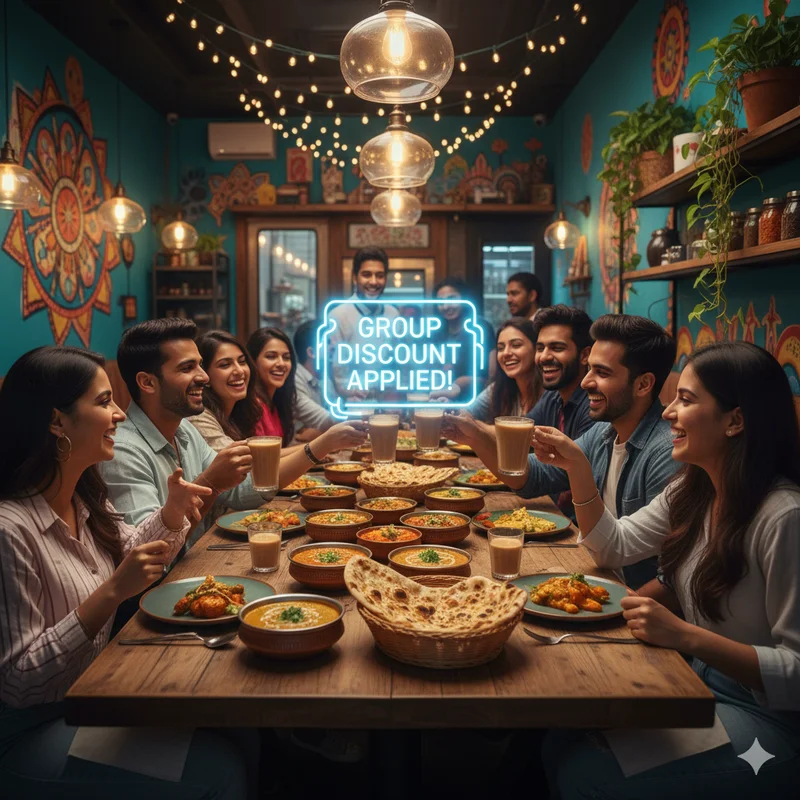
The best stories are often told by the customers. Ask your diners to share their experiences, photos, or reviews. Repost customer photos to your accounts, or write captions acknowledging the customer. For example:
"Ravi, his wife, and two kids have celebrated every birthday here for the last 5 years — thank you for being part of our family journey!"
This type of storytelling helps make the restaurant experience a community experience rather than a business concept.
8. Use Festivals and Seasons to Tell New Stories
Festivals in India are perfect storytelling opportunities. Whether it’s Holi specials, Eid delicacies, or Christmas desserts — every celebration can highlight your restaurant’s creativity and values.
For instance:
“This Diwali, our kitchen lights up with Grandma’s secret laddoo recipe — a sweet memory we’re proud to share with you.”
Seasonal storytelling keeps your brand fresh and relevant throughout the year.
9. Extend Storytelling to Digital Tools
With digital marketing, your story doesn’t have to stay inside your restaurant walls. You can share it across multiple touchpoints:
- Google My Business: Post updates about special events, new menu items, or milestones.
- LocalShouts (https://www.localshouts.com): Showcase your journey and connect with local customers who care about authentic brands.
- Email Newsletters: Share behind-the-scenes moments or introduce new dishes inspired by your story.
Digital storytelling ensures your restaurant stays top of mind even when customers aren’t dining with you.
How Storytelling Builds Long-Term Brand Loyalty
When customers feel emotionally connected, they’re more likely to return — even if competitors offer cheaper prices. A good story transforms a transaction into a relationship.
Think of Amul — its witty storytelling through advertising made it not just a brand but part of Indian culture. On a local level, your story can do the same by creating identity, pride, and belonging.
A Real-World Example: A Café That Tells Its Passion Story
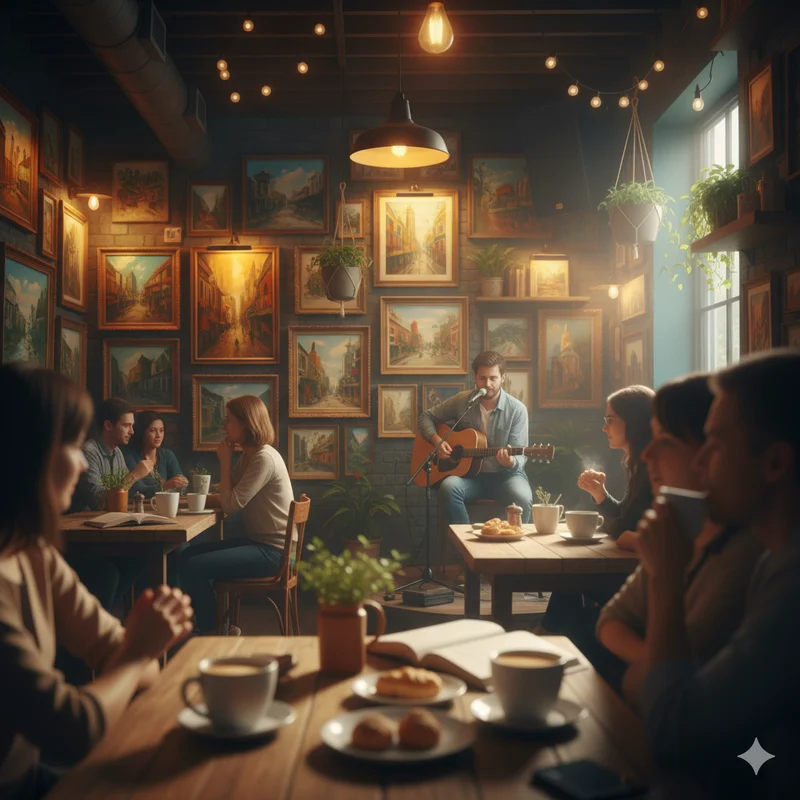
A quaint café in Jaipur began posting short videos about how its founders and a couple opened the café with one borrowed coffee machine and a driving passion to share real brews. When the café story went “viral,” customers then flocked in specifically to “meet the couple behind the coffee.” Within six months, the café saw a 3x sales increase, all due to their authentic storytelling.
That is the beauty of storytelling — it makes your restaurant something that people want to root for.
Conclusion
Storytelling is the heart of great restaurant marketing. It is what turns your food into experiences, your customers into fans, and your brand into a trusted entity in your community. Whether your story is about a family recipe, sustainable practices, or your passion for food, be sure to tell that story everywhere — your walls, your menu, and online.
With LocalShouts (https://www.localshouts.com), local restaurants in India will be able to share their authentic story, be seen by nearby potential customers, and foster a trust-driven emotional brand.
Most importantly, even if people forget what they ate (which they often do), they will never forget how your story made them feel.
FAQs
1. Why is storytelling important in restaurant marketing?
Because it humanizes your brand and builds emotional connections, making diners more likely to remember and recommend your restaurant.
2. What kind of story should my restaurant tell?
Share your origin, passion, or purpose — anything that feels authentic and reflects your values. Even small stories, told genuinely, can have a big impact.
3. How can I use storytelling on social media?
Post behind-the-scenes videos, chef introductions, customer experiences, or ingredient sourcing stories to create a personal touch.
4. Do small local restaurants really benefit from storytelling?
Absolutely. In fact, local restaurants have the biggest advantage — their stories are real, rooted in culture and community.
5. How does LocalShouts help with storytelling?
LocalShouts (https://www.localshouts.com) helps restaurants share their digital profiles, stories, and reviews, making it easier for local diners to discover and connect with authentic brands.
6. What’s the best way to start sharing my story?
Begin by writing your origin story. Share it on your website, GMB, and LocalShouts profile. Then, consistently post visual stories on social media to build your brand identity.