Introduction
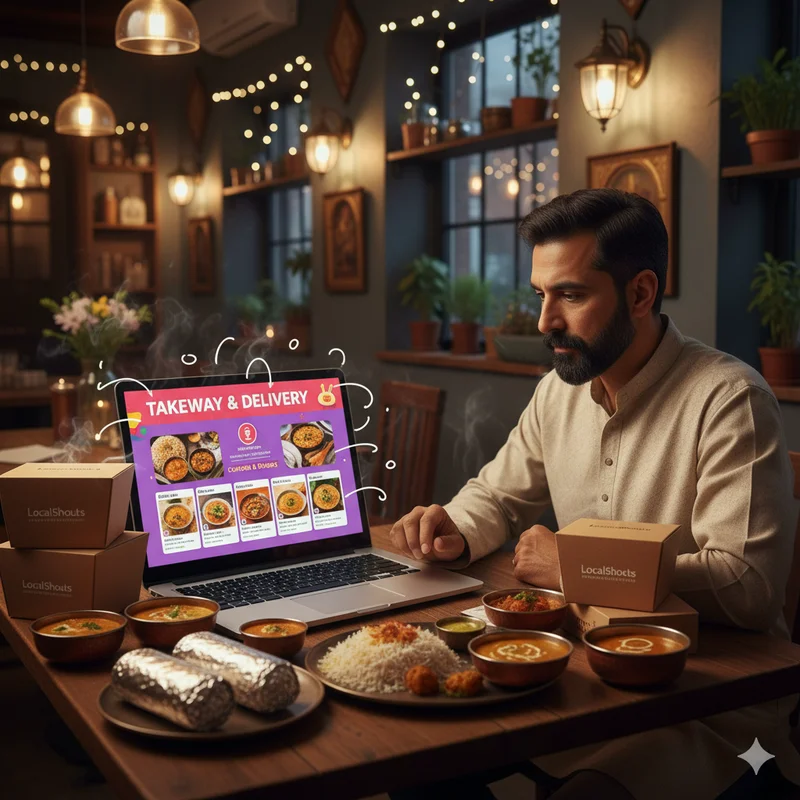
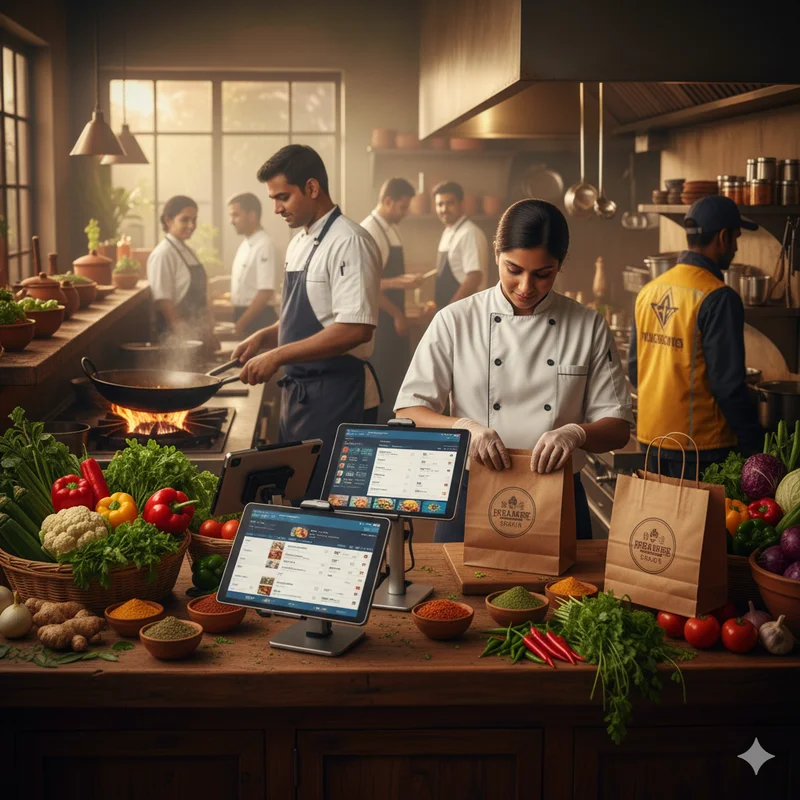
The evolution of the online food delivery system has resulted in new models of food consumption for small restaurants in India. People prefer to order food from home through applications or websites. For restaurant operators, this shift creates opportunities — it comes with many challenges too.
The logistics of fulfilling online orders need an efficient system, communication, and coordination between the kitchen, the delivery partner and the customer. If the logistics and delivery go smoothly, it can lead to incremental revenue, customer loyalty to the brand and increase revenue.
This article will offer simple and practical tips for small restaurant owners, who want to offer their meals online for delivery, and manage the orders in a way that doesn't compromise control of operations. It will also highlight a platform like LocalShouts (https://www.localshouts.com) that small and micro food businesses can use to increase their digital footprint and gain online customers from their local market.
1. Set Up an Efficient Online Ordering System
The first step to managing online orders is choosing the right ordering system for your restaurant.
You have two main options:
- Third-party delivery apps (like Swiggy, Zomato, or Magicpin).
- Direct online orders through your website or WhatsApp.
While third-party apps offer visibility, they also charge commissions. That’s why many small restaurants also set up their own online ordering pages.
Tips:
- Use user-friendly systems that send real-time notifications for every order.
- Ensure the platform integrates well with your POS (Point of Sale) system.
- Offer multiple payment options — UPI, cards, and cash on delivery.
- Use platforms like LocalShouts (https://www.localshouts.com) to list your restaurant and connect with customers looking for local eateries nearby.
A reliable ordering system reduces confusion, improves order accuracy, and keeps your kitchen organized.
2. Streamline Your Menu for Online Ordering
Your online menu needs to be clear, concise, and easy to explore. Unlike diners who can seek clarification from a server or manager, customers placing orders online will decide in seconds. Some suggestions for your online ordering menu include:
- Showcase your best-selling and guest-favorite items.
- Use appealing images of each item on your menu.
- Keep your menu item descriptions short and to the point that entices customers.
- Avoid any option that is too complicated and can't be served hot and fresh.
- Group items in some logical order (e.g. Starters, Mains, Desserts, Beverages).
If you are changing your menu often, keep your digital listings up-to-date, especially listings on Google My Business and LocalShouts. Outdated listings lead to the risk of cancelled orders or disappointed customers.
3. Prepare Staff to Manage Online Orders
The rhythm of orders coming in through online ordering is a different pace than traditional order-taking. Online takeout orders are fast moving and are time sensitive, so staff will need to be trained how to manage these customers so that you can maintain consistency.
Areas of training should include:
- How to retrieve and confirm online orders quickly.
- Organizing food and labelling correctly for takeout orders.
- Communication with 3rd party delivery service for order pickup.
- Following up with customer feedback/complaints professionally.
Smaller restaurants with fewer staff can benefit from adding one staff person to only manage the online orders during rush times to prevent confusion for dine-in orders and takeout orders.
4. Invest in Quality Packaging
Good packaging is just as important as good food when it comes to delivery. Customers judge your brand by how their food arrives.
Smart packaging tips:
- Use leak-proof, eco-friendly containers.
- Separate sauces, salads, and fried items to maintain quality.
- Label every box clearly with the dish name.
- Add your logo or branding to create recognition.
- Include a small thank-you note or discount code for the next order.
Well-packaged food reduces returns, increases satisfaction, and helps customers remember your restaurant.
5. Keep Communication Clear and Transparent
Online customers appreciate real-time updates. Keeping them informed reduces anxiety and prevents unnecessary cancellations.
Here’s how to maintain clear communication:
- Send instant confirmation once an order is received.
- Update estimated delivery time.
- Notify customers if there’s a delay due to high demand or traffic.
- Include a contact number or WhatsApp for urgent queries.
Restaurants that maintain transparency build stronger trust — and receive better online ratings.
6. Use Google My Business and Local Listings
Your Google My Business (GMB) profile is one of the most powerful tools for attracting online orders locally.
Optimize your GMB listing:
- Add high-quality photos of your dishes.
- Keep your menu, contact info, and hours updated.
- Encourage happy customers to leave reviews.
- Post updates about special offers or new dishes.
Similarly, listing your restaurant on LocalShouts (https://www.localshouts.com) helps your business appear in local search results, connecting you with nearby food lovers searching for takeout or delivery options.
A strong digital presence means more visibility — and more orders.
7. Manage Order Timing and Kitchen Workflow
Balancing dine-in and online orders can be challenging. If not managed well, one can affect the other.
Tips for better workflow:
- Use a separate counter or area for online order preparation.
- Schedule staff shifts based on online order peaks (like lunch or dinner hours).
- Prioritize orders using a time-tracking system.
- Keep your delivery menu slightly different from the dine-in menu to simplify kitchen operations.
Efficiency in the kitchen leads to faster delivery and happier customers.
8. Monitor Inventory and Stock in Real Time
Online orders can spike unexpectedly — especially during weekends, festivals, or local events. Running out of ingredients mid-day can ruin customer trust.
Inventory management best practices:
- Track fast-moving items daily.
- Set reorder alerts for key ingredients.
- Keep a safety stock for popular dishes.
- Update your menu immediately when an item runs out.
Digital inventory tools and POS integrations can make this process easier and reduce wastage.
9. Partner With Reliable Delivery Services
The delivery experience is an extension of your brand. Even if your food is excellent, a poor delivery experience can lead to bad reviews.
What to look for in a delivery partner:
- Punctuality and professionalism.
- Proper food handling and hygiene.
- GPS tracking and customer updates.
- Feedback and support mechanisms.
You can either rely on platforms like Swiggy or build your own local network of delivery personnel for nearby orders. Listing your business on LocalShouts helps connect with trusted local delivery partners who serve small businesses.
10. Encourage Customer Feedback and Reviews
Feedback is a free, powerful tool to improve your service. Every online order is an opportunity to strengthen your restaurant’s reputation.
Encourage feedback through:
- Thank-you notes with QR codes linking to Google Reviews.
- Follow-up messages asking for honest opinions.
- Small incentives like discount coupons for reviews.
Positive reviews not only attract new customers but also improve your restaurant’s ranking on Google and LocalShouts.
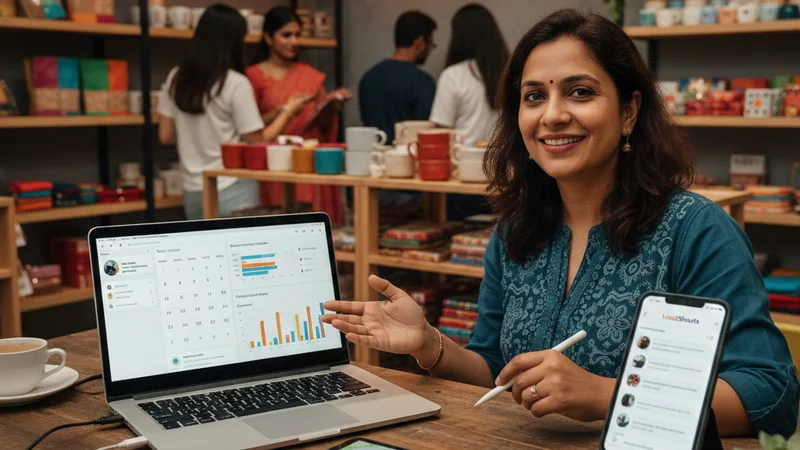
11. Analyze Data to Improve Efficiency
Your online order data tells a story — use it to make smarter decisions.
Monitor:
- Peak order times.
- Popular dishes and combos.
- Customer locations and repeat orders.
- Ratings and feedback trends.
By analyzing this data, you can adjust your pricing, staffing, and promotions to maximize profit.
Example:
If you notice most orders come from offices between 12–2 PM, you can introduce an express lunch combo or a “Corporate Saver Meal” to increase efficiency and appeal.
12. Offer Loyalty Programs and Exclusive Deals
Keep your customers coming back by rewarding them.
Ideas for loyalty programs:
- “Order 5 times, get 1 free meal.”
- Exclusive discounts for online customers.
- Early access to new menu launches.
- Referral rewards for friends and family.
These programs encourage repeat orders and build long-term relationships.
You can promote these offers on LocalShouts, where users often look for deals and local recommendations before placing an order.
13. Stay Consistent to Foster Trust
Consistency transforms first-time customers into loyal ones — whether food quality, delivery times, or packaging., customers expect to receive the same amazing experience time and time again.
Make sure your restaurant creates and delivers exactly what your online menu describes. Building trust as a brand means you'll be consistently provided the same exemplary service and grow together over time.
Conclusion
It's no longer a matter of option — it's imperative that you as a small restaurant operate online orders efficiently and effectively to survive and grow in today's digital world.
When you operate with the right online ordering technology, train your teams, and receive and share transparent communication throughout the experience, you have the ability to successfully create great experiences for customers and further build your restaurant's reputation online.
Brands like LocalShouts (https://www.localshouts.com) make this process easier by helping small restaurants in India increase their visibility, manage their listings, establish direct relationships with local food lovers, all without high commissions.
If you come away with one takeaway — balance online ordering for your restaurant with visibility that supports trust and connection. Online ordering is not simply a convenience, it's about connection. Each order is an opportunity to share your family's story as a brand, build trust, and mindfully serve happiness outside of what is possible inside your restaurant.
FAQs
1. What is the best way for small restaurants to run an efficient online order service? Invest in a good ordering system, properly train employees, and have a clear communication system for the kitchen, delivery person, and customer to communicate properly.
2. What is the best way to handle an online order when delivery is late?
Let the customer know immediately, apologize, and then maybe offer a discount or free item to avoid losing that customer's goodwill.
3. Should small restaurants depend entirely on the delivery apps?
No, invest in your product ordering system and talk to friends and customers about helping you get set up on the local listings in localshout's listings.
4. What are ways to get more online customers?
Update and optimize your Google My Business and LocalShouts profile, respond quickly to all reviews and try to offer discounts and/or rewards for new customers.
5. How important is packaging for delivery service?
It is extremely important, packaging determines the quality of food, brand visibility, and customer impression.
6. What is the role feedback has in online order management?
The feedback helps to point out operational kinks, and it helps with credibility. Always ask and respond to review customers.