Introduction
Small and micro businesses in India face a difficult task in the fast-paced market of today: luring clients is one thing, but retaining them is quite another. Businesses need to look beyond product features and pricing because there are competitors everywhere and consumers are always inundated with options. They must establish an emotional bond with their clients.
Emotional branding enters the picture here. The skill of establishing a deep bond between a brand and its target market by appealing to their emotions, values, and goals is known as emotional branding. It's a relationship-building tool that turns infrequent consumers into devoted supporters for small businesses, not just a marketing tactic.
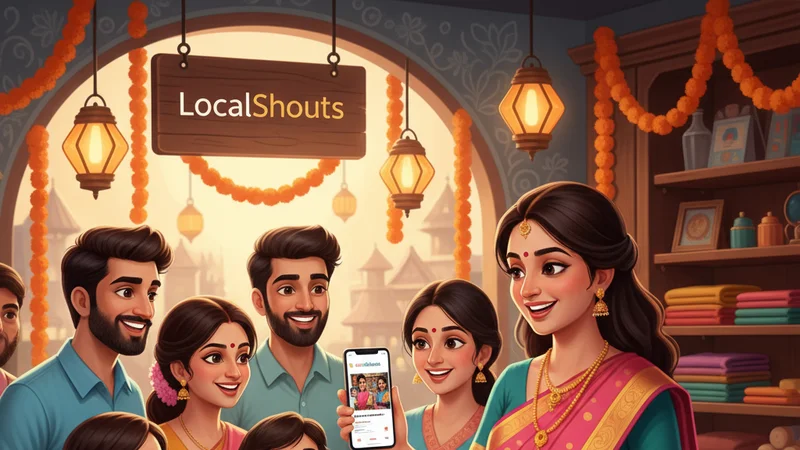
Small businesses can enhance their emotional branding efforts by showcasing their story, values, and community focus to local audiences through platforms such as LocalShouts (https://www.localshouts.com). This post will discuss how emotional branding increases client loyalty and how Indian small businesses can successfully use it.
What Is Emotional Branding?
Emotional branding is the process of creating a brand identity that resonates with customers on a personal level. Unlike traditional branding, which focuses primarily on products or services, emotional branding aims to evoke feelings such as inspiration, pride, joy, trust, or nostalgia.
For example:
- A local organic food store highlighting the warmth of family meals and traditional recipes
- A boutique showcasing the pride and confidence that comes from wearing handcrafted clothing
- A fitness studio emphasizing self-empowerment and wellness for busy urbanites
When customers feel emotionally connected to a brand, they are more likely to return, recommend it, and engage actively.
Why Emotional Branding Matters for Small Businesses
For small and micro businesses, emotional branding offers several advantages:
1. Builds Deep Customer Loyalty
Customers who feel emotionally connected are less likely to switch to competitors, even if the competition offers lower prices or similar products.
2. Differentiates Your Brand
In crowded markets, emotional branding makes your business memorable. It’s no longer just about the product — it’s about the story, experience, and feelings you provide.
3. Encourages Word-of-Mouth Marketing
People love to share experiences that resonate with them emotionally. Customers are more likely to recommend a brand that evokes positive feelings.
4. Enhances Customer Lifetime Value
Loyal customers tend to spend more over time. Emotional connections increase repeat purchases and long-term engagement.
5. Strengthens Online Presence
Emotional branding content — whether on social media, websites, or platforms like LocalShouts (https://www.localshouts.com) — encourages shares, engagement, and community participation.
Key Emotional Triggers That Drive Loyalty
To create emotional branding that resonates, small businesses must understand the psychological triggers that influence behavior:
1. Trust
Customers need to feel confident that your business delivers on promises. Transparency, consistent quality, and honest communication build trust.
2. Joy and Delight
Experiences that make customers happy or pleasantly surprised create positive associations with your brand.
3. Belonging and Community
People love brands that make them feel part of a community. Local events, customer groups, and storytelling foster this sense of belonging.
4. Pride and Achievement
Products or services that empower customers to feel proud — whether it’s wearing a unique outfit, cooking with quality ingredients, or learning a new skill — strengthen loyalty.
5. Nostalgia
Tapping into cultural or personal memories creates emotional bonds. For instance, promoting traditional recipes or handcrafted goods can evoke fond memories and trust.
How Small Businesses Can Use Emotional Branding
1. Share Your Brand Story
Every small business has a unique story — why it started, its mission, and the values it upholds. Sharing this story humanizes your brand and creates emotional connections.
2. Highlight Customer Stories
Showcase testimonials, case studies, or user-generated content that illustrates how your business positively impacts customers’ lives.
3. Personalize Customer Interactions
Address customers by name, remember preferences, and provide personalized experiences. Small touches go a long way in building emotional bonds.
4. Focus on Values, Not Just Products
Promote the values your business stands for — sustainability, quality, community support, or cultural preservation — rather than just the product itself.
5. Use Visual and Emotional Storytelling
Images, videos, and narratives that evoke feelings are more memorable than text alone. Platforms like LocalShouts (https://www.localshouts.com) are perfect for sharing these stories with a local audience.
6. Celebrate Local Culture and Traditions
In India, cultural relevance matters. Highlight festivals, regional craftsmanship, and traditions that resonate with your community.
Creating Emotional Branding Content Online
1. Social Media Posts
Share stories, behind-the-scenes content, and customer experiences that highlight the emotional side of your brand.
2. Video Content
Short videos or reels that showcase real customers, team members, or the business journey evoke stronger emotions than images or text alone.
3. Blogs and Articles
Write about your mission, challenges, or customer stories. Educational and heartfelt content builds deeper connections and online authority.
4. Email Marketing
Send personalized messages that celebrate milestones, festivals, or customer achievements, reinforcing emotional ties.
5. Local Platforms
Use LocalShouts (https://www.localshouts.com) to showcase your brand’s story, promotions, and community involvement, reaching an audience that values local connections.
Measuring the Impact of Emotional Branding
While emotional connections are intangible, their impact can be measured indirectly:
- Customer Retention – Loyal customers returning repeatedly
- Referral Rates – Customers recommending your brand to others
- Engagement Metrics – Likes, comments, and shares on emotional content
- Repeat Purchases – Increased sales from returning customers
- Customer Feedback – Positive reviews and testimonials reflecting emotional connection
- Local Visibility – Increased engagement through platforms like LocalShouts
Examples of Emotional Branding for Small Businesses in India
1. Bakeries and Cafes
Sharing stories of family recipes, local ingredients, or community events creates emotional bonds.
2. Fashion and Handicraft Stores
Highlight artisans’ journeys, sustainable practices, and cultural heritage to connect with customers’ pride and values.
3. Fitness and Wellness Studios
Showcase transformation stories and personal achievements to create inspiration and belonging.
4. Educational Services
Share success stories of students, learning journeys, and personal growth to evoke trust and pride.
5. Local Restaurants
Celebrate festivals, regional cuisine, and customer traditions to evoke nostalgia and community.
Common Mistakes to Avoid in Emotional Branding
- Focusing Only on Sales – Avoid prioritizing transactions over connections.
- Being Inauthentic – Customers detect insincerity quickly.
- Ignoring Customer Stories – Not highlighting real experiences misses emotional impact.
- Overloading with Content – Too much messaging can dilute the emotional appeal.
- Neglecting Local Relevance – Generic campaigns may not resonate with the local audience.
How LocalShouts Supports Emotional Branding
LocalShouts (https://www.localshouts.com) helps small businesses:
- Showcase Their Story – Highlight your values, products, and community impact
- Engage Local Customers – Reach audiences who prefer supporting local brands
- Amplify Testimonials – Share emotional stories and customer experiences effectively
- Increase Visibility – Ensure your brand remains top-of-mind in your community
By combining emotional branding with a LocalShouts presence, small businesses can build trust, loyalty, and sustainable growth.
Conclusion
More than just a marketing strategy, emotional branding is an effective way to create enduring client loyalty. Making genuine connections through storytelling, authenticity, and shared values turns infrequent customers into devoted supporters for small and microbusinesses in India.
These initiatives are strengthened by platforms such as LocalShouts (https://www.localshouts.com), which assist companies in building trust, connecting with local clients, and sharing real stories. Small businesses can secure long-term success, build stronger community ties, and produce unforgettable experiences by concentrating on emotions.
Begin by sharing your story, interacting with your audience, and honoring common principles. Emotional branding eventually serves as the cornerstone of client retention and company expansion.
FAQs
1. What is emotional branding?
Emotional branding is the practice of creating meaningful connections with customers by appealing to their feelings, values, and aspirations.
2. Why is emotional branding important for small businesses?
It builds trust, encourages loyalty, differentiates your brand, and fosters long-term relationships with customers.
3. How can I implement emotional branding on a small budget?
Focus on storytelling, personalized interactions, local community engagement, and user-generated content. Platforms like LocalShouts help amplify your reach without high costs.
4. Which emotions should small businesses target?
Trust, joy, pride, nostalgia, and belonging are highly effective in building loyalty.
5. How do I measure the success of emotional branding?
Track engagement, retention, referrals, repeat purchases, customer feedback, and local visibility metrics.
6. How does LocalShouts help with emotional branding?
LocalShouts allows businesses to showcase stories, customer experiences, and community initiatives, helping to build trust and loyalty with local audiences.