Introduction
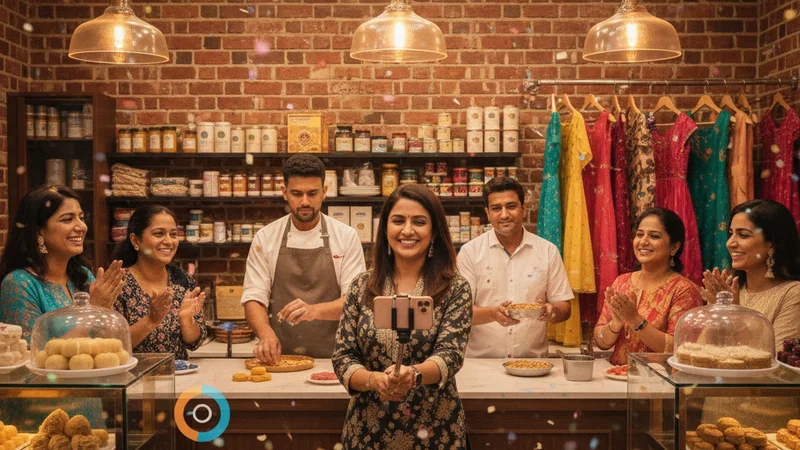
Influencer marketing is no longer a privilege only for large brands with enormous budgets. In India, it has become one of the most potent and affordable tactics for micro and small businesses wanting to enhance their visibility, reach new audiences, and establish credibility online. Right from local cafes and salons to boutique shops and makers of handmade products, influencer partnerships are assisting thousands of businesses in boosting foot traffic, driving sales, and enhancing online credibility.
But the catch here is that not all influencers are suitable for your company. Working with an influencer simply because of the number of followers they have does not necessarily lead to success. The secret to successful influencer marketing is selecting the correct influencer — one whose audience, values, and content design are in congruence with your brand.
In this in-depth guide, we'll walk you through exactly how to find the ideal influencer for your small business. Whether you're a beginner when it comes to influencer marketing or simply want to perfect your approach, these tips will assist you in making wise, effective decisions — and tools like LocalShouts (https://www.localshouts.com) can make things even simpler.
Why Influencer Marketing Works So Well for Small Businesses
Before diving into how to choose the right influencer, it’s important to understand why influencer marketing is so effective — especially for local and small businesses.
In contrast to historical advertising, influencer marketing tastes and feels real and authentic. Consumers believe recommendations from people they follow on social media much more than they believe paid advertisements. When an influencer gives a true endorsement of something, his/her followers perceive it as a recommendation from a friend — and that trust tends to translate into purchases.
For small businesses, the benefits are gigantic:
- You address a highly targeted group of people in your city or niche.
- You build credibility quickly without expensive advertising.
- You generate organic word-of-mouth that can drive long-term growth.
But these results depend heavily on choosing the right influencer. A mismatch between your brand and the influencer can waste time, money, and marketing potential.
Understanding Different Types of Influencers
Not all influencers are the same. Depending on your budget, goals, and target audience, you’ll want to choose the right type. Here’s a breakdown:
- Nano Influencers (1K–10K followers):
Best for local businesses. They have smaller but very active audiences and are less expensive. Ideal for neighborhood cafés, spas, and specialty products.
- Micro Influencers (10K–50K followers):
Ideal for expanding local brands. They have a bigger reach but still enjoy high audience trust and engagement.
- Macro Influencers (50K–500K followers):
Ideal for established brands that want wider brand awareness. They cost more but can rapidly increase awareness.
- Mega Influencers (500K+ followers):
These are celebrities or public figures. Their reach is massive, but they are often not cost-effective for small businesses and may lack audience intimacy.
For most small and micro businesses in India, nano and micro influencers offer the best results. They’re affordable, relatable, and their followers are usually from specific local communities — which is ideal if you’re targeting a local customer base.
Step 1: Define Your Business Goals Clearly
The first thing to do to locate the proper influencer is to determine what you wish to accomplish. Influencer marketing can be used for a variety of objectives, but your decision will depend on your main intention.
Inquire of yourself:
- Do I need to boost brand awareness in my town?
- Are you attempting to generate more sales for a product or service?
- Do you desire to create an online community of loyal customers?
- Am I opening a new store or introducing a new product?
For instance, if you want to promote foot traffic to a new bakery, a 10K–20K followers local food influencer is the perfect match. However, if you are introducing a new fashion brand and need
brand awareness, you can collaborate with a lifestyle influencer who posts content around style, outfit ideas, and trends.
Step 2: Understand Your Target Audience
The correct influencer is one whose audience is your target customers. If not, even the most innovative campaigns will fall flat.
Here's what to pay attention to:
- Demographics: Age, gender, location, income level.
- Interests: What do they discuss (food, fashion, fitness, etc.)?
- Location: Are they from your target city or area?
- Behavior: Are they active consumers, deal seekers, or trend setters?
For instance, a Delhi-based boutique catering to young women between 18-30 years old should partner with those influencers who create content related to fashion, style, or beauty — not gaming or tech.
You can use platforms such as LocalShouts (https://www.localshouts.com) to sift influencers according to location, topic, and audience data, and save hours of research.
Step 3: Assess Influencer Relevance and Content Format
Relevance takes precedence over all else when selecting an influencer. They may have 100,000 followers, but they're not your best bet if their content isn't relevant to your brand or industry.
Look for the following:
- Content type: Do they share videos, reviews, tutorials, or stories that align with how you wish to market your product?
- Tone and style: Is their messaging formal, casual, funny, or educational — and does it align with your brand voice?
- Brand fit: Would their followers be truly interested in your product?
For instance, if you are a maker of handmade jewelry, an influencer with a reputation for featuring local craftspeople or dressing in ethnic clothing is far more suitable than a fitness influencer.
Step 4: Analyze Engagement Over Follower Count
Most small businesses have the error of pursuing large figures. But the number of followers is not even close to as significant as engagement rate — the rate of followers that like, comment, share, or reply to posts.
A 5,000 strongly engaged follower influencer can perform better than a 50,000 passive follower influencer.
To verify engagement:
- Observe the likes, comments, and shares on their latest posts.
- Check if they respond to comments and engage with their followers.
- Check if the comments of their followers look genuine and interested, rather than spammy or irrelevant.
An ideal engagement rate for micro-influencers is normally between 4% and 8%. Anything lower by a larger margin could indicate a disengaged or artificial audience.
Step 5: Check Past Collaborations
An effective means to analyze an influencer's performance is through checking their past brand collaborations. For this, look for:
- The quality of sponsored content (is it natural or contrived?).
- The kind of brands they've collaborated with (are they comparable to yours?).
- The outcome they obtained (higher engagement, site visits, or noticeable enthusiasm in the comments).
If feasible, contact companies they've worked with in the past and solicit direct feedback.
Step 6: Begin Small with a Test Collaboration
Once you have narrowed down a few potential influencers, test them with a small pilot campaign. This might be a one-off Instagram post, a series of stories, or a product review. Track the response — e.g., website visits, questions, or sales — before doing a bigger, long-term deal.
Testing this way allows you to measure:
- Audience reaction
- Influencer professionalism
- Quality of content
- Possible ROI
If the test campaign works, you can scale up to a bigger collaboration.
Common Traps to Steer Clear Of When Picking an Influencer
Despite the best strategy, small companies tend to fall prey to a few common pitfalls:
- Monitoring just follower numbers – This may result in disappointing outcomes if the influencer's audience is dormant or unfocused.
- Not considering audience demographics – Make sure that their followers belong to your target market.
- Selecting influencers who are not in your niche – Content will need to be appropriate for your field.
- Failing to set objectives or KPIs – You can't measure success without objectives.
- Missing contracts or agreements – Always define expectations, deliverables, and payment.
Don't make these errors, and you will build partnerships that actually generate sales and growth.
How Platforms Like LocalShouts Make Influencer Discovery Easier
Identifying the right influencer takes time, particularly if you're a newcomer to digital marketing. That's where platforms such as LocalShouts (https://www.localshouts.com) are helpful.
LocalShouts is designed specifically for small and micro businesses in India. It helps you:
- Discover local influencers based on niche, location, and audience.
- Filter by engagement rate and content quality.
- Manage campaigns and measure results in one place.
By streamlining the influencer discovery and collaboration process, LocalShouts allows small business owners to focus on what matters most — growing their brand.
Conclusion
Influencer marketing has the potential to revolutionize the way small and micro enterprises in India get customers, establish trust, and increase their brand. Yet the true strength of influencer marketing isn't about flashy statistics or viral videos — it's about identifying the right influencer who knows your audience, believes in your values, and can naturally embody your brand.
The procedure demands research, planning, and cautious scrutiny, but the benefits — ranging from greater visibility to greater sales — are worthwhile. And thanks to sites like LocalShouts (https://www.localshouts.com), finding and collaborating with the right influencer has never been more convenient.
In an age of digital first, the correct influencer is not merely an endorser — they are a gateway between your company and the consumers waiting to uncover it.
FAQs
- What is the most critical aspect when selecting an influencer?: Relevance matters. The audience, content type, and niche of the influencer should suit your company and potential customers.
- How can low-budget small businesses collaborate with influencers?: Highlight nano or micro influencers who are less expensive or offer barter partnerships. They tend to provide greater engagement and improved ROI.
- How can I determine whether an influencer's audience is real?: Check engagement quality. Genuine followers comment relevantly and regularly, whereas spammers post generic or irrelevant comments.
- Should I select influencers by location?: Yes, particularly for neighborhood businesses. A local influencer's audience is likely to come into your store or use your services.
- How many influencers should I work with simultaneously?: Begin with one or two and gauge the outcome. If you know what works, you can increase your partnerships.
- Can LocalShouts assist me in discovering influencers in my particular niche?: Yes. LocalShouts (https://www.localshouts.com) enables you to find influencers by industry, location, niche, and size of their audience — it makes it so much easier.