Introduction
Credibility is one of the most important resources for Indian small and microbusinesses. Consumers are picky about where they spend their money, frequently consulting reviews and suggestions before deciding. In this regard, video testimonials have become a potent instrument for building credibility, demonstrating authenticity, and fostering trust.
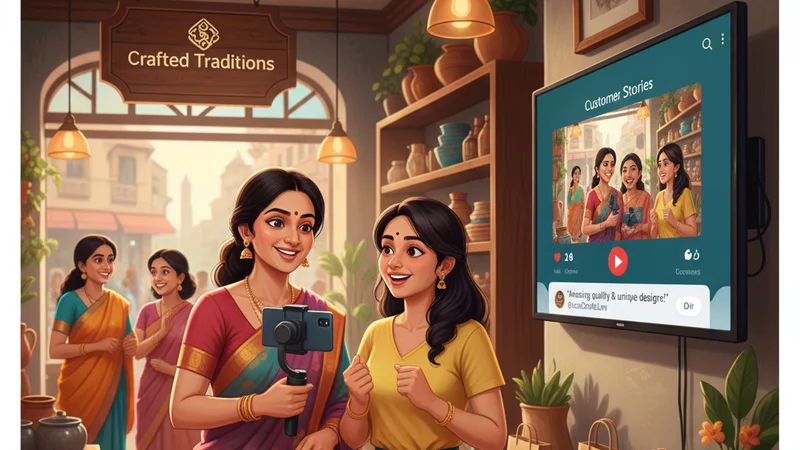
Video testimonials give stories life, in contrast to written reviews or static social media posts. They establish a human connection that text alone cannot by enabling actual customers to express their experiences in their own words. Businesses can use platforms like LocalShouts (https://www.localshouts.com) to spread these stories and make sure the right people see them while keeping a polished and consistent online presence.
This post will discuss the importance of video testimonials, their ability to increase brand credibility, useful tactics for small businesses, and how to use them across various digital touchpoints.
Understanding Brand Credibility
Brand credibility is the trust and confidence that customers have in your business. For small businesses, credibility can mean the difference between a one-time sale and a loyal customer base. A number of significant factors affect credibility.
- Transparency: Being open about your products, services, and processes.
- Consistency: Delivering quality experiences every time.
- Customer Feedback: Real stories from real people validate your claims.
- Professional Presentation: A polished online presence reinforces trust.
Video testimonials touch on all these factors by providing authentic social proof that is easily digestible, relatable, and engaging.
Why Video Testimonials Work Better Than Other Forms of Reviews
- Humanizes Your Brand
- Written reviews often lack personality and emotion. A video testimonial lets viewers see and hear a customer’s genuine emotions, creating an immediate human connection.
- Increases Engagement
- Videos capture attention more effectively than text. People are more likely to watch a 60-second video than read a lengthy review, making video testimonials a higher-impact marketing tool.
- Builds Trust Through Authenticity
- Seeing a real person speak about their experience makes your claims believable. Videos reduce skepticism and provide compelling evidence of your brand’s reliability.
- Supports Multiple Learning Styles
- Some customers prefer visual content over reading. Video testimonials cater to these preferences, ensuring your message reaches a broader audience.
- Boosts Online Visibility
- Video content is favored by search engines and social media platforms. Sharing video testimonials on Google My Business, social media, and your website can improve discoverability and strengthen your digital presence. Platforms like LocalShouts (https://www.localshouts.com) make it easy for businesses to distribute video content across channels.
Types of Video Testimonials
Small businesses can experiment with different styles depending on their audience and resources:
- Interview Style: Ask a customer a series of questions about their experience with your business. This format is conversational and natural.
- Storytelling: Customers share a full story of their journey with your brand, highlighting specific problems and how your product or service solved them.
- Demonstration: A customer shows how they use your product or service in real life, providing practical proof of effectiveness.
- Event-Based: Capture testimonials during workshops, product launches, or community events to show engagement and enthusiasm.
Steps to Create Effective Video Testimonials
1. Identify Your Ideal Customer Stories
Not every customer story will resonate with your target audience. Focus on:
- Loyal customers who have benefited from your offerings.
- Clients with relatable challenges or problems.
- People willing to speak authentically on camera.
2. Prepare a Simple Script or Guideline
While spontaneity is valuable, providing a loose guideline ensures the testimonial covers key points:
- The customer’s problem or need.
- How your product or service helped.
- The results they experienced.
- A recommendation or personal endorsement.
3. Keep It Short and Focused
Aim for 60–90 seconds. Concise testimonials are easier to watch and share, keeping attention high.
4. Use Good Lighting and Audio
Clear visuals and audio are critical. Natural light works well, and a quiet environment ensures the message is heard without distraction.
5. Include Branding Subtly
Add your logo, brand colors, or a small caption with your business name to maintain brand consistency without being intrusive.
6. Obtain Consent
Always get written or verbal consent to use the video on your website, social media, or marketing materials. This protects your business and respects customer privacy.
Leveraging Video Testimonials Across Digital Platforms
1. On Your Website
Place testimonials on product pages, landing pages, or a dedicated “Customer Stories” section. Videos can improve conversion rates by reassuring visitors that your offerings deliver results.
2. Google My Business
Adding video testimonials to Google My Business posts boosts local SEO and enhances credibility with potential customers searching online. LocalShouts (https://www.localshouts.com) helps small businesses optimize these posts for maximum visibility.
3. Social Media
Share snippets on Instagram, Facebook, or LinkedIn. Short, engaging clips can be reposted multiple times, extending their reach and impact.
4. Email Marketing
Incorporate a testimonial video into your email campaigns. A subject line like “Hear What Our Customers Are Saying” encourages clicks and builds trust with subscribers.
5. Digital Ads
Use testimonial clips in online ads to strengthen brand credibility. Social proof increases ad effectiveness and ROI, particularly for small businesses competing in crowded markets.
Tips for Small Businesses on a Budget
- Smartphone Recording
- Modern smartphones can produce high-quality videos. Focus on framing, lighting, and sound rather than expensive equipment.
- Leverage Existing Customers
- Reach out to satisfied customers who have already provided positive feedback. Offer small incentives like discounts or freebies in exchange for a testimonial.
- Batch Filming
- Film multiple testimonials in one session to save time and resources. This is especially useful for businesses with limited staff.
- Use Free Editing Tools
- Apps like Canva, iMovie, or InShot allow simple editing, branding overlays, and captions at no cost.
- Collaborate with Local Influencers
- Micro-influencers in your area can provide authentic testimonials that double as marketing content, enhancing reach.
Measuring the Impact of Video Testimonials
To determine the effectiveness of your testimonial campaigns, track metrics such as:
- Engagement: Views, likes, shares, and comments on social media.
- Website Conversions: Visitors who take action after watching a testimonial video.
- Lead Generation: Inquiries or sign-ups originating from video links.
- Customer Trust: Feedback or survey responses indicating increased confidence in your brand.
Consistent tracking allows small businesses to refine future testimonials and maximize their branding impact.
Common Mistakes to Avoid
- Overproducing
- Too much editing can make testimonials feel scripted and inauthentic. Keep it natural.
- Ignoring Storytelling
- A testimonial should tell a story, not just state facts. Emotional and relatable narratives resonate more effectively.
- Using Generic Testimonials
- Avoid anonymous or overly general statements. Specific customer experiences add credibility.
- Neglecting Mobile Optimization
- Most people view videos on mobile devices. Ensure videos are vertical-friendly and captions are readable.
- Not Sharing Widely
- A testimonial is only valuable if it reaches your audience. Share across website, social media, and email channels for maximum impact.
Conclusion
One of the best ways for small and micro businesses in India to establish brand credibility is through video testimonials. In ways that text alone cannot, they engage potential customers, humanize your brand, and offer genuine social proof.
Businesses may transform customer experiences into a potent marketing tool by picking stories carefully, writing succinct scripts, preserving brand consistency, and disseminating videos on various digital channels, such as Google My Business, social media, and email campaigns. This process is made simpler by platforms such as LocalShouts (https://www.localshouts.com), which assist companies in effectively managing, sharing, and optimizing video content.
Using video testimonials is more than just a marketing strategy for small businesses trying to expand in cutthroat markets; it's an investment in long-term credibility, trust, and client loyalty.
FAQs
1. Why are video testimonials more effective than text reviews?
Videos humanize the experience, increase engagement, and provide authentic social proof that is more persuasive than written reviews.
2. Can small businesses create professional video testimonials on a budget?
Yes. Smartphones, natural lighting, free editing apps, and existing customers make it feasible for even micro businesses to produce high-quality testimonials.
3. How long should a video testimonial be?
Ideally, 60–90 seconds. Short, focused videos retain viewer attention and deliver the message effectively.
4. Where should I share video testimonials?
On your website, Google My Business, social media platforms, email campaigns, and digital ads. LocalShouts (https://www.localshouts.com) helps distribute these videos efficiently.
5. Should testimonials be scripted?
Light guidelines are useful, but authenticity is key. Customers should speak naturally about their experiences.
6. How can I measure the impact of video testimonials?
Track engagement metrics, website conversions, lead generation, and customer feedback to assess the effectiveness of your videos.