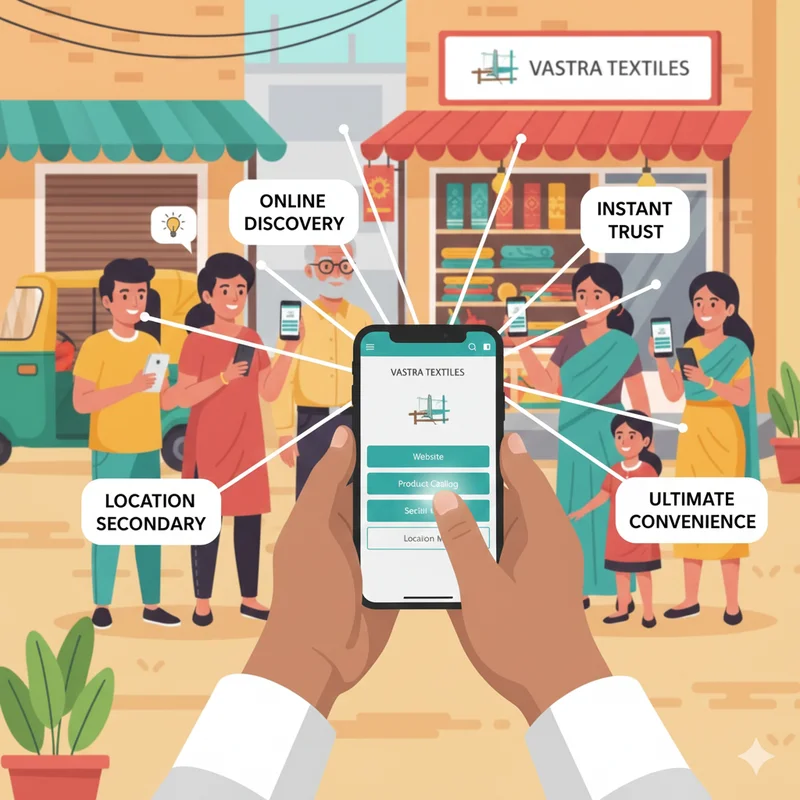
Social media is no longer just for selfies and family updates—it’s where businesses of all sizes are building their brands, finding new customers, and increasing sales. For small and micro-business owners in India, platforms like Instagram, Facebook, and WhatsApp have become affordable marketing tools that can rival traditional advertising.
But there’s a catch. Using social media the wrong way can waste time, confuse customers, or even hurt your reputation. That’s why knowing the right do’s and don’ts is essential before you post your next story or reel.
In this article, we’ll explore the key do’s and don’ts of promoting your business on social media, with practical examples that Indian local shops and service providers can apply right away.
Why Social Media Matters for Local Businesses
Before we dive into the list, let’s quickly look at why social media is worth your time:
- Cost-Effective Marketing: Most platforms are free to use, with paid ads available for as little as ₹100 a day.
- Direct Customer Interaction: You can respond to questions instantly and build relationships.
- Visual Showcase: Perfect for showing off products, services, and happy customers.
- Word-of-Mouth Amplifier: A single share can introduce your business to dozens of new people.
Platforms like LocalShouts (https://www.localshouts.com) make it even easier by improving your local discoverability, helping you reach nearby buyers faster.
The Dos of Promoting Your Business on Social Media
Let’s start with what you should be doing.
Do: Post Consistently
Consistency is key. Posting once a month isn’t enough—aim for at least 3–4 times a week.
- Use a simple calendar to plan posts in advance.
- Post at times your audience is active (morning, lunch break, or evenings).
Do: Show Your Human Side
People connect with people, not faceless brands.
- Share behind-the-scenes content (packing orders, setting up shop).
- Introduce your staff or family members who help run the business.
- Celebrate milestones like your 100th order or 1-year anniversary.
Do: Engage With Followers
Social media isn’t just for broadcasting.
- Reply to comments and DMs quickly.
- Thank customers publicly when they share reviews.
- Ask questions, run polls, and get feedback to involve your audience.
Do: Use High-Quality Images and Videos
Clear visuals make a big difference.
- Take photos in good natural light.
- Show products from multiple angles.
- Add simple captions and prices to avoid confusion.
Do: Tell People How to Buy
Always include a clear call to action.
- “DM us to order now.”
- “Tap the link in bio to buy.”
- “Limited stock—order today.”
Do: Share Customer Testimonials
Nothing builds trust like social proof.
- Post screenshots of positive WhatsApp messages.
- Ask happy customers for short video reviews.
- Highlight repeat customers to show loyalty.
Do: Use Local Discoverability Platforms
Along with social media, list your business on platforms like LocalShouts (https://www.localshouts.com) so that potential buyers in your area can find you easily.
The Don’ts of Promoting Your Business on Social Media
Now let’s look at what you should avoid doing.
Don’t: Spam Your Followers
Posting 10 stories in one hour or sending multiple DM promotions can annoy your audience.
- Space out your content.
- Keep it valuable—not just repetitive sales pitches.
Don’t: Ignore Negative Comments
Deleting or ignoring complaints can damage your reputation.
- Reply politely, solve the issue, and show that you care.
- Use criticism as feedback to improve.
Don’t: Post Blurry or Poorly Lit Photos
Bad visuals make your business look unprofessional.
- Take a moment to clean products, tidy the background, and take a clear shot.
Don’t: Use Misleading Offers
Never exaggerate or lie to get attention.
- Be honest about prices, delivery time, and product quality.
- Misleading claims may bring one-time sales but hurt your long-term reputation.
Don’t: Ignore Your Analytics
Most platforms show you data about reach, clicks, and engagement.
- If a type of post works well, do more of it.
- If something consistently performs poorly, try a new format.
Don’t: Forget About Customer Privacy
If you share photos of orders or reviews, hide personal details unless you have permission.
Putting the Do’s and Don’ts Together
The secret to successful social media promotion is finding the right balance:
- Do create value, build trust, and engage.
- Don’t overwhelm, mislead, or ignore feedback.
When you combine good practices with consistency, you create a strong online presence that naturally attracts and converts followers into paying customers.
Conclusion
Promoting your business on social media doesn’t have to be complicated. By following the do’s—like posting regularly, engaging with followers, and sharing social proof—and avoiding the don’ts—like spamming, ignoring feedback, or using poor visuals—you can build a loyal community that supports your business growth.
Using tools like LocalShouts (https://www.localshouts.com) can give your efforts an extra boost by increasing local visibility and making it easier for nearby customers to discover you.
Remember: social media is a marathon, not a sprint. Keep improving your content, listen to your audience, and stay authentic—and over time, you’ll see your followers turn into loyal buyers.
FAQs
1. How many times should I post on social media for my business?
Posting 3–4 times a week is a good start for most small businesses. Focus on quality over quantity.
2. What type of content works best for local businesses?
Behind-the-scenes posts, customer testimonials, product demos, and special offers usually get the most engagement.
3. How do I handle negative comments publicly?
Respond politely, apologize if necessary, and offer a solution. Other followers will notice your professionalism.
4. Do I need to hire a professional photographer?
Not necessarily—a smartphone with good lighting can work. Just ensure photos are clear and well-framed.
5. Should I run ads to promote my business?
Yes, but only after you have a few good organic posts that show your products and value clearly.
6. Can I promote on multiple platforms at once?
Yes, but pick 1–2 main platforms where your audience spends the most time to avoid getting overwhelmed.