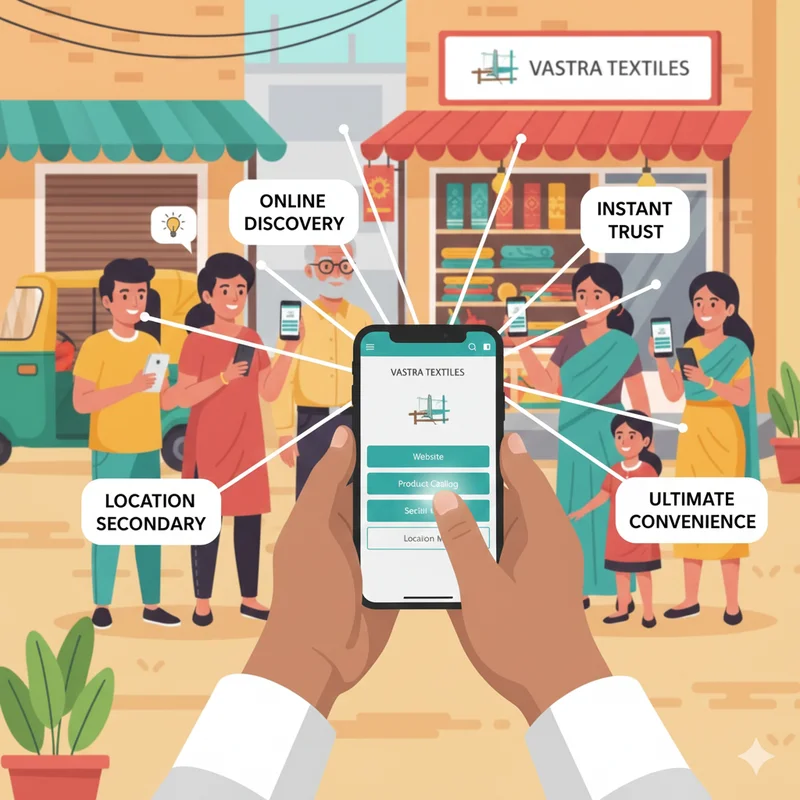
E-commerce giants dominate online shopping in India, but small shops still have unique advantages. With personalized service, local knowledge, and smart digital strategies, even micro-businesses can attract and retain customers in a competitive market.
This guide explores practical ways small shops can compete with big online retailers, build customer loyalty, and leverage local and digital marketing tools, including platforms like LocalShouts (https://www.localshouts.com).
Why Small Shops Still Have an Edge
1. Personalized Customer Service
Unlike large online platforms, small shops can offer one-on-one attention. Customers value:
- Product recommendations tailored to their needs
- Immediate problem resolution
- Friendly interactions that build trust
2. Immediate Access to Products
- Customers can see, touch, and try products in-store before buying.
- Instant availability avoids long delivery times often associated with e-commerce giants.
3. Community Connection
- Local shops are part of the community and often understand local preferences better.
- Community engagement fosters loyalty, referrals, and repeat business.
4. Flexibility
- Small shops can quickly adapt offers, stock, and promotions based on customer feedback.
Digital Strategies for Competing with E-Commerce Giants
Even local shops need an online presence to compete. Here’s how:
1. Create a Simple, Functional Website
- Showcase products, pricing, store hours, and contact information.
- Include an easy-to-use catalog or booking system for orders.
- Optimize for mobile users—most local customers browse on phones.
2. List Your Business on Local Platforms
- Platforms like LocalShouts (https://www.localshouts.com) help local customers discover your shop online.
- Update your listing regularly with new products, photos, and promotions.
3. Leverage Social Media
- Post product images, customer stories, and offers on Instagram, Facebook, and WhatsApp.
- Engage with followers through comments, polls, or messages.
- Highlight unique products and your in-store experience that e-commerce giants can’t replicate.
4. Use Online Reviews and Testimonials
- Encourage satisfied customers to leave reviews on Google, LocalShouts, and social media.
- Display these reviews on your website and in-store materials to build trust.
Marketing Tactics Small Shops Can Use
1. Offer Personalized Promotions
- Provide discounts or packages tailored to local events, festivals, or customer preferences.
- Example: Birthday discounts or loyalty cards for repeat customers.
2. Focus on Niche Products
- Stock unique, locally made, or hard-to-find products that e-commerce platforms may not carry.
- Highlight these items in marketing campaigns, on social media, and in flyers.
3. Community Engagement and Events
- Host workshops, product demos, or small events in-store.
- Collaborate with local organizations or schools for events that increase foot traffic.
4. Loyalty Programs
- Reward repeat customers with points, discounts, or freebies.
- Encourage word-of-mouth referrals, which are highly effective for small shops.
Combining Offline and Online Marketing
1. Flyers and Posters
- Include your website, QR codes, and social media handles to bridge offline and online marketing.
- Example: A boutique can place flyers in nearby cafes, linking to its LocalShouts (https://www.localshouts.com) listing or website.
2. WhatsApp Marketing
- Send personalized updates, promotions, or product announcements to local customers.
- Encourage customers to share the messages with friends for organic growth.
3. Storytelling
- Share the story behind your products, your shop, or customer experiences.
- Storytelling builds emotional connections and differentiates you from faceless e-commerce platforms.
Pricing and Value Strategies
1. Transparent Pricing
- Clearly display prices online and offline.
- Offer price-match guarantees where feasible to reassure customers.
2. Bundling and Offers
- Bundle complementary products for convenience and perceived value.
- Offer seasonal or festival promotions tailored to local customers.
3. Added Value
- Free delivery within a local area, gift wrapping, or personalized service can make your shop more appealing than e-commerce alternatives.
Leveraging Local SEO
- Optimize your website and online listings for local searches:
- Include your city or neighborhood in product descriptions and titles.
- Update store hours, photos, and contact information regularly.
- Platforms like LocalShouts (https://www.localshouts.com) help local shoppers find your business quickly and check availability, reviews, or offers.
Real-Life Example
A small stationery shop in Jaipur used a combination of offline and online strategies:
- Created a LocalShouts (https://www.localshouts.com) listing with product photos and reviews.
- Posted daily stories on Instagram showcasing unique school supplies.
- Distributed flyers in nearby schools with QR codes linking to the website and LocalShouts page.
- Offered personalized bundles for students based on grade levels.
Result: Customer footfall increased by 30%, website visits rose by 50%, and repeat sales grew steadily over six months.
Common Mistakes to Avoid
- Ignoring Digital Presence – Customers expect some online information, even for small shops.
- Trying to Compete on Price Alone—Focus on value, experience, and personalization instead.
- Neglecting Customer Engagement—Responding to reviews, messages, and feedback is crucial.
- Overlooking Local SEO – Many small shops fail to appear in local searches online.
- Inconsistent Branding—Keep visuals, messaging, and tone consistent across offline and online channels.
Conclusion
Small shops may not match e-commerce giants in scale or logistics, but they can compete effectively by leveraging local knowledge, personalized service, and smart digital strategies.
By combining:
- Offline marketing like flyers, posters, and events
- Online presence via websites, LocalShouts (https://www.localshouts.com), and social media
- Personalized promotions and storytelling
…small shops can attract local customers, increase engagement, and build a loyal customer base.
The key is to offer value that big platforms can’t replicate—personal attention, local insights, and a genuine connection. Even a micro-business can thrive when it understands its customers and markets strategically.
FAQs
1. Can small shops really compete with e-commerce giants?
Yes, by focusing on local customers, personalized service, and a strong digital presence.
2. How can LocalShouts help small shops?
LocalShouts (https://www.localshouts.com) helps businesses get discovered by local customers, showcase products, and receive inquiries online.
3. Should small shops lower prices to compete?
Not necessarily. Focus on value, unique products, and customer experience rather than price alone.
4. How important is social media for small shops?
Very important. It increases visibility, engages customers, and drives traffic both online and in-store.
5. Can offline marketing still work in the digital age?
Yes. Flyers, posters, and community events, when combined with digital tools, are highly effective.
6. How do I measure success against big e-commerce competitors?
Track website visits, online inquiries, foot traffic, repeat customers, and engagement on LocalShouts (https://www.localshouts.com) and social media.