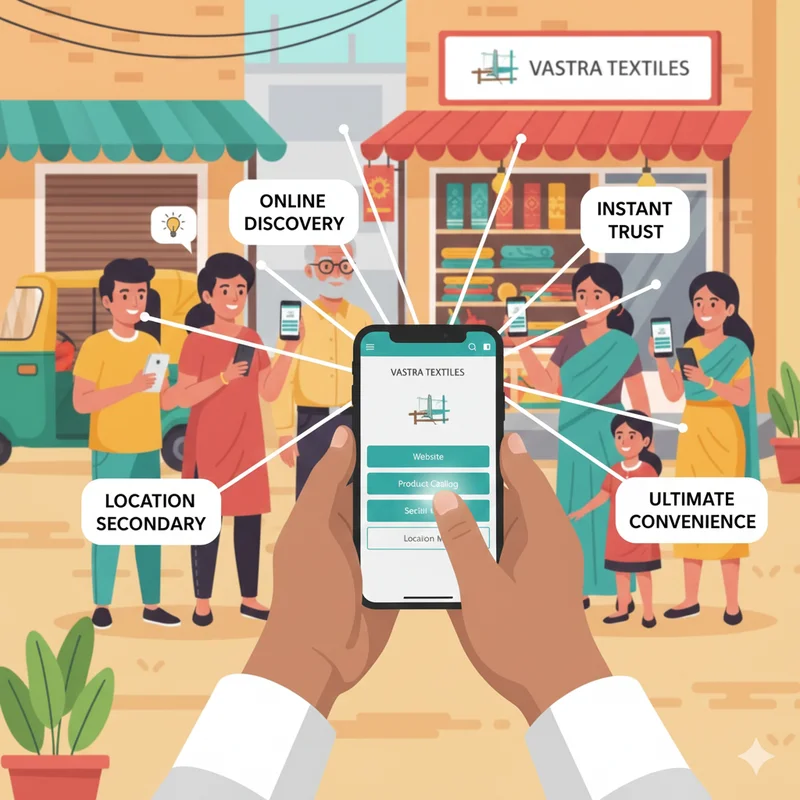
For small businesses and shop owners in India, the rise of online shopping has been both an opportunity and a challenge. While offline sales are still strong in many areas, customers now expect the convenience of browsing and buying online. The businesses that thrive are those that successfully balance offline and online sales, offering customers the best of both worlds.
In this article, we’ll explore how you can combine your physical shop with an online presence to grow your business, improve customer satisfaction, and stay competitive—even if you’re a small or micro business.
Why Balancing Offline and Online Sales Is Important
Earlier, most businesses relied entirely on foot traffic. Today, that is no longer enough. Customers might discover your shop on Google, check your reviews, and only then visit. Others may want to place an order directly on WhatsApp or through your website.
Balancing both channels allows you to:
- Reach a wider audience (local + online)
- Serve customers who prefer to shop from home
- Build trust by being visible online
- Reduce dependence on only footfall or only online orders
When offline and online sales work together, your business becomes more resilient to seasonal slowdowns and competition.
Step 1: Build a Solid Offline Foundation
Before going online, make sure your offline shop operations are smooth. This includes:
- Keeping inventory organized and up-to-date
- Training staff to handle both in-person and online queries
- Having clear pricing and return policies
- Creating a pleasant in-store experience
A strong offline foundation ensures customers who first interact with you online have a good experience when they visit your shop.
Step 2: Create a Simple Online Presence
You don’t need to build a complex e-commerce platform right away. Start with simple, affordable steps:
- Google My Business: Claim and update your listing so customers can find your shop hours, location, and reviews.
- Social Media Pages: Create Instagram, Facebook, or WhatsApp Business accounts for updates and direct communication.
- Business Listings: Use discovery platforms like LocalShouts (https://www.localshouts.com) to get listed and share offers with nearby customers.
Even a basic online presence can increase your offline footfall because customers trust shops that are easy to find online.
Step 3: Sync Inventory Between Offline and Online
A common mistake businesses make is showing products online that are not available in-store, which frustrates customers.
To avoid this:
- Keep a shared inventory record (even a simple Excel sheet works)
- Update product availability daily on your social media or website
- If an item is out of stock, communicate clearly and offer alternatives
Consistency between your offline and online channels builds trust and keeps customers coming back.
Step 4: Offer Click-and-Collect or Local Delivery
One of the easiest ways to balance both worlds is to let customers order online but pick up at your store. This saves them time and brings them physically to your shop, where they might make additional purchases.
You can also offer local delivery through:
- Delivery staff (if feasible)
- Tie-ups with local couriers
- Apps that provide last-mile delivery solutions
This hybrid approach ensures convenience for customers while keeping your shop relevant.
Step 5: Promote Your Offline Shop Online
Don’t just use online platforms to sell products—use them to highlight your physical shop experience. Examples:
- Post photos of your shop, team, and daily specials
- Share videos of new arrivals or behind-the-scenes moments
- Run offers that are redeemable only in-store
- List events or seasonal sales on LocalShouts (https://www.localshouts.com) to attract nearby customers
This encourages customers to visit your shop and experience your products in person.
Step 6: Collect Customer Data for Both Channels
Whether customers shop offline or online, collect their:
- Name and contact number
- Preferred products or services
- Purchase history (if possible)
You can then send them updates, loyalty rewards, and personalized recommendations—creating a unified experience regardless of how they buy from you.
Step 7: Train Your Team for Omnichannel Service
Your staff should be comfortable with handling both offline and online sales. Train them to:
- Respond politely to WhatsApp and social media queries
- Pack and prepare online orders quickly
- Manage inventory updates across both channels
- Handle returns or complaints from both offline and online customers
This ensures smooth operations and prevents miscommunication.
Step 8: Price Strategically
Some shop owners worry that online sales will force them to offer deep discounts. Instead, focus on value-based pricing:
- Keep prices consistent across both channels to avoid confusion
- Offer exclusive in-store discounts for bulk buyers
- Provide online-only limited-time deals to encourage digital engagement
Balanced pricing helps you stay competitive while maintaining profits.
Step 9: Use Technology to Save Time
Managing two channels doesn’t have to double your workload. Use tools that integrate operations:
- Billing and POS software: Tracks sales and inventory automatically
- WhatsApp Business: Automates replies and saves frequent messages
- LocalShouts (https://www.localshouts.com): Lets you share offers and events to a targeted local audience, saving time on manual promotion
This reduces effort and allows you to focus on customer service.
Step 10: Measure and Adjust Regularly
Balancing offline and online sales is not a one-time setup—it’s an ongoing process. Every month, check:
- Which channel brought more sales?
- Which promotions worked best?
- What feedback customers gave about their experience
Use this data to adjust strategies, add or remove products, and plan marketing campaigns for better results.
Common Mistakes to Avoid
- Ignoring your offline shop after going online
- Offering inconsistent prices on different platforms
- Not replying to online messages quickly
- Showing outdated or unavailable stock online
- Neglecting to track performance for each channel
Avoiding these mistakes will help maintain a good balance between your sales channels.
Benefits of Balancing Offline and Online Sales
When you integrate both channels well, you:
- Reach more customers without opening new physical branches
- Build a strong reputation through reviews and local presence
- Reduce business risk by not relying on a single channel
- Give customers flexibility, which improves loyalty
This is the true advantage of running a hybrid business model.
Conclusion
Balancing offline and online sales is no longer optional—it’s essential for small and micro businesses that want to thrive. By creating a simple digital presence, syncing inventory, training your staff, and using platforms like LocalShouts (https://www.localshouts.com), you can make both channels work together instead of competing with each other.
This approach doesn’t just boost sales—it future-proofs your business, keeps customers happy, and helps you grow steadily in a changing market.
FAQs
1. Do I need a full e-commerce website to balance online and offline sales?
Not necessarily. You can start with a Google My Business listing, social media pages, and a profile on LocalShouts (https://www.localshouts.com). Upgrade to a full website once demand grows.
2. How do I avoid conflicts between online and offline pricing?
Keep prices consistent across channels. If you offer discounts online, make sure they are time-bound and clearly communicated to avoid confusion.
3. What if I don’t have staff to manage online orders?
Start small—handle online orders during non-peak hours and gradually automate responses using WhatsApp Business or POS software.
4. Can balancing offline and online sales really increase profits?
Yes. Many customers first search online but prefer buying locally. By being present online, you capture those leads and drive them to your shop.
5. How do I bring online customers to my physical shop?
Offer click-and-collect options, exclusive in-store discounts, and share shop events on LocalShouts or social media to encourage visits.
6. What is the biggest mistake shop owners make when going online?
The most common mistake is neglecting the offline experience. Remember, your shop is still your strongest asset—online sales should support, not replace it.