Starting a business is an exciting journey, but for many aspiring entrepreneurs, the biggest worry is money. The good news is you don’t need lakhs of rupees to launch a business anymore. Thanks to technology, digital tools, and affordable marketing options, even a micro or small business in India can start lean and grow steadily.
This article will guide you step-by-step on how to start a business with a small budget, focusing on practical strategies, low-cost tools, and smart ways to reach customers. Whether you are a shop owner, freelancer, or service provider, these tips will help you get started without breaking the bank.
Understanding the Basics of a Low-Budget Business
A small-budget business simply means you start with minimal investment—just enough to cover essentials like product sourcing, basic branding, and marketing. This approach is perfect for microbusinesses such as home bakers, tiffin services, tuition classes, local repair shops, boutique clothing sellers, and freelancers.
The goal is to reduce unnecessary expenses at the beginning, test your idea, and use early profits to reinvest in growth. Instead of renting a large shop or spending heavily on ads, you rely on smart, affordable ways to get visibility.
Choose a Low-Cost Business Idea
The first step is selecting the right business model. If your budget is tight, look for businesses that:
- Require little or no physical space (home-based or online-friendly)
- Can be started with small inventory or made-to-order products
- Have a clear, consistent demand in your local area.
Some examples of budget-friendly businesses in India include:
- Home bakery or snack service
- Tiffin and catering services
- Tuition or coaching classes
- Freelance services like graphic design, writing, or video editing
- Handmade crafts and jewelry
- Mobile repair or appliance servicing
- Small clothing or accessory boutique (online-first)
Choosing the right idea ensures you don’t overspend upfront and can focus on building customers slowly.
Start Small and Validate Your Idea
Don’t invest all your savings on day one. Instead, start with a pilot version of your business:
- If you are selling food, offer it to neighbors and friends first and ask for feedback.
- If you are offering a service, give a discounted or free trial to early customers.
- If you are selling products, start with limited stock instead of buying bulk inventory.
This approach helps you understand what customers like and whether your pricing works before spending more money.
Register Your Business Wisely
Even with a small budget, make sure your business is legal and compliant. For most micro and small businesses in India, you can start as a sole proprietorship or partnership firm—both are affordable to register.
Key low-cost registrations include:
- GST Registration (if your turnover exceeds the threshold)
- Udyam Registration (to be recognized as an MSME, which gives benefits)
- Shop & Establishment License (if running a physical shop)
You don’t need to form a private limited company right away—save that for when your business scales.
Leverage Free and Low-Cost Digital Tools
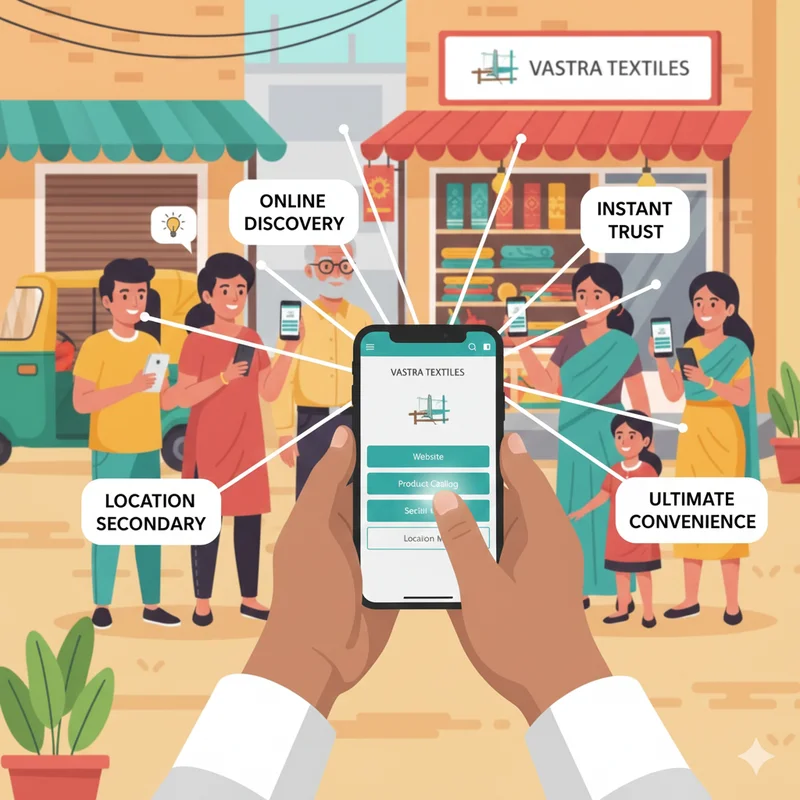
This is where modern entrepreneurs have a huge advantage. You no longer need expensive software to start a business. Many free tools can help you manage and grow your operations:
- Free Website Builders: Platforms like WordPress or Wix can help you create a basic website without coding.
- Google My Business: Listing your business on Google for free helps local customers find you easily.
- Social Media: Create free profiles on Instagram, Facebook, and WhatsApp Business to connect with customers.
- LocalShouts (https://www.localshouts.com): A great platform to list your business and get discovered by local audiences, helping you compete with bigger brands.
These tools give you visibility without spending thousands on marketing agencies.
Create a Simple, Low-Cost Brand Identity
Branding is not just for big companies. Even a small business needs a professional look. The good news is you can do this on a budget:
- Use free design tools like Canva to create a simple logo, menu, or price list.
- Choose 1-2 colors and stick to them across your packaging, social media, and website.
- Keep your business name short, easy to remember, and relevant to your niche.
This creates trust and makes your business look serious, even if it’s small.
Focus on Word-of-Mouth Marketing
Word-of-mouth is the cheapest and most powerful marketing tool. Encourage satisfied customers to share your business with their friends and family. Some ways to boost referrals include:
- Offering a small discount for customers who refer someone
- Sharing before-and-after photos of your service on social media
- Asking happy customers for testimonials and posting them online
Platforms like LocalShouts (https://www.localshouts.com) make it easier for customers to find you through local recommendations and reviews, increasing your credibility.
Use Content Marketing to Build Authority
You don’t need a big ad budget to attract customers. Instead, you can create content that solves their problems and positions you as an expert. For example:
- Write blog posts or social media tips related to your business
- Post short videos showing your process (baking, repairing, creating)
- Answer common questions customers have about your product or service
The more helpful content you share, the more people trust your business.
Keep Operating Costs Low
Managing your expenses wisely is the key to surviving with a small budget. Here are some tips:
- Work from home or share space with another business to save on rent.
- Buy materials in small quantities until you have steady demand.
- Use digital payments and online invoicing to reduce paperwork.
- Learn basic marketing and design yourself before hiring professionals.
This allows you to reinvest profits into growth instead of burning cash on overhead costs.
Track Your Progress and Adjust
Starting small also means you must be flexible. Keep track of your sales, expenses, and customer feedback. If something isn’t working—like a product line or marketing strategy—change it quickly.
Many free tools like Google Sheets or simple mobile apps can help you track cash flow. Regularly reviewing your progress ensures your limited budget is being used wisely.
Why Platforms Like LocalShouts Matter
For small businesses, getting visibility is the hardest part. That’s why platforms like LocalShouts (https://www.localshouts.com) are so valuable. They help you:
- List your business and get discovered locally
- Share offers and updates with a relevant audience
- Build trust through reviews and ratings
- Compete with bigger brands without massive ad spending
This makes LocalShouts a perfect partner for businesses starting on a budget.
Conclusion
Starting a business with a small budget in India is not only possible but also practical in today’s digital world. By choosing the right business idea, using free online tools, and focusing on building trust, you can grow step by step without taking on heavy financial risk.
Remember, starting small is not a weakness—it’s a smart strategy that gives you time to learn, improve, and scale. Platforms like LocalShouts (https://www.localshouts.com) can play a crucial role in your journey, helping you connect with customers and build a strong local presence from day one.
FAQs
1. Can I really start a business with less than ₹10,000?
Yes! Many home-based businesses like food delivery, online tutoring, or freelance services can start under ₹10,000. You only need basic tools, internet access, and a way to market your business.
2. Do I need a website if my budget is small?
A website is highly recommended but not mandatory at the start. You can begin with a Google My Business listing and a social media profile. As you grow, invest in a simple website to look professional.
3. How can I compete with big companies on a small budget?
Focus on personal service, local connections, and customer trust. Use platforms like LocalShouts (https://www.localshouts.com) to gain visibility and attract customers who prefer local businesses.
4. What are the most common mistakes to avoid when starting small?
Overspending on inventory, renting a large space too early, and ignoring online presence are common mistakes. Always test your idea and grow gradually.
5. Is digital marketing expensive for small businesses?
Not at all. Organic marketing through social media, Google My Business, and free platforms is very cost-effective. You can also run low-budget ad campaigns targeting just your locality.
6. How soon can I expect profits from a low-budget business?
It depends on your business type and demand. Many service businesses can become profitable within 3–6 months if you keep costs low and actively market yourself.