In today’s digital-first world, social media is no longer just a place for sharing photos and chatting with friends—it’s a powerful growth engine for businesses of all sizes. For small and micro businesses in India, social media can mean the difference between being a neighborhood shop and becoming a local brand with loyal customers.
But with so many platforms available—Facebook, Instagram, WhatsApp, LinkedIn, YouTube, and even newer players like Threads—the big question is, which one is best for your business? The answer depends on your products, services, target audience, and goals.
In this article, we’ll break down the major social media platforms, explore their strengths and weaknesses, and help you choose the right one to grow your business. Platforms like LocalShouts (https://www.localshouts.com) are already helping small businesses list themselves online, but choosing the right social media presence is the next big step to attract customers.
Why Social Media Matters for Small Businesses
Before diving into specific platforms, let’s quickly recap why social media is a must-have for small and micro businesses in India:
- Wider Reach: Social media connects you with customers beyond your street or neighborhood.
- Low-Cost Marketing: You can build awareness and drive sales without spending a fortune.
- Direct Engagement: Customers can message you, comment on posts, and share feedback instantly.
- Trust Building: Consistent posting builds brand credibility and customer confidence.
- Support for Local Discovery: Many customers search for businesses directly on Facebook, Instagram, or WhatsApp before buying.
When combined with a business listing platform like LocalShouts (https://www.localshouts.com), social media becomes a complete ecosystem for customer discovery and growth.
Facebook—The All-Rounder for Local Businesses
Facebook remains one of the most powerful tools for small businesses in India. With over 300 million users in the country, it is perfect for businesses looking to target a local audience.
Strengths:
- Large and diverse user base—ideal for reaching families and working professionals.
- Facebook Pages allow you to share updates, events, photos, and offers.
- Facebook Marketplace is great for selling products directly.
- Affordable advertising with precise targeting (age, location, interests).
Best For:
Local retailers, home service providers, tuition classes, restaurants, clothing boutiques, and beauty salons.
Tips to Succeed on Facebook:
- Post regularly (3–4 times a week) with a mix of product photos, tips, and customer testimonials.
- Use Facebook Live for behind-the-scenes videos or product launches.
- Encourage satisfied customers to leave reviews.
Instagram—The Visual Storyteller
If your business relies on attractive visuals, Instagram is a must. From food to fashion, this platform thrives on aesthetics.
Strengths:
- Strong focus on photos, videos, and stories.
- Reels help businesses go viral and reach new audiences.
- Great for building brand personality and connecting with younger customers.
Best For:
Cafes, bakeries, fashion brands, fitness trainers, interior decorators, and photographers.
Tips to Succeed on Instagram:
- Use trending music in Reels to increase reach.
- Write engaging captions and use relevant hashtags (#MadeInIndia, #DelhiCafes, #HandmadeJewelry).
- Post Instagram Stories daily to stay visible.
Pairing Instagram visibility with a local business listing on LocalShouts (https://www.localshouts.com) makes it easier for customers to find and contact you.
WhatsApp Business—The Conversational Platform
WhatsApp has become the go-to app for Indian consumers to communicate with businesses. The WhatsApp Business app allows you to create a business profile, share catalogs, and send automated messages.
Strengths:
- Direct, personal communication with customers.
- Easy sharing of product images, prices, and availability.
- Broadcast lists for sending offers and updates.
- High open rate compared to email or SMS marketing.
Best For:
Home bakers, boutique sellers, grocery delivery, tuition classes, and service professionals like electricians or tailors.
Tips to Succeed on WhatsApp:
- Set up a complete profile with business hours, location, and catalog.
- Respond quickly to customer inquiries to build trust.
- Use quick replies for frequently asked questions.
LinkedIn—The Professional Network
LinkedIn is not just for job seekers. For B2B businesses and service providers, it’s a goldmine.
Strengths:
- Highly professional audience.
- Great for sharing expertise, articles, and case studies.
- Build credibility as a subject-matter expert.
Best For:
Consultants, IT service providers, freelancers, business coaches, training institutes, and corporate suppliers.
Tips to Succeed on LinkedIn:
- Post valuable industry insights rather than just promotions.
- Connect with potential clients and decision-makers in your target industry.
- Engage with other people’s posts to increase visibility.
YouTube—The Long-Form Content King
YouTube is the second-largest search engine after Google. If you can create helpful, informative, or entertaining videos, it’s a great platform to grow an audience.
Strengths:
- Long shelf life of content—videos keep getting views months or even years after posting.
- Opportunity to build deep trust with your audience.
- Great for tutorials, product demos, and success stories.
Best For:
Coaches, trainers, real estate agents, educational institutions, and product-based businesses.
Tips to Succeed on YouTube:
- Focus on value—teach, demonstrate, or solve problems.
- Use simple titles that match what people search for (e.g., “How to Bake a Perfect Chocolate Cake”).
- Be consistent—post weekly or biweekly.
How to Choose the Right Platform for Your Business
Here’s a quick framework to decide:
- Know Your Audience: Where do they spend time online?
- Define Your Goals: Are you looking for sales, brand awareness, or leads?
- Match Content Style: Do you have the ability to create videos, write posts, or design images?
- Start Small: Begin with one or two platforms and master them before expanding.
For example, a bakery might start with Instagram and WhatsApp, while a consulting firm might focus on LinkedIn and YouTube.
The Role of Local Business Platforms
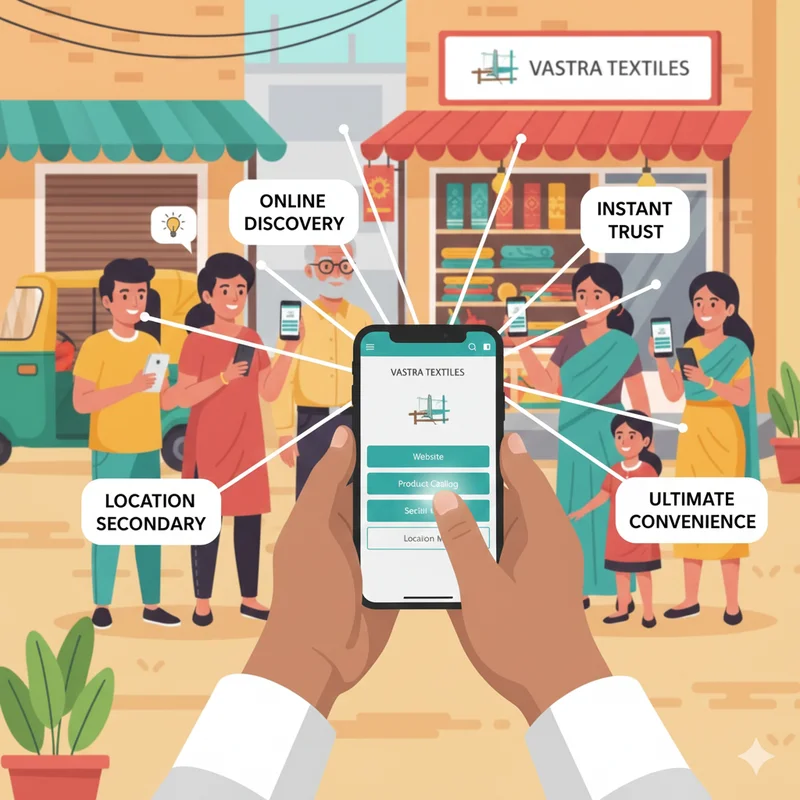
Even with social media, having your business listed on a discovery platform like LocalShouts (https://www.localshouts.com) ensures customers can find you easily. Social media drives engagement, but a well-maintained business profile with photos, address, and contact details helps convert that interest into actual visits and sales.
Conclusion
There is no single “best” social media platform for every business—the right one depends on your goals, audience, and content style. Facebook and Instagram are great all-rounders, WhatsApp is perfect for direct communication, LinkedIn is ideal for B2B, and YouTube is unbeatable for long-term content marketing.
The key is to stay consistent, engage with your audience, and combine your social media presence with a local listing platform like LocalShouts (https://www.localshouts.com) to maximize discoverability. With the right mix of platforms, even the smallest business can build a big digital footprint.
FAQs
1. Can I run my business using only WhatsApp?
Yes, many micro-businesses operate successfully using WhatsApp Business. However, combining it with at least one social media platform like Instagram or Facebook helps attract new customers.
2. How much should I post on social media?
Consistency matters more than frequency. Aim for 3–4 posts per week on Facebook or Instagram and regular status updates on WhatsApp.
3. Do I need to spend on ads?
Not necessarily. Organic reach can work if you post valuable and engaging content. Ads are useful for faster growth or promoting time-sensitive offers.
4. Is LinkedIn useful for small businesses?
Yes, especially if you provide professional services. LinkedIn helps you network with decision-makers and build authority in your industry.
5. What kind of content works best on Instagram?
High-quality photos, short videos, customer stories, and Reels with trending music perform best.
6. How can I track if my social media is working?
Use platform insights to measure engagement, clicks, and follower growth. Combine this data with customer feedback and sales trends for a full picture.