Introduction
In today's fast-paced digital world, small and micro businesses in India have a major dilemma - how to attract attention and build a sustainable brand presence without exorbitant costs. Traditional advertising methods such as newspaper advertisements, billboard advertisements, or television commercials are costly, ephemeral, and often result in little to no meaningful engagement.
When considering engagement, we turn to digital storytelling - a tactic that taps into the power of narrative, to both emotionally connect audiences, build trust, and motivate action. Unlike traditional advertising methods, digital storytelling does not simply sell a product or a service; it provides an experience that is relatable to the customer, memorable, and can easily be shared with others.
Digital storytelling becomes more feasible with platforms like LocalShouts (https://www.localshouts.com), which allows for small businesses to access the digital storytelling methods to target local markets, build brand awareness, and move towards loyal return customers. This article will outline the rationale for digital storytelling, in contrast to traditional advertising methods, and how small businesses can use digital storytelling for their marketing efforts in 2025.
What Is Digital Storytelling?
Digital storytelling is the art of using online platforms, multimedia content, and narrative techniques to convey your brand’s message. It can take many forms:
- Short videos showcasing your business journey or product use.
- Blog articles with educational tips, industry insights, or behind-the-scenes stories.
- Social media posts featuring customer experiences, testimonials, or interactive content.
- Visual stories through infographics, reels, or photo carousels.
The key difference between digital storytelling and traditional advertising is engagement and relatability. Instead of a one-way message, digital storytelling invites customers to connect, comment, share, and participate.
Why Digital Storytelling Beats Traditional Ads
1. Fostering an Emotional Connection
Standard advertising is often focused on features, price promotions, or sales. Digital storytelling goes beyond that and focuses on:
- Real customer experiences
- Your brand story or mission
- Visuals, music, and storytelling to evoke emotion
Emotional connections lead to brand loyalty and long-term brand relationships. For example, a small café in Noida sharing a story about sourcing local ingredients while helping out some local farmers builds a level of trust and authenticity that is not replicated with a billboard.
2. Engagement & Interactivity
Digital storytelling is meant to be two-way communication:
- Comments and reactions via social media
- Shares that spread your story virally
- User-generated content and testimonials
Engagement is much more impactful than impressions because engagement shows a genuine interest in your advertising, while a standard advertisement is often just ignored as passive viewing.
3. More Affordable than Traditional Ads
Producing a commercial or a billboard ad also requires a considerable investment. Digital storytelling:
- Uses low-cost tools including, smartphones, Canva or free editing apps
- Utilizes social media, email, and sites like LocalShouts to promote for little or no cost
- Content lives online for long periods (as opposed to a singular commercial)
This makes storytelling more accommodating for a small and micro business with a limited advertising budget.
4. Fosters Authenticity and Trust
Customers today, especially in India, prefer authenticity over well-crafted advertisements. Digital storytelling illustrates:
- Shows the human side of your business
- Illustrates true experiences with customers
- Demonstrates your values and community involvement
Authentic stories earn credibility that generates both repeat business and referrals in a way your traditional ads never could.
5. Supports Cross-Platform Marketing
Digital stories can be converted into multiple platforms:
- Short videos for Instagram Reels, YouTube Shorts, X
- Blog posts distributed on LinkedIn or LocalShouts (Local Shouts) email newsletters with stories or behind-the-scenes updates.
By cross-posting across various platforms, you reach the maximum audience while keeping your message consistent, which is difficult to do with traditional ads.
6. Measure and Adjust
Digital storytelling allows the business to track engagement and results in real-time:
- See the number of likes and shares, comments, and views.
- Understand which stories resonate with your audience the most.
- Adjust content strategy as necessary.
In comparison, traditional ads provide limited information and no way of ensuring that a campaign's message is optimized or the ROI is known.
How Small Businesses Can Leverage Digital Storytelling
1. Know Your Audience
Effective storytelling begins with understanding your customers:
- What problems do they face?
- What inspires or motivates them?
- Which content formats do they engage with most?
A boutique in Gurgaon targeting young professionals might focus on styling tips and customer transformation stories, while a café in Faridabad might highlight locally sourced ingredients and community events.
2. Craft Your Brand Story
Your brand story should reflect your values, mission, and personality:
- Share how your business started
- Highlight challenges and successes
- Showcase your commitment to quality, community, or sustainability
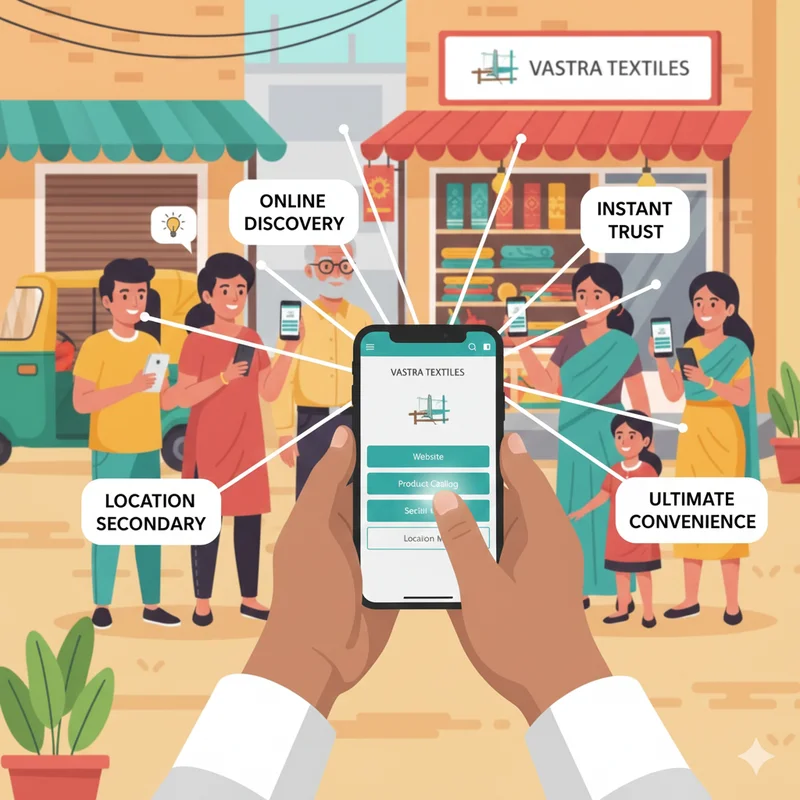
Platforms like LocalShouts (https://www.localshouts.com) allow you to share your story with nearby audiences, building trust and recognition in your local market.
3. Use Visuals Effectively
Humans process visuals faster than text. Strong visuals enhance storytelling:
- High-quality photos of products, staff, or events
- Short videos or reels for social media
- Infographics explaining processes, tips, or trends
Visual storytelling improves recall and engagement far more than static ads.
4. Incorporate Customer Stories
Nothing is more powerful than a satisfied customer’s experience:
- Showcase testimonials in posts or videos
- Encourage customers to share stories using branded hashtags
- Feature user-generated content on social media or LocalShouts
Customer stories humanize your brand and make it relatable to potential buyers.
5. Educate and Entertain
Digital storytelling doesn’t always have to sell. Content that educates or entertains builds authority and loyalty:
- Tutorials, tips, or DIY guides
- Fun behind-the-scenes content
- Local culture or festival-themed posts
An eco-friendly boutique might post DIY upcycling tips or sustainability stories, connecting with environmentally conscious customers.
6. Leverage Local Platforms for Amplification
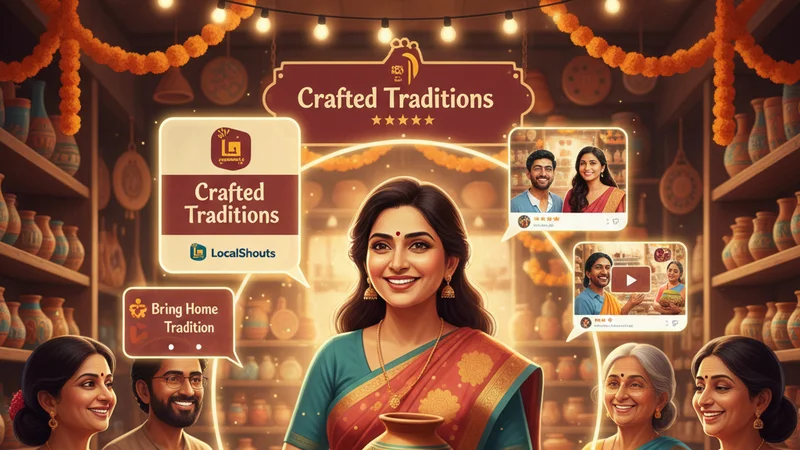
Local platforms like LocalShouts (https://www.localshouts.com) help amplify digital storytelling:
- Share your stories with nearby audiences actively searching for products or services
- Promote local events, workshops, or special offer
- Collect reviews and testimonials to enhance credibility
Combining storytelling with hyperlocal promotion ensures maximum impact and relevance.
7. Repurpose and Extend Stories
One story can be used in multiple ways:
- Blog post → social media snippets → email newsletter → LocalShouts update
- Video testimonials → reels → highlight posts
- Behind-the-scenes photos → carousel posts
Repurposing content increases reach, visibility, and engagement without additional costs.
Examples of Successful Digital Storytelling for Small Businesses
- Bakery in Delhi: Posts short reels of baking processes, ingredient sourcing, and customer celebrations, creating emotional engagement.
- Fitness Studio in Noida: Shares client transformation stories and workout tutorials, positioning the brand as an expert and community-focused.
- Boutique in Faridabad: Features local festival styling tips and customer experiences on LocalShouts (https://www.localshouts.com), boosting local visibility and sales.
These examples show that storytelling connects, engages, and converts, while traditional ads often fail to evoke the same emotional response.
Conclusion
Digital storytelling is a powerful, cost-effective way for small and micro businesses in India to build brand awareness, trust, and loyalty in 2025. By sharing authentic narratives, showcasing customer experiences, and engaging with the local community, businesses can achieve results far beyond what traditional ads can offer.
Platforms like LocalShouts (https://www.localshouts.com) enable small businesses to amplify their stories, reach nearby customers, and build a strong local presence without heavy spending.
In the modern marketplace, storytelling doesn’t just sell products — it creates connections, inspires loyalty, and grows brands sustainably. Small businesses that invest in digital storytelling today will reap long-term rewards, standing out in their communities and thriving in an increasingly digital world.
FAQs
1. What is digital storytelling?
Digital storytelling uses online content like videos, blogs, and social media posts to convey a brand’s message through narratives that engage and connect with audiences.
2. How does it differ from traditional advertising?
Unlike traditional ads, digital storytelling focuses on engagement, authenticity, and emotional connection rather than simply promoting products.
3. Can small businesses benefit from digital storytelling?
Absolutely. It’s cost-effective, builds trust, fosters loyalty, and can be amplified locally through platforms like LocalShouts.
4. What types of content work best for digital storytelling?
Videos, social media posts, blogs, infographics, behind-the-scenes content, and customer testimonials work effectively.
5. How can LocalShouts help amplify stories?
LocalShouts connects businesses with nearby audiences, promotes posts, events, and offers, and helps build credibility through reviews and local engagement.
6. Does digital storytelling drive sales?
Yes. By building trust, authority, and engagement, storytelling influences purchase decisions and encourages repeat business.