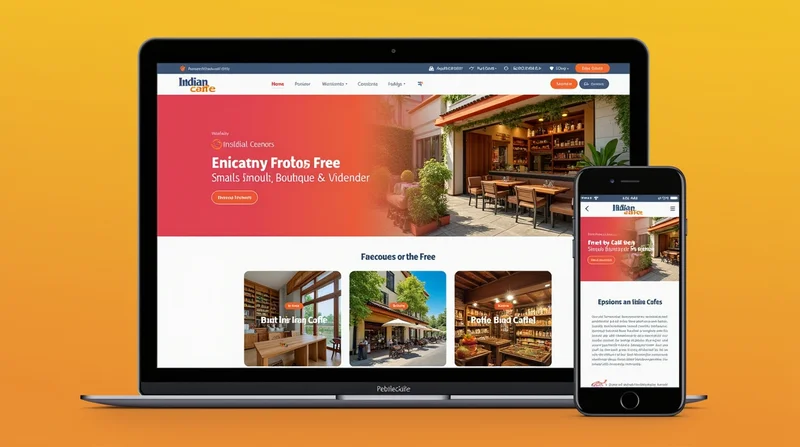
In today’s digital-first world, small businesses in India need more than just a basic website to stay competitive. A website with just a home page and contact information is like a shop with closed shutters—it exists, but it doesn’t invite people in.
This is where blogs come in. Blogging is one of the simplest, most cost-effective ways to bring life to your website, connect with potential customers, and build a strong online presence.
In this article, we’ll explore why blogs matter for small businesses, how they attract customers, and how you can start blogging without spending a fortune or hiring a full-time content writer.
Why Blogs Matter for Small Business Websites
A blog is more than just a place to share articles. It is a customer education and trust-building tool.
Here’s why blogs are valuable:
- They attract new visitors: Every blog post is a chance to appear in Google search results and bring in new customers.
- They build credibility: sharing useful information shows you know your business well.
- They keep your website fresh: A regularly updated blog tells both customers and search engines that your business is active.
- They increase engagement: Blogs give people something to share on social media or forward to friends.
How Blogs Help with SEO
Search engines like Google love fresh, helpful content. When you publish blogs regularly, you create more chances to rank for keywords related to your products or services.
For example, if you run a bakery in Pune and write a blog titled “5 Tips for Choosing the Perfect Birthday Cake,” people searching for birthday cake tips may discover your site—even if they didn’t know your bakery existed before.
This means more visitors, more brand awareness, and more potential customers walking into your shop.
Building Customer Trust with Blogs
A blog allows you to showcase your knowledge and experience. Customers trust businesses that educate them rather than just selling to them.
Here’s how blogs build trust:
- Answer common questions: “How to choose the right tailoring fabric” or “Best ways to store spices at home.”
- Share behind-the-scenes stories: Customers love knowing how you make your products or where you source your ingredients.
- Show expertise: Helpful tips position you as a professional who understands your field.
When customers trust your expertise, they are more likely to buy from you—even if your prices are slightly higher than competitors.
Using Blogs to Showcase Your Products and Services
Your blog can subtly promote your products without sounding too salesy.
Examples:
- A salon can write “Top 5 Hair Care Tips for Monsoon Season” and suggest services that help fight frizz.
- A kirana store can write “Healthy Breakfast Ideas Using Everyday Ingredients” and feature items available in-store.
- A local gym can post “Beginner’s Guide to Strength Training” and link to its membership plans.
These posts provide value to readers while naturally leading them to consider your products or services.
Driving Social Media Traffic Through Blogs
Every blog post gives you something new to share on social media. Instead of only posting product photos or discounts, you can share helpful tips that spark engagement.
For example:
- A pet store writes a blog about “5 Homemade Dog Treat Recipes.”
- They share the post on Instagram and Facebook.
- Pet owners click the link to read it—and may end up shopping for ingredients at the same store.
Blogs keep your social media fresh and prevent it from looking too promotional.
Real-Life Example
A boutique clothing store in Delhi started publishing one blog post per week about fashion tips, style guides, and festival outfit ideas.
Within six months:
- Their website traffic doubled.
- Customers started coming to the store saying, “I read your blog on wedding outfit trends!”
- They saw a 20% increase in online orders through their website.
This is the power of regular blogging for small businesses.
How to Start a Blog for Your Business
You don’t need a full-time writer or a big budget to start blogging. Here’s a simple plan:
Choose a Blogging Platform
If you already have a website, ask your developer to add a “Blog” section. If you don’t have a website yet, you can list your business on LocalShouts (https://www.localshouts.com) and then consider a simple website with blogging features.
Plan Your Topics
Think about what your customers want to know:
Write Simple, Helpful Content
Your blogs don’t have to be perfect or fancy. Keep them short, clear, and easy to read. Aim for 500–800 words per post.
Use Keywords Naturally
Mention your location and product type naturally in your content. Example: “Our Pune bakery” or “Delhi-based yoga classes.”
Promote Your Blogs
Share them on WhatsApp, Instagram, and Facebook. Add links to your email signature.
Blogs as a Long-Term Investment
Unlike ads that stop working when you stop paying, blogs continue to bring visitors for months or even years after they are published.
This makes blogging one of the most cost-effective marketing strategies for small businesses—especially if you are just getting started online.
How LocalShouts Helps
If you are not ready to invest in a full website, a listing on LocalShouts (https://www.localshouts.com) can help you get discovered online. You can link your blogs or social media posts directly from your LocalShouts profile—giving customers more ways to engage with your business.
Later, when you do create a full website, your blogs will already have a head start in attracting visitors.
Conclusion
Blogs are a powerful tool for small business owners. They help you get found online, build trust, engage with your audience, and promote your products naturally.
Starting a blog doesn’t require a big budget—just consistency and a focus on helping your customers. With time, blogging can turn your website into a lead-generating machine and your business into a trusted local brand.
FAQs
1. How often should a small business post blogs?
Once a week is ideal, but even twice a month can make a big difference if you stay consistent.
2. Do blogs really bring in customers?
Yes. Blogs attract visitors through Google search, social media, and word-of-mouth, many of whom turn into paying customers.
3. What should I write about if I run out of ideas?
Answer common customer questions, share seasonal tips, or write about trends in your industry.
4. Can I hire someone to write my blogs?
Yes. Many freelancers and agencies offer affordable blog-writing services if you don’t have time to write.
5. Do I need a website to have a blog?
Yes, but you can start small. Platforms like WordPress, Wix, and Shopify make it easy. Or start with a listing on LocalShouts (https://www.localshouts.com) and upgrade later.
6. How long does it take to see results from blogging?
Usually 3–6 months, but blogs continue bringing traffic for years if they are helpful and relevant.