Running a small business in India can feel overwhelming. From managing daily operations to handling customers and suppliers, marketing often takes a back seat. Yet, without a clear plan, even the best products and services may go unnoticed.
This is where a simple marketing plan becomes essential. It doesn’t have to be complex or expensive—even a small shop or micro-business can benefit from having a structured approach to reaching customers.
In this guide, we’ll explore why marketing plans matter, what a simple plan looks like, and practical tips for small businesses to create one that works.
What Is a Marketing Plan?
A marketing plan is a roadmap for how your business communicates with customers and promotes its products or services. It outlines your goals, target audience, strategies, and tactics.
Think of it as a GPS for your business: without it, you may spend money and effort randomly, hoping for results. With it, every action aligns with a clear objective.
Why Small Businesses Need a Marketing Plan
1. Provides Clear Direction
- A marketing plan clarifies who your customers are, where to find them, and how to reach them. This prevents wasted effort on strategies that don’t work for your audience.
2. Helps Allocate Budget Wisely
- Even small budgets can go further when guided by a plan. You can decide how much to spend on social media, local ads, flyers, or online listings like LocalShouts (https://www.localshouts.com).
3. Improves Customer Targeting
- Instead of advertising to everyone, a marketing plan helps you focus on customers most likely to buy your product or service.
4. Tracks Progress and Results
- With a plan, you can measure what works and what doesn’t, adjusting strategies over time. This leads to better ROI for every marketing effort.
5. Builds Consistency
- Consistent messaging builds trust and recognition. A plan ensures that your branding, offers, and communications are uniform across all channels—in-store, social media, and online listings.
Key Components of a Simple Marketing Plan
Even a small business can create a plan with these essential elements:
1. Business Goals
Start by defining what you want to achieve. Examples:
- Increase foot traffic to your shop by 20%.
- Generate 50 new leads per month online.
- Boost repeat customers for your service.
Clear goals make it easier to design focused marketing activities.
2. Target Audience
Identify your ideal customers:
- Age, gender, location, and occupation
- Buying habits and preferences
- Challenges your business solves
The more specific you are, the better your marketing strategies will work.
3. Marketing Channels
Choose where to reach your customers. For small Indian businesses, low-cost channels include:
- Local listings: Google Business Profile, LocalShouts (https://www.localshouts.com)
- Social media: Facebook, Instagram, WhatsApp
- Offline marketing: Flyers, posters, and business cards
Pick channels your audience uses frequently.
4. Marketing Activities and Tactics
List the actions you’ll take to achieve your goals:
- Posting 3 times a week on Instagram
- Sharing WhatsApp promotions during festivals
- Offering referral discounts to loyal customers
- Participating in local events or exhibitions
Even simple, consistent activities can deliver results if aligned with your plan.
5. Budget
Decide how much you can spend monthly or quarterly on marketing. Include both offline and online costs: printing flyers, small ad boosts, or content creation.
6. Metrics and Evaluation
Determine how you’ll track success:
- Number of website visits or LocalShouts inquiries
- Social media engagement (likes, shares, comments)
- Foot traffic or sales from promotions
- Customer feedback and reviews
Regular evaluation helps you improve your plan over time.
Tips for Creating a Marketing Plan That Works
- Keep It Simple—Avoid complex templates. Even a one-page plan with goals, channels, and actions is enough for small businesses.
- Focus on Strengths—Highlight what makes your business unique, whether it’s quality, pricing, or personalized service.
- Prioritize Channels—Don’t try everything at once. Choose the most effective channels for your target audience first.
- Set Realistic Goals—Start small and achievable, then scale up as you see results
- Be Flexible—Marketing is dynamic. Adjust your plan based on customer response and market trends.
How a Marketing Plan Supports Digital Presence
Even offline shops benefit from having a digital presence today:
- Website and Online Listings: Direct customers from offline promotions to your website or LocalShouts (https://www.localshouts.com).
- Social Media Integration: Align your content and promotions across Instagram, WhatsApp, and Facebook.
- Online Tracking: Monitor which activities drive the most inquiries, sales, or visits.
A marketing plan ensures offline and online efforts complement each other, rather than working in isolation.
Real-Life Example
A small bakery in Bangalore created a simple marketing plan:
- Goal: Increase weekend sales by 30%
- Target Audience: Families and young adults within a 5 km radius
- Channels: Instagram, WhatsApp, LocalShouts (https://www.localshouts.com), local flyers
- Tactics:
- Post daily baking stories on Instagram.
- Share WhatsApp messages with weekend offers.
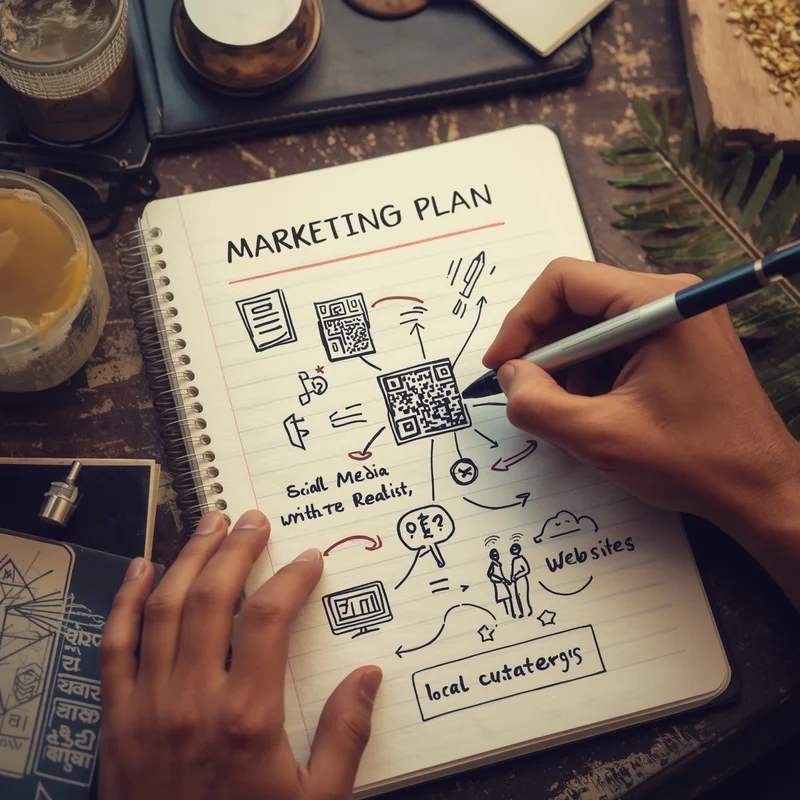
- Include QR codes on flyers linking to their LocalShouts page.
- Budget: ₹2,000 per month for flyers and small ad boosts
- Metrics: Track number of new customers and weekend sales
Result: Weekend sales increased by 35% within two months, demonstrating how a simple plan delivers measurable results.
Conclusion
Every business, big or small, benefits from a simple marketing plan. It provides direction, focuses your efforts, saves money, and ensures consistent messaging across offline and online channels.
For small businesses in India, combining traditional marketing methods with online tools—like LocalShouts (https://www.localshouts.com)—helps reach local customers efficiently. By creating a straightforward plan, monitoring results, and adjusting strategies, even a small shop or service can grow steadily and sustainably.
Remember: a plan doesn’t have to be complicated. Start small, stay consistent, and watch your marketing efforts turn into real business growth.
FAQs
1. How detailed should a small business marketing plan be?
A one-page plan with goals, target audience, channels, and key actions is often enough for small businesses.
2. Can offline businesses benefit from a marketing plan?
Yes. Offline shops can use the plan to coordinate flyers, events, business cards, and online listings like LocalShouts.
3. How often should I update my marketing plan?
Review every 3–6 months to adjust strategies based on results and seasonal trends.
4. Do I need to hire a professional to create a marketing plan?
No. Small businesses can create effective plans themselves by following a simple structure.
5. How does a marketing plan save money?
By focusing on strategies that work and avoiding random spending, a plan ensures better ROI.
6. Can LocalShouts help with a marketing plan?
Yes. Listing your business on LocalShouts (https://www.localshouts.com) helps you connect with local customers and track responses, complementing your marketing plan.