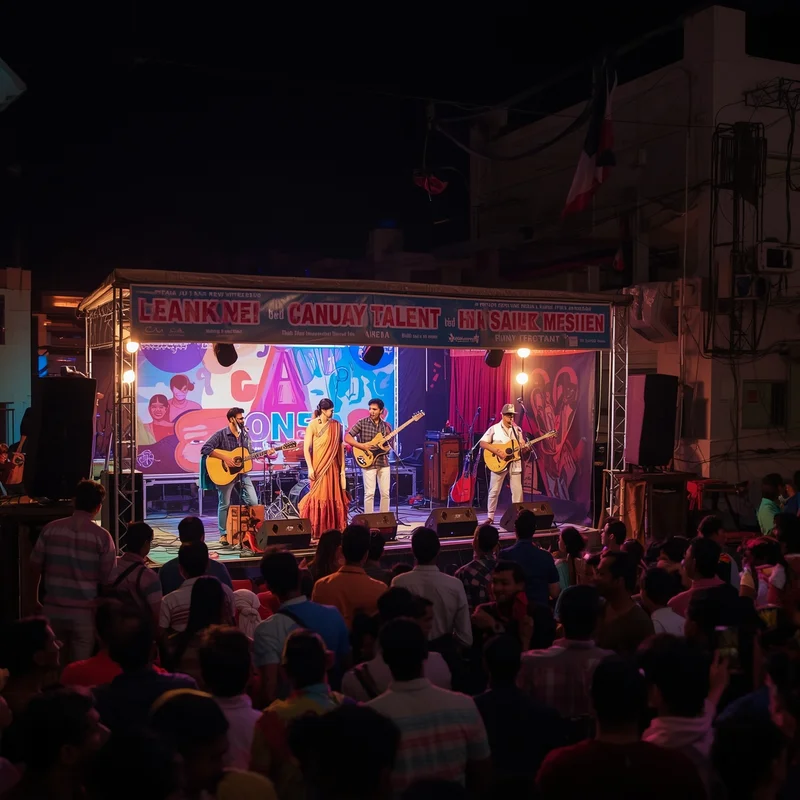
Local musicians and performers are the heartbeat of any city’s cultural scene. Whether it’s a soulful band at a café, a street performer at a festival, or a local dancer lighting up a community event—these artists create experiences that bring people together.
If you’re an event organizer, business owner, or community leader, collaborating with local talent can make your events more vibrant, relatable, and memorable. Engaging with them not only enhances the atmosphere but also supports your local creative economy.
In this guide, we’ll explore practical ways to find, connect, and collaborate with local musicians and performers—and how platforms like LocalShouts (https://www.localshouts.com) can make the process simpler.
Why Collaborate with Local Musicians and Performers?
Local artists bring authenticity and energy that large-scale or commercial acts often can’t replicate. Their performances reflect the local flavor, language, and rhythm of your community.
Benefits include:
- Creating a local identity: Events feel more personal and connected to the city’s culture.
- Supporting local talent: You help artists gain exposure and opportunities.
- Increasing engagement: Live performances attract larger crowds and longer visits.
- Strengthening community ties: Residents feel proud seeing their local artists perform.
Working with local performers is more than entertainment—it’s an investment in community spirit.
1. Identify the Type of Performers You Need
The first step is understanding what kind of performances best fit your event.
For example:
- Live music: Bands, solo singers, instrumentalists, or DJs for cafés, fairs, or open mics.
- Cultural performances: Folk dancers, theater groups, or classical musicians for heritage events.
- Street performances: Jugglers, magicians, or spoken-word artists for festivals or public gatherings.
- Interactive acts: Storytellers or comedy performers who engage directly with the audience.
Clearly defining your event’s theme will help you choose the right type of local talent to collaborate with.
2. Find Local Artists and Musicians
Discovering performers in your area is easier than ever thanks to community networks and digital tools.
Here’s where to look:
- LocalShouts (https://www.localshouts.com): A dedicated platform where you can find musicians, performers, and event collaborators nearby.
- Open mic nights or jam sessions: Great for scouting rising talent.
- Music schools or dance academies: Many students and instructors are eager for live performance opportunities.
- Social media groups: Local Facebook or WhatsApp groups often share details of performers.
- Community centers or art collectives: They frequently host small-scale cultural events with local talent.
Keep a running list of artists who fit different event themes—it helps build a ready network for future collaborations.
3. Reach Out Professionally
When reaching out to musicians or performers, be clear, respectful, and transparent. Artists appreciate when organizers value their time and talent.
Include the following in your message:
- Event date, theme, and location
- Expected audience size
- Type and duration of performance
- Budget or compensation (be upfront if it’s a voluntary gig)
- Technical setup (sound, lighting, stage)
You can easily connect and send collaboration requests through LocalShouts, making it simpler to discuss event details and finalize agreements.
4. Offer Fair Compensation and Exposure
While exposure is valuable, performers should also feel fairly compensated for their work.
Options for rewarding artists:
- Performance fees or stipends
- Food and transport allowances
- Promotion through your event’s social media and website
- Merchandise stalls or tip jars for direct audience support
When possible, combine both financial and promotional benefits—it strengthens relationships and encourages more artists to work with you again.
5. Coordinate Technical Requirements Early
Musicians and performers often need specific setups to deliver their best performance.
Check for:
- Sound systems and microphones
- Lighting arrangements
- Stage space or performance area
- Power sources and backup equipment
- On-site rehearsal or soundcheck slots
Ensure the venue has what they need, or coordinate rentals if required. Communicating technical details early avoids last-minute stress.
6. Create a Supportive Environment
Artists perform best when they feel respected and valued. On the event day, make sure your team offers a welcoming and organized experience.
Simple gestures that go a long way:
- Provide a designated green room or rest area.
- Offer refreshments and water.
- Introduce performers properly before their act.
- Thank them publicly at the end of their set.
A little hospitality makes a lasting impression—and ensures they’ll happily work with you in the future.
7. Promote the Performers Along with the Event
Promotion should highlight both your event and the artists involved.
How to promote effectively:
- Tag artists in all social media posts and flyers.
- Create short videos or teasers featuring rehearsal clips.
- Write a spotlight post introducing each performer.
- Use platforms like LocalShouts to reach local music and art enthusiasts.
When you amplify their visibility, you also grow your audience—people often attend events to support artists they already follow.
8. Encourage Audience Interaction
The best events create moments of connection between performers and attendees.
Ideas for engagement:
- Include a Q&A session after performances.
- Host open mic or jam segments where the audience can participate.
- Set up a “Meet the Artists” corner for photos and conversations.
- Encourage social media tagging and live sharing using event hashtags.
This kind of interactivity boosts energy, online visibility, and overall event satisfaction.
9. Collect Feedback and Build Relationships
After the event, always follow up with the performers. Thank them personally and gather feedback about their experience.
Ways to nurture relationships:
- Send a thank-you email or social media mention.
- Share photos and videos of their performance.
- Ask for testimonials or collaboration ideas for future events.
- Keep their contact details for upcoming opportunities.
Local artists thrive when they feel part of a long-term community of organizers—and that’s exactly what LocalShouts helps foster.
10. Feature Local Talent Regularly
One event is a start—but consistent engagement builds real community culture.
Ideas for recurring collaborations:
- Monthly open-mic nights
- Weekend live music at cafés or markets
- Annual cultural showcases
- Artist of the month programs
When local performers become a staple of your events, your brand or venue becomes known for supporting homegrown talent—a powerful reputation that draws loyal audiences.
Conclusion
Collaborating with local musicians and performers adds soul and energy to your events. It’s a partnership that benefits everyone—artists gain recognition, audiences enjoy authentic entertainment, and communities grow closer.
Platforms like LocalShouts (https://www.localshouts.com) make discovering and engaging with local talent seamless. By promoting collaboration, transparency, and mutual support, you can help build a stronger creative ecosystem in your city.
When music meets community, every event becomes more than just a gathering—it becomes a celebration of local culture and connection.
FAQs
1. How can I find local musicians and performers for my event?
You can discover and contact local talent easily through LocalShouts, open mic nights, music schools, and community social media groups.
2. What’s the best way to approach performers?
Reach out with a clear event proposal, including details on timing, setup, audience size, and compensation.
3. How should I compensate artists?
Offer a mix of monetary payment, promotion, and opportunities for merchandise sales or tips.
4. How can I promote performers effectively?
Feature them in your event promotions, tag them on social media, and create short video introductions.
5. What technical setups do musicians usually need?
They may need sound systems, microphones, lighting, and space for equipment setup or rehearsals.
6. How can LocalShouts help?
LocalShouts connects you directly with nearby artists, event collaborators, and audiences, helping you organize events with ease and visibility.