Introduction
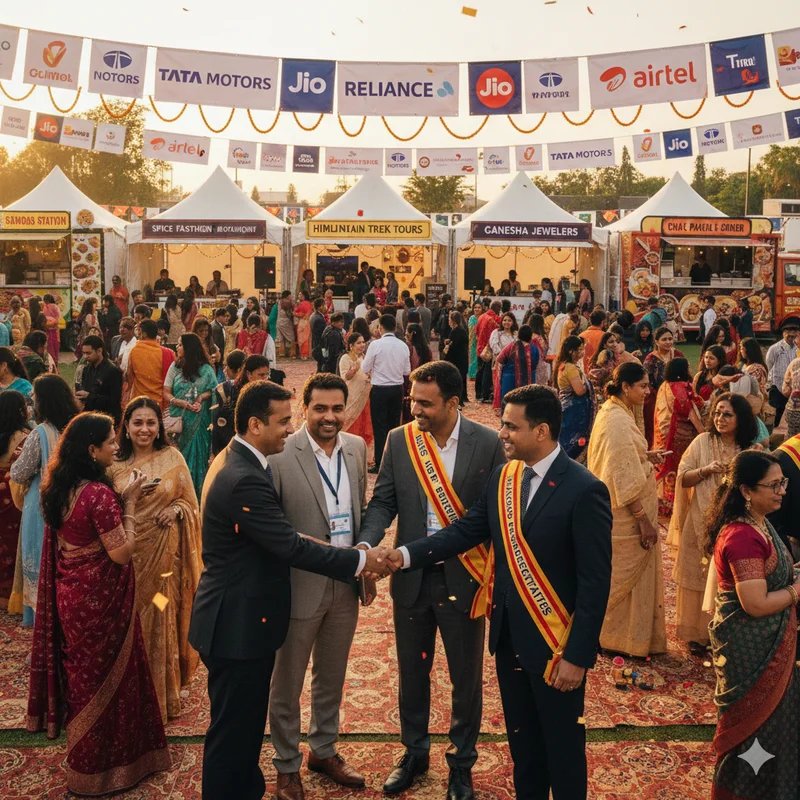
Often behind every incredible local event—be it a food festival, cultural event, art show, or pop-up business fair—a sponsor is there who funds the event in whole or in part. Sponsorships represent the finances and strategy that distinguishes most successful community events. Sponsors not only provide funding but they also provide credibility, visibility, and resources that can mean the difference in some cases between average, and an event that leaves a lasting impression.
In India, as local and microbusinesses are exploding, sponsorships can represent a pivotal way to transform small events into larger scale community experiences. Whether you are organizing a community talent show, or a regional trade fair, knowing how to secure the right sponsor is crucial.
However, for many local event organizers, securing sponsors is very intimidating. How do you even know who to ask? What are you going to offer? And how do you entice a sponsor to respond to your proposals?
We'll unpack the whole process- attracting sponsors and working with sponsors- for your local community events. And we'll explore how organizations like LocalShouts (https://www.localshouts.com), can help you generate, showcase your event, and connect with sponsors who want to sponsor community driven events.
Understanding Event Sponsorship
Event sponsorship is a partnership between your event and a brand or business. In this relationship, the sponsor provides financial or material support in exchange for marketing exposure, audience engagement, or community goodwill.
For example, a local café might sponsor your art exhibition by offering free refreshments, or a small tech firm might pay for your event banners in exchange for logo placement and mentions. The key is to create mutual value—your event gains resources, while the sponsor gains visibility and trust among local audiences.
There are various types of sponsorships you can offer:
- Financial Sponsorship: The sponsor provides money to fund your event.
- In-Kind Sponsorship: The sponsor provides goods or services instead of money (e.g., catering, printing, lighting).
- Media Sponsorship: Local newspapers, radio stations, or influencers promote your event in exchange for branding opportunities.
- Venue Sponsorship: A business offers its premises or infrastructure for free or at a discount.
Understanding these categories helps you approach sponsors with clear, customized proposals based on what your event needs most.
Step 1: Define Your Event Value and Audience
Before reaching out to sponsors, you need to clearly understand your event’s value proposition. Ask yourself:
- Who is my target audience?
- What type of brands would want to reach them?
- What unique experiences or visibility can I offer sponsors?
For instance, if you’re hosting a youth music festival, brands targeting young audiences—like beverage companies, fashion startups, or digital accessories—will be more interested. Similarly, a local trade fair might attract sponsors like printing shops, logistics companies, or regional banks.
Sponsors invest in visibility and engagement, not just the event itself. So the more you can define your audience size, demographic, and interests, the easier it is to convince sponsors that your event aligns with their marketing goals.
You can also use LocalShouts (https://www.localshouts.com) to publish your event and get early traction. The platform helps you showcase audience reach and community interest, which adds credibility when approaching potential sponsors.
Step 2: Identify Potential Sponsors
Once you’ve defined your audience, the next step is to list potential sponsors who share your event’s values or benefit from its audience.
Here’s how to start:
- Research local businesses: Look for brands that have supported community activities in your area—restaurants, fitness studios, banks, or educational institutions.
- Check competitors’ sponsors: If a similar event in your city had sponsors, note who they were and reach out.
- Approach media and digital companies: Local radio stations, news outlets, and online platforms often sponsor community events for visibility.
- Reach out to regional branches of larger brands: Even national brands have local outreach budgets for community involvement.
- Use LinkedIn or business directories: Identify marketing managers or CSR heads of companies interested in community impact.
Make a list of at least 20–30 potential sponsors. Categorize them by priority—high, medium, or low—based on their relevance and budget potential.
Step 3: Design an Attractive Sponsorship Proposal
Your proposal is your first impression. It should be professional, visually appealing, and clearly communicate what sponsors gain from partnering with you.
Here’s what to include in your sponsorship proposal:
- Event Overview: Briefly describe the event, theme, and objectives.
- Target Audience: Provide demographic insights, expected footfall, and engagement levels.
- Sponsorship Tiers: Offer multiple packages (e.g., Gold, Silver, Bronze) with different benefits like logo placement, stage mentions, or booth space.
- Marketing Exposure: Explain where and how the sponsor’s brand will be featured (banners, website, social media, press, LocalShouts page, etc.).
- Past Success Stories: If you’ve organized events before, include photos, testimonials, or statistics.
- Contact Information: Make it easy for sponsors to reach you for questions or negotiations.
Keep your proposal concise—ideally 3 to 5 pages—but rich in visuals and data. A well-structured proposal increases your chances of getting positive responses.
Step 4: Offer Clear Sponsorship Packages
Sponsors appreciate clarity. Instead of offering one generic deal, provide tiered sponsorship options that fit different budgets.
Here’s a sample structure:
- Platinum Sponsor (₹1,00,000): Logo on all marketing materials, stall space, speaking opportunity, and exclusive media coverage.
- Gold Sponsor (₹50,000): Logo on stage banners, mentions in social media, and a booth at the event.
- Silver Sponsor (₹25,000): Logo on flyers and event website, inclusion in LocalShouts listing.
- In-Kind Sponsor: Provide goods or services in return for acknowledgment in event promotions.
Offering flexibility ensures that even small businesses can participate, which builds community partnerships while securing multiple revenue streams.
Step 5: Create Relationships, Not Just Transactions
Finding a sponsor who is in alignment with your mission and vision for your event can have long-term benefits. If you approach the partnership as a "one-off" arrangement you may miss out on future working relationships with the brand.
Here are a few ideas to deepen the relationship with your sponsors:
1. Meet in-person or via video call to discuss ideas for meaningful collaboration.
2. Understand the brand's goal for sponsorship—awareness, sales, community outreach— and shape your proposal with that knowledge.
3. Have open, collaborative communication throughout the planning, execution and follow-up reporting.
4. Report back on audience feedback and engagement stats following the event.
Your sponsors will be more inclined to partner with you again if they know you value their partnership and they can see their investment yielded results.
Step 6: Promote Your Sponsors
A strong partner trust is built on delivering agreed sponsorship commitments. Ensure your sponsors receive the promised level of visibility before, during, and after the event.
Below are several ideas for recognizing sponsorship in a meaningful, relevant, and attractive manner:
1. Visibly display the company's branding on all relevant event products— post the company's logo on social media, your event registration, signage including posters and pop-up banners.
2. Recognize sponsors in promotional announcements, press releases, and on-stage as part of opening/closing announcements to your participants.
3. Encourage the brand to sell products or display products in designated areas at the event.
4. Tag the brand in their profiles on LocalShout (https://www.localshouts.com) and your social media channels. Increase visibility if possible.
5. Thank the sponsor during your program, or share video highlights that spotlight the impact of the sponsorship offering.
The more visible and engaged sponsors feel, the more likely they are to renew or expand their support for your future events.
Step 7: Leverage LocalShouts to Connect with Sponsors
LocalShouts (https://www.localshouts.com) is an excellent platform to bridge the gap between event organizers and sponsors. By listing your event on LocalShouts, you can showcase your event’s purpose, target audience, and engagement potential to local brands who are actively looking for promotional opportunities.
Benefits of using LocalShouts for sponsorship outreach:
- Wider visibility: Sponsors can discover your event organically through the platform.
- Local credibility: Being listed on a verified local platform builds trust.
- Collaborations: Connect with vendors, volunteers, and local influencers.
- Promotion tools: Share event details, photos, and updates with ease.
For micro and small business organizers, LocalShouts offers a professional way to attract sponsors without needing a huge marketing budget.
Step 8: Emphasize Community and Social Impacts
One thing sponsors love to see is an event that positively impacts society. Whether your event champions sustainability, supports local artisans, empowers youth, or advocates for education, make sure you include information on the social impact.
For example:
- “Your brand is supporting over 50 local artisans by sponsoring this event.”
- “This event also serves to promote sustainable tourism in rural towns.”
- “Partnering with us helps develop the skills of at-risk youth.”
Conveying social and community impact develops an emotional connection that more modern sponsors value immensely.
Step 9: Communicate After the Event
When your event is finished and over, do not ghost on your sponsors. Following-up is very important in maintaining relationships and growth for future sponsorship dollars.
- Goal: Personalize a thank-you letter or email to each sponsor.
- Goal: Provide some highlights on the event—including photos, attendance numbers, or social media stats.
- Goal: Right after the event is finished, issue a full report specifically detailing brand exposure, brand mentions, and brand engagement.
- Goal: Provide a sneak-peak or descriptions of your next planned event, including sponsorship options.
Sponsors appreciate and trust data, and consistent communication shows you respect their investment as well as your professionalism.
Step 10: Build Long-Term Sponsorship Programs
The goal isn’t just to find sponsors for one event but to build ongoing partnerships that evolve with your brand.
Consider creating a “Community Partner Program” where loyal sponsors get year-round visibility through all your events or digital promotions on LocalShouts (https://www.localshouts.com). This approach creates predictability for you and lasting value for them.
You can also feature your sponsors on newsletters, social media collaborations, and local media articles to strengthen their engagement and brand recall.
Common Mistakes to Avoid When Attracting Sponsors
Even the best events can struggle with sponsorship if organizers make avoidable errors. Watch out for these common pitfalls:
- Generic proposals that don’t address sponsor goals.
- Poor communication or late responses to inquiries.
- Overpromising and underdelivering on visibility.
- Ignoring smaller sponsors who could become long-term partners.
- Lack of post-event reporting or feedback sharing.
Avoiding these mistakes ensures your sponsors feel appreciated and confident in continuing their partnership.
Conclusion
Attracting sponsors for local events isn’t just about money—it’s about creating meaningful partnerships that strengthen your community and give local businesses a platform to grow together. When done right, sponsorships turn ordinary events into unforgettable experiences with real impact.
By combining thoughtful outreach, strong communication, and digital visibility through platforms like LocalShouts (https://www.localshouts.com), even small event organizers can secure the support they need to thrive.
Remember, sponsorship is not just funding—it’s collaboration. Build trust, deliver value, and your sponsors will become your strongest supporters in every event you organize.
FAQs
1. Why do local events need sponsors?
Sponsors provide financial or material support that helps organizers manage event costs, improve quality, and increase promotional reach.
2. How can small businesses attract big sponsors?
Focus on your event’s audience value, create professional proposals, and use online platforms like LocalShouts to increase visibility and credibility.
3. What can you offer sponsors besides logo placement?
Offer creative benefits like on-stage mentions, social media campaigns, product demos, or exclusive booths.
4. How soon should I approach potential sponsors?
Ideally, reach out 2–3 months before your event to allow time for discussions, agreements, and planning.
5. Can in-kind sponsorships be as valuable as financial ones?
Absolutely. Services like free catering, printing, or media promotion can significantly reduce your event expenses.
6. How does LocalShouts help with sponsorships?
LocalShouts connects event organizers with local brands, increases online visibility, and helps sponsors discover relevant community events to support.


